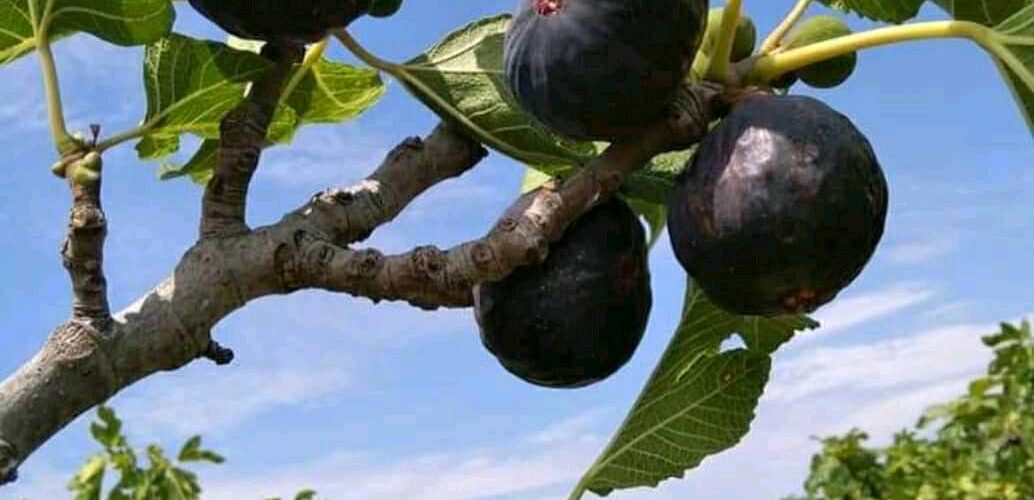
A fig is not just any fruit, in fact, it is not even a fruit. Strictly speaking, figs are inverted flowers. Fig trees do not flower in the same way as other fruit trees such as almond or cherry trees.
Figs have a very interesting history. First, they are not technically a fruit, but rather an infructescence (a set of fruits). Second, they need the intervention of a wasp to reproduce, which dies inside the fig.
Simply put, figs are inverted flowers that bloom inside a dark bud with reddish tones. Each flower produces a nut and a seed called an “achene.” The fig is made up of several achenes, which give it its characteristic crunchy texture.
So, when we eat a fig, we are actually eating hundreds of small fruits. The most surprising thing is the special pollination process that fig tree flowers need to reproduce. They cannot depend on the wind or bees to bring pollen like other fruits; They need a specific species of wasps, known as fig wasps. These insects transport their genetic material and allow the figs to reproduce. In turn, the wasps depend on the figs to deposit their larvae, creating a relationship of symbiosis or mutualism.
Today, most fig growers no longer require wasps for pollination. Most of the varieties of figs that we consume are parthenogenetic, that is, they can produce fruit without the need for a pollinator.
Let’s encourage curiosity and learning!