
If you received a Phalaenopsis orchid for Valentine’s Day, its flowering cycle is most likely already over. However, just because you don’t see anything happening doesn’t mean your plant is dead. Don’t throw it away! When all the flowers have fallen, follow these steps to cause new ones to appear. We reveal the right tips to make an orchid bloom again and enjoy its natural beauty for longer.
Common reasons for lack of flowering and how to fix it to make an orchid flower again
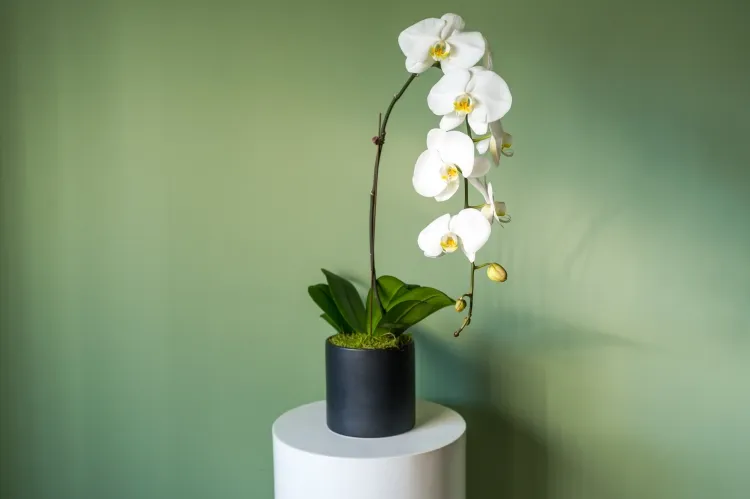
With the exception of some orchids such as Ludisia, home gardeners generally do not grow these plants for their foliage. Indeed, it is frustrating to look at this beautiful plant every day, hoping for flowers that never appear. It is even sadder to see an orchid develop buds that shrivel and fall without ever opening. Fortunately, many of the problems that keep your beauties from thriving can be solved with small steps. So, how to maintain an orchid to stimulate its flowering? We’ll tell you about it!
Lack of light
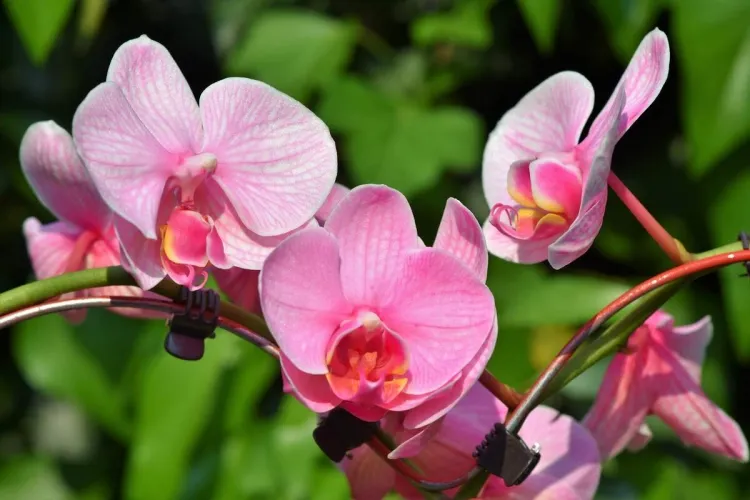
Lack of light is the main reason why orchids refuse to bloom or bloom again. The Dendrobium, Cattleya and Cymbidium varieties like light conditions, but not direct sunlight. If your plant never leaves the darkness of your home or office, you may need a grow light to get flowers.
Too much light
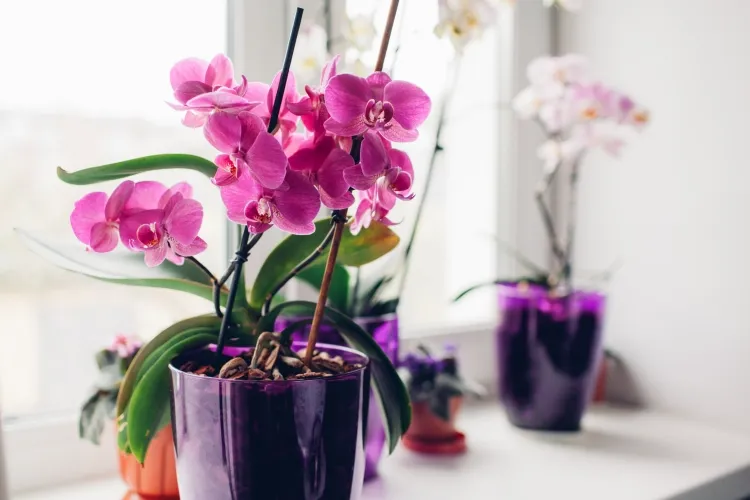
If you’ve placed your orchid in full sun, you may notice severe symptoms such as scorched leaves, but an overabundance of artificial light can also slow flowering. In addition to cooler temperatures in the evenings, the shortening days in autumn can signal an orchid to form buds. If you keep your plant indoors, in a room where the lights are on 24 hours a day, it won’t receive that important natural signal. If using artificial lights, set a timer to simulate the natural light and dark cycle.
Variable temperature
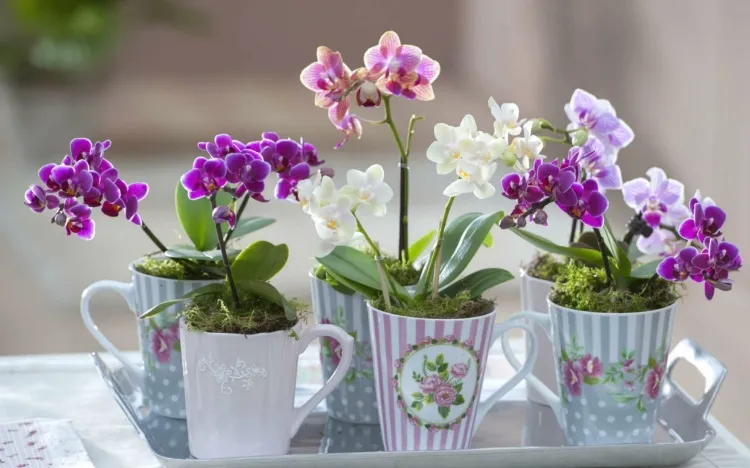
You may know that your orchid, as a tropical plant, prefers warm temperatures. Orchids also need to know a temperature range to trigger flowering. If possible, expose your pots to nighttime temperatures of 10°C for two weeks at the start of the flower season.
How do you get an orchid to bloom again? Need for proper nutrition (fertilizer)
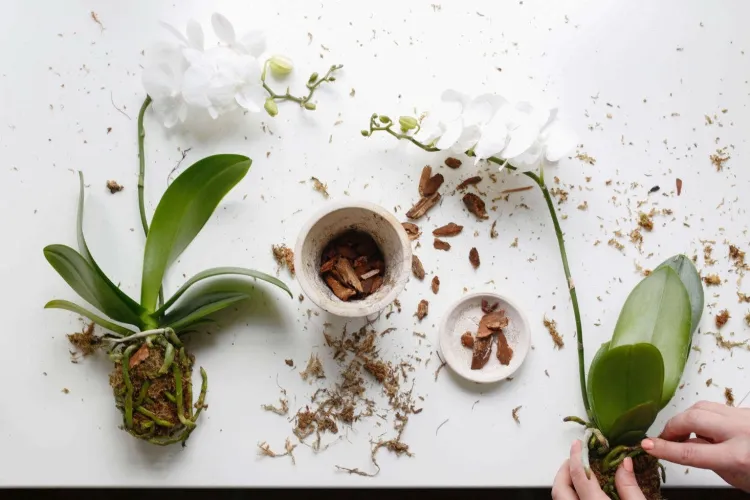
While it’s true that orchids aren’t big eaters, an orchid living in a sterile inorganic mix may need a boost of nutrients to perform at its best. The best type of fertilizer is a urea-free product, which provides nitrogen even in the absence of the activity of microorganisms, which is common in rich garden soils.
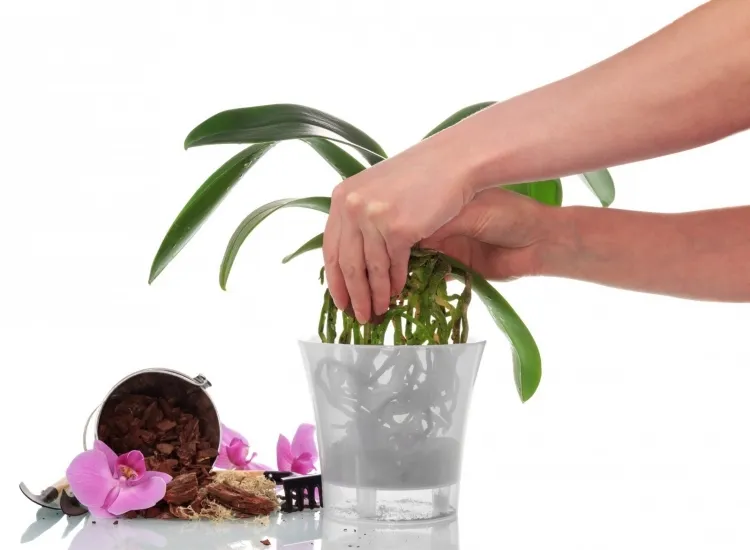
Roots need attention/repotting
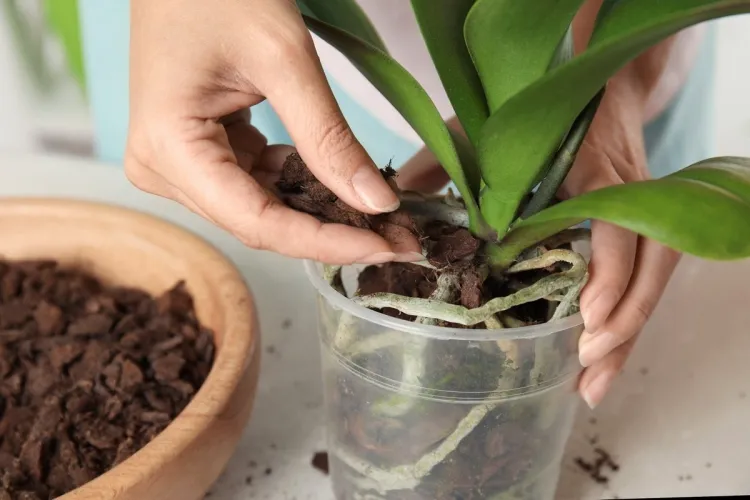
Repotting is a delicate operation for orchid growers. When your flower’s growing medium begins to degrade, the roots can suffocate from lack of oxygen. However, some orchids do not like their root zone being disturbed and refuse to bloom for six months to a year after repotting. Still other orchids prefer to be tied to their roots and only bloom when they seem to be about to be strangled by their pots.
To determine if your plant needs repotting, evaluate the root system, not the foliage. Even good growing media compromise over time, which can prevent vital air from circulating to the roots. If the roots look brown or the planting material resembles garden soil in density, it’s time to transplant. If more than one or two roots are coming out of the pot, it may be time to divide the orchid to maintain blooming vigor.
Overwatering
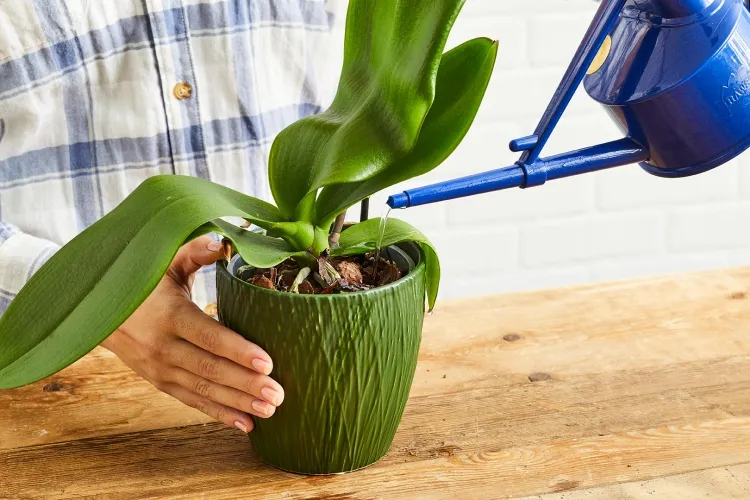
If you give your orchid too much water, the lack of bloom can be the precursor to rapid decline and death of the plant. Orchids about to bloom that receive too much water can lose their buds. Most flowers need to dry out between waterings, and you should never allow them to get wet feet (waterlogged soil in the root zone).
Orchids that grow in the right type of pot with specialized growing medium, rarely suffer from overwatering. Tailor your irrigation schedule to your plant’s growing medium, container size, and environment. If the roots turn brown, you’re overwatering. Wrinkled leaves can be a sign of too little or too much moisture.
Insufficient watering
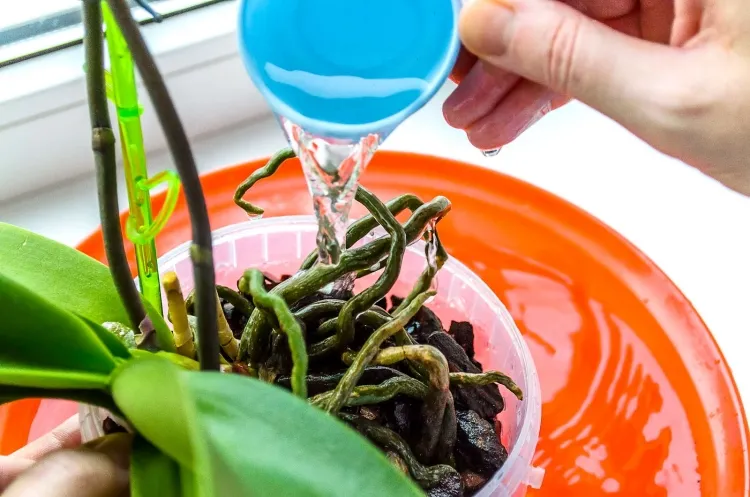
Some orchid growers get desiccation wrong in their well-intentioned efforts to avoid overwatering the plants. Keep in mind that orchids come from humid jungles and are subject to regular downpours. If your flower becomes too dry, the leaves will draw water from the developing buds in an attempt to self-preserve. How sad to see the long-awaited buds turn yellow, shrivel and fall off one by one as the plant rehydrates its roots and leaves. If you forget to water often, use a humidity tray to create a more orchid-friendly growing environment.
Know When Your Orchid Variety Blooms
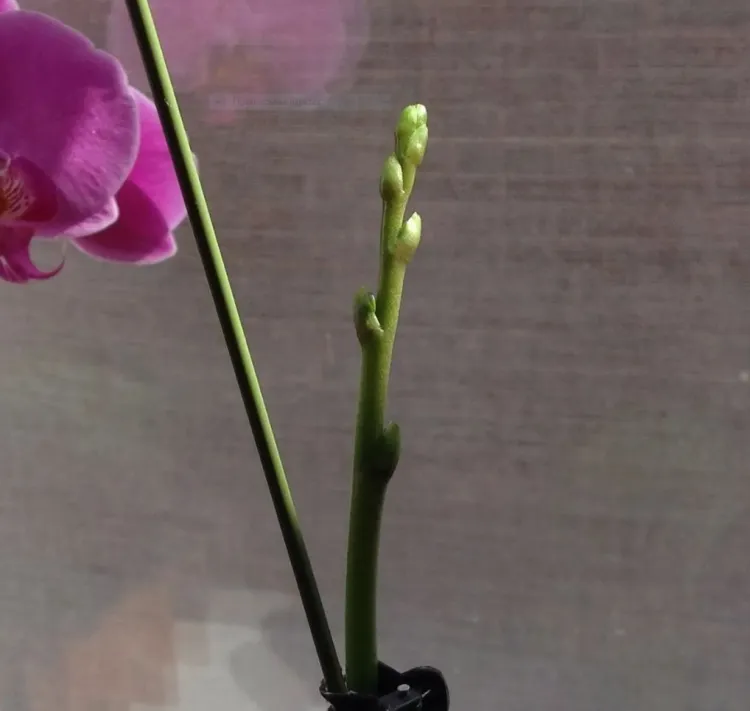
While most of our favorite garden flowers bloom in summer, many orchids bloom in fall, then winter and spring. Purchasing a flowering plant is not necessarily a sign of when it should flower, as growers can cause flowering in the greenhouse by changing light and temperature. Identify your orchid and you can then learn about its natural flowering cycle.
Vanda orchids bloom two to three times a year, with each bloom cycle lasting up to six weeks. In contrast, the very popular cattleya and cymbidium orchids bloom only once a year, but their ease of care makes them popular choices for novice growers.
How to make an orchid bloom again? Steps to follow
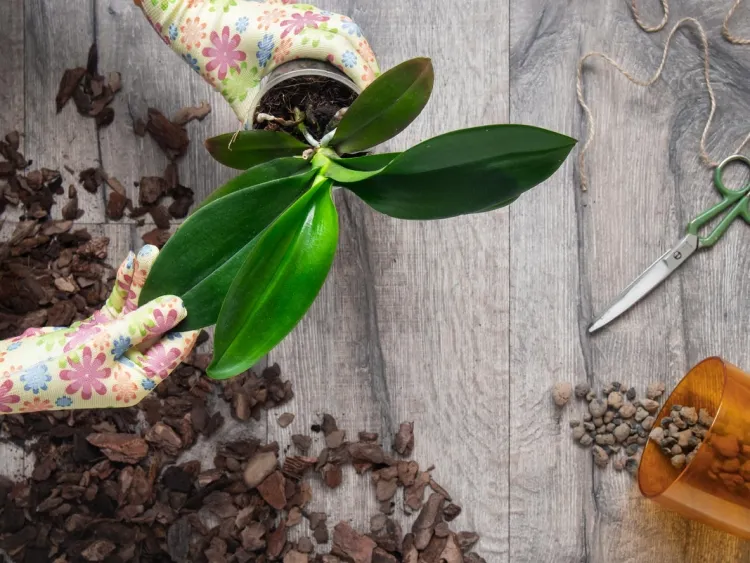
Phalaenopsis orchids are inexpensive and their flowers last for many weeks. Once the flowers have faded, it’s tempting to get rid of the plant, but with a few simple tricks, you can keep an orchid reblooming for years.
Wait until the flowers have fallen
Once your orchid has bloomed and the flowers have fallen off, you are left with a flower stalk. Don’t be tempted to cut it at the base.
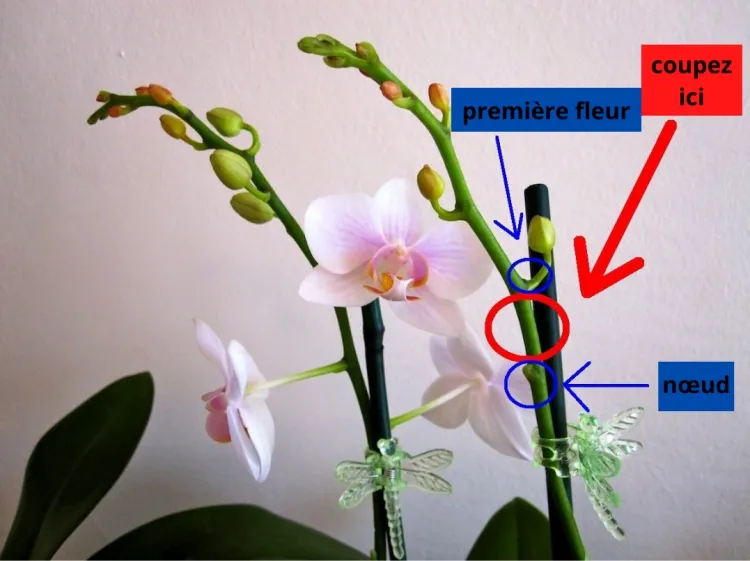
Cut the stem of the nearest button
Instead, once the plant has lost all its flowers, cut the stem just above a visible joint (node). This should increase the production of another flower stalk in the coming months.
You can also cut the spent flower stem at the base
If no shoots appear and the original stem turns pale yellow, remove it at the base. The plant should eventually produce a strong new flower stalk.
Water properly
Overwatering is the most common reason for orchid death. If your shabby orchid has a clear pot, look at the roots. Don’t water if they are green – wait until they are silvery. Allow the water to drain through the bottom of the pot – do not let the plant sit in the water.
Place it in a warm, bright place
Orchids love bright but indirect light: too much direct sunlight will burn the leaves. A location near an east- or west-facing window is ideal. These plants appreciate high humidity, so you can place them on a tray of wet pebbles – the roots absorb moisture from the atmosphere.