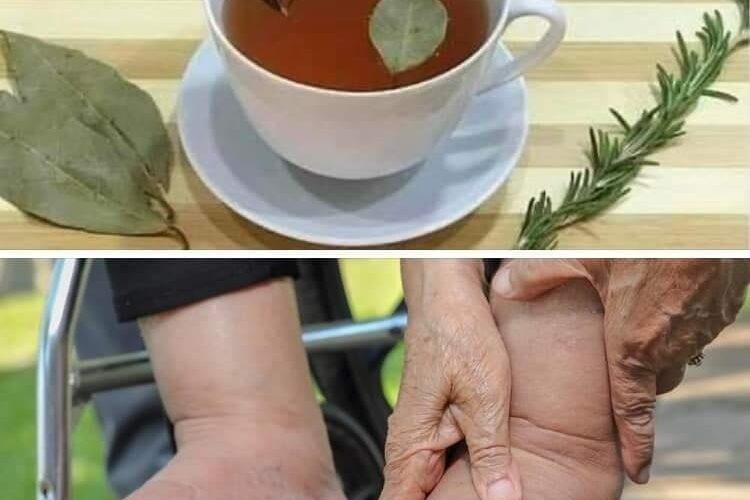
Fluid retention is when the body or some part of it swells because there is excess fluid that is trapped between the cells, and can occur due to staying in the same position for a long time due to a diet rich in salt and sodium, or as a consequence of some diseases.
Generally, fluid retention is not serious, so drinking water, diuretic teas, performing lymphatic drainage and/or practicing physical activity may be enough to eliminate it.
However, some kidney, heart or liver diseases can cause edema, and in these situations the doctor may prescribe the use of diuretic medications to help eliminate excess fluid from the body.
The accumulation of fluids causes swelling, which can be easily noticed by an increase in abdominal and facial volume, however, it usually occurs mainly in the legs, ankles and feet.
One technique to know if you have fluid retention is to press your thumb for 30 seconds on the region near the ankles and then observe if the region remains marked.
In addition to this, the mark of socks on the ankle or the mark of tight clothing on the waist are also indicators that the person is retaining fluids.
TAKE DIURETIC TEA
To combat the accumulation of fluids in the body, it is recommended to drink teas with diuretic effects such as:
PARSLEY TEA
Parsley tea is one of the most popular home remedies to help with fluid retention and, in fact, studies carried out on animals with this plant showed that it is capable of increasing the amount of urine produced
In addition, parsley contains flavonoids which, according to another study, are compounds capable of coupling to adenosine A1 receptors, decreasing the action of that substance and increasing urine production.
INGREDIENTS:
- 1 bunch or 15 g of fresh parsley with stem;
- 1/4 lemon;
- 250 ml of boiling water.
PREPARATION MODE:
Wash and chop the parsley. Then add it to the water and let it sit for 5 to 10 minutes. Finally, strain, let it cool and drink several times a day.
Ideally, parsley tea should not be used by pregnant women, or by people who are under treatment with anticoagulants or other diuretics.
DANDELION TEA
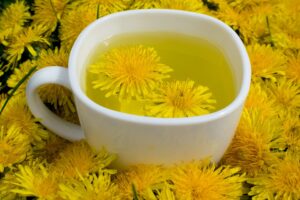
Dandelion is another popular plant that serves to increase urine production and eliminate fluid retention. This plant works as a natural diuretic since it is rich in potassium, a type of mineral that acts on the kidneys by increasing urine production.
INGREDIENTS:
- 15 g of dandelion leaves and roots;
- 250 ml of boiling water.
PREPARATION MODE:
Add the boiling water to a cup and then place the roots and let them rest for 10 minutes. Strain and drink 2 to 3 times a day. The use of this plant should be avoided during pregnancy, as well as in people with bile duct problems or intestinal obstruction.
JAMAICA FLOWER TEA
Consumption of Jamaican flower tea, also known as hibiscus tea, appears to significantly increase the amount of urine produced and, according to a study done in mice, has a similar effect to some synthetic diuretics produced in the laboratory, such as furosemide. and hydrochlorothiazide.
INGREDIENTS:
- 2 tablespoons of dried Jamaica flowers;
- 1 liter of water at the beginning of the boil.
PREPARATION MODE:
Add the Jamaica flower to the hot water and let it rest for 10 minutes, properly covered. Strain and drink throughout the day.
Although it is quite safe, this plant should be avoided during pregnancy and breastfeeding.
DOING PHYSICAL ACTIVITY
Practicing exercises is also an excellent natural way to deflate the body. The contraction of large muscle groups such as arms, legs and buttocks causes excess fluids to be eliminated through urine. For this reason, it is common to feel the urge to urinate after doing 1 hour of exercises at the gym.
DAILY CARE
THE IMPORTANT CARE TO TREAT LIQUID RETENTION ARE:
- Drink water, about 2 liters per day, or tea such as horsetail tea;
- Replace salt to prepare or season food with aromatic herbs such as parsley or oregano, for example;
- Avoid foods such as canned, sausages, smoked foods or others that contain a lot of salt;
- Avoid standing, sitting or cross-legged for long periods of time;
- Eat foods rich in water such as radish, turnip, cauliflower, watermelon, strawberry, melon, pineapple, apple or carrot;
- Increase the consumption of diuretic foods such as watermelon, cucumber or tomato. See what diuretic foods are;
- Perform lymphatic drainage, which is a specific massage to reduce excess fluid in the body;
- Eat foods such as cooked beet leaves, avocado, low-fat yogurt, orange juice or banana because they are foods rich in potassium, which helps reduce salt in the body;
- Elevate your legs above your heart (a pillow can be placed under your knees) at the end of the day.
PERFORM LYMPHATIC DRAINAGE
Lymphatic drainage is an excellent strategy to eliminate excess fluids from the body. It can be done manually as if it were a type of gentle massage with well-marked movements so that it has the expected effect, but it can also be performed with its own electronic equipment to perform mechanical lymphatic drainage, called pressotherapy.
USE DIURETIC MEDICATIONS
Some diuretic medications prescribed by the doctor can also be used to treat edema, some of them are Furosemide, Hydrochlorothiazide or Aldactone.