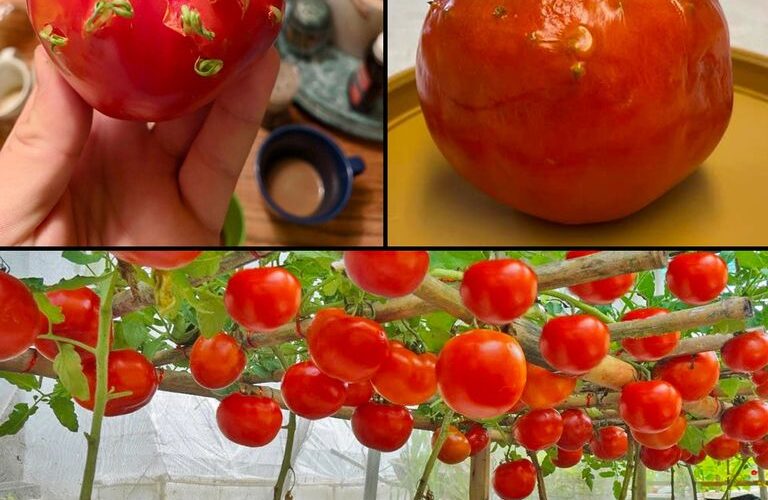
Growing tomatoes at home in bags of soil is a convenient and effective way to enjoy fresh, tasty tomatoes all year round. Whether you have limited space, poor soil quality, or simply want to try a more manageable growing method, this method can be very effective. In this comprehensive guide, we’ll walk you through the steps necessary to grow tomatoes in bags of soil, from choosing the right materials to caring for the plants and harvesting the fruits of your labor.
Materials you will need
- Soil bags: < Choose high-quality, large, well-draining soil bags. You can purchase specific grow bags or use heavy-duty trash bags, making sure they are a minimum size of 5-7 gallons.
- Tomato seeds or seedlings: < Decide whether you want to grow tomatoes from seeds or buy young tomato plants (seedlings) from a nursery.
- Potting soil: < Use a well-draining potting mix that is rich in organic matter. You can also create your mix by combining compost, peat moss, and perlite or vermiculite.
- Planters or stakes for tomatoes: To support tomato plants while they grow and bear fruit.
- Fertilizer: < Choose a balanced, slow-release fertilizer or use organic options such as compost or well-rotted manure.
- Mulch: < Organic mulch, such as straw or shredded leaves, helps retain moisture and suppress weeds.
- Watering can or hose: < To keep your tomato plants adequately hydrated.
Steps to grow tomatoes in soil bags
1. Select the correct location
Tomatoes need a sunny location with at least 6-8 hours of direct sunlight per day. Place the soil bags in an area with good air circulation to avoid disease.
2. Prepare the soil bags
If you use trash bags, make several holes in the bottom to ensure proper drainage. Fill the bags with potting soil, leaving a few inches at the top. If the bags are too deep, the plants will have difficulty getting oxygen.
3. Plant your tomatoes
If using seeds, plant them ¼ inch deep in the soil and follow the spacing recommended on the seed package. If you are using seedlings, carefully remove them from the pots and plant them at the same depth at which they were growing before.
4. Provide support
Install cages or stakes to support plants as they grow. This will prevent the branches from bending or breaking when the tomatoes become heavy.
5. Fertilize regularly
Fertilize your tomato plants following the instructions of the manufacturer of the chosen fertilizer. Alternatively, use organic options such as compost every 3-4 weeks.
6. Mulch and water
Cover tomato plants with mulch to retain moisture and reduce weed growth. Water the tomatoes regularly, keeping the soil moist but not waterlogged. Tomatoes prefer deep, infrequent watering to shallow, frequent watering.
7. Pruning and training
Regularly prune your tomato plants by removing the lower leaves to improve air circulation and reduce the risk of disease. Train plants to grow vertically within their cages or stakes to save space and encourage healthier growth.
8. Pest and disease control
Keep an eye on common tomato pests such as aphids, hornworms, and whiteflies. Use organic pest control methods or neem oil to control infestations. Pay attention to signs of diseases such as blight or mildew and take appropriate steps to prevent or treat them.
9. Tomato harvest
When tomatoes begin to ripen, pick them when they reach the desired color and firmness. It is enough to gently pluck them from the branch. Tomatoes are usually ready to harvest 60-85 days after planting.
Conclusion
Growing tomatoes in bags of soil is a great way to produce fresh, delicious tomatoes in limited space or poor soil. By following these steps and with proper care, you can enjoy a bountiful harvest of home-grown tomatoes, whether you are an experienced gardener or a beginner. Enjoy gardening and savor the fruits of your labor.