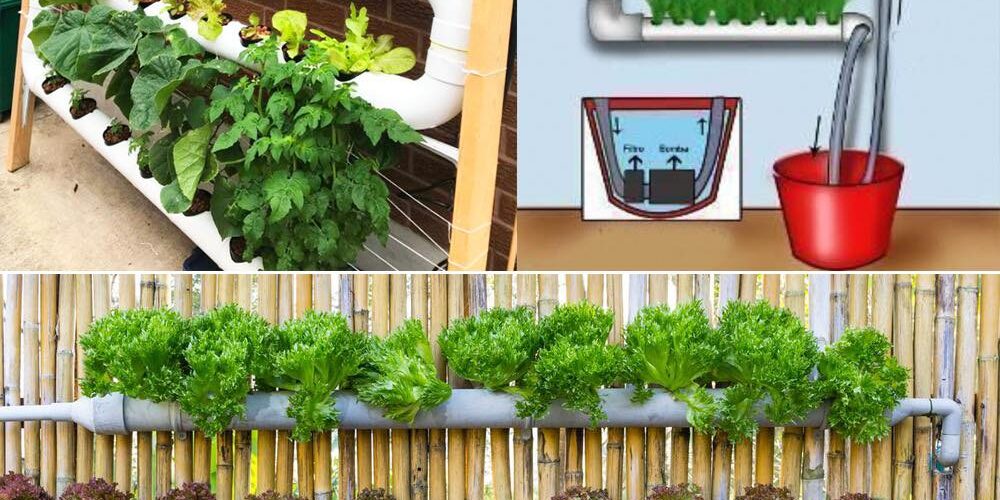
Hydroponics, derived from the Greek words “hydro” (water) and “ponos” (work), is a method of growing plants without soil, using solutions of mineral nutrients in an aqueous solvent. As water conservation becomes more crucial and people want to grow plants in non-traditional environments, hydroponics has been gaining popularity. Here we explain how to create your own hydroponic system at home.
Advantages of hydroponics:
- Faster plant growth: < With the right conditions, plants can grow up to 25% faster and produce up to 30% more than plants grown in soil.
- Water conservation: < Uses up to 90% less water than traditional agriculture.
- Space Saving: < Perfect for urban environments with limited space.
- No soil-borne diseases: Reduced risk of diseases and pests.
Types of hydroponic systems:
- Wick system: < The simplest type in which the nutrient solution is introduced into the growing medium through wicks.
- Deep Water Culture (DWC): < Plants are suspended in nutrient-rich water with an air stone that provides oxygen to the roots.
- Nutrient Film Technique (NFT): < A thin film of nutrient solution flows over the roots in a tilted tray.
- Ebb and flow (flood and drain): < Periodically flood the growing tray with nutrient solution and then drain it again.
- Drip System: < A timed drip line delivers nutrient solution to the base of each plant.
- Aeroponics: < Roots hang in the air and are sprayed with nutrient solution.
Creation of a basic deepwater culture (DWC) system:
Materials:
- A large container or storage vat (for storage).
- An aquarium air pump and an air stone.
- Hydroponic nutrients.
- pH control kit.
- Net pots or cups.
- Cultivation medium (such as hydroton or rock spear).
- Plants or seeds.
- A lid or cover for the container.
Steps:
- Reservoir Setup: Fill the container with water, leaving about two centimeters from the top. This will be the nutrient reservoir.
- Air supply: < Connect the air stone to the air pump and place it in the reservoir. This ensures that the roots receive enough oxygen.
- Preparing the lid: Make holes in the lid large enough to fit the net pots. Make sure the plants will be partially submerged in the nutrient solution.
- Plant Preparation: < If using seeds, plant them in the growing medium in the net pots. If using cuttings or seedlings, transplant them into the net pots.
- Nutrient Mixing: < Following the label instructions for your hydroponic nutrients, mix the proper amount of nutrients into the water. Check and adjust the pH to the recommended level for your plants using the pH control kit.
- Maintenance: < Check pH and nutrient levels weekly, adjusting if necessary. Also, make sure that the water level remains constant in the tank.
Tips for success:
- Lighting: < Most plants require a significant amount of light. Consider investing in LED grow lights if natural light is insufficient.
- Temperature: < Maintain a stable environment, ideally between 20°C and 22°C (68°F and 72°F) for optimal growth.
- Regular monitoring: Check your plants daily for any signs of nutrient deficiency, pests or diseases.
- Cleanliness: < Make sure your system is kept clean to prevent the proliferation of harmful pathogens.
Conclusion:
Building a hydroponic system is a rewarding task that can yield very good results. It is a sustainable and effective method for growing plants in different environments. With constant patience and care, you can enjoy fresh produce all year long from the comfort of your home. Happy growing!
Do you like it? Share the inspiration with your friends!