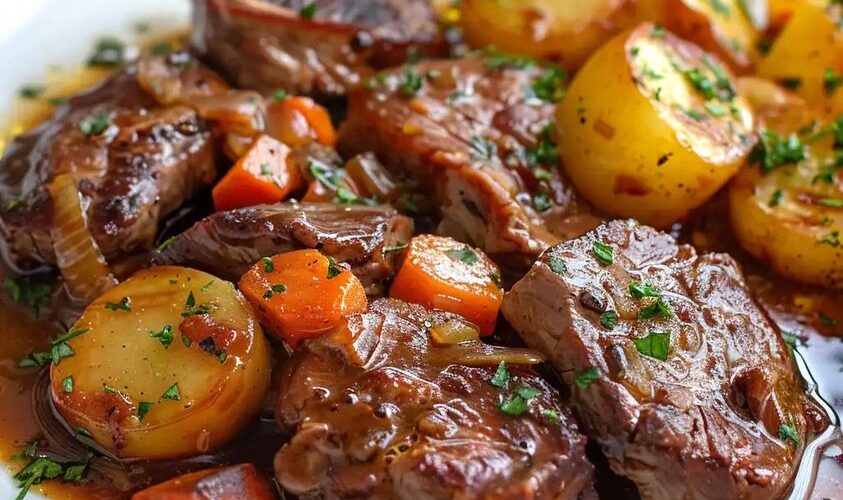
Beef Stew is more than just a dish: it is an amalgamation of culture, history and flavor that extends throughout Latin America.
Originally from Europe, this dish became popular in the New World thanks to the adaptation of local culinary techniques and the availability of regional ingredients.
- Definition and Origin of the Dish
- Stewing is a culinary technique that involves slowly cooking meat cut into pieces in a thick, flavored liquid. In the case of beef stew , tomato, onion, garlic, and spices such as bay leaf and cumin are typically used , ingredients that caramelize and break down to form a rich, condensed sauce.
- Cultural Importance
- In countries like Mexico, Peru and Colombia, stew not only represents a comforting home meal, but also an essential element at festivities and family gatherings. Each region has its variant, adapted to local palates and products, demonstrating its versatility and deep cultural connection.
Learn more about regional variants and preparation techniques in Recetas Colombianas, which explores the adaptation of this dish to Colombian cuisine, or discover the Dominican version, which includes elements like peppers and oregano, in Carne Guisada Dominicana. Both resources offer rich insights into how the same dish can have so many delicious and authentic variations.
Beef Stew: A Classic Recipe Full of Flavor
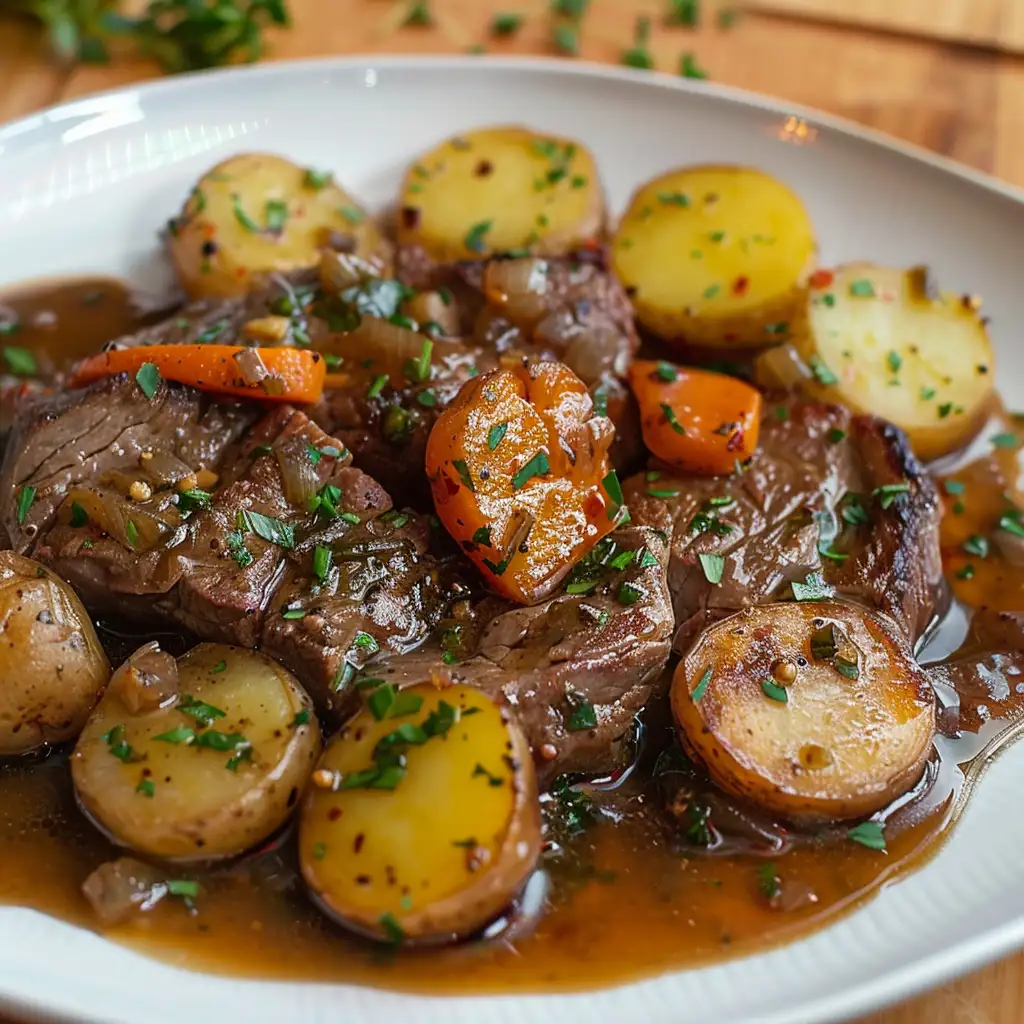
Making delicious beef stew is easier than you think. This traditional recipe combines beef with fresh vegetables and aromatic herbs, slowly cooking to perfection. Here we show you how to do it step by step.
Ingredients
- 2 kilos of beef fillet in large cubes
- 8 cambray potatoes , cut in half
- 2 carrots , peeled and cut into medium slices
- 2 tablespoons vegetable oil
- 2 bay leaves
- 2 teaspoons of salt
- 2 teaspoons of pepper
- ½ onion, cut into medium cubes
- 5 cloves of garlic
- ¼ tablespoon tomato puree
- ¼ cup red wine
- 2 sprigs of thyme
- 2 cups of meat stock
Preparation
- Season the meat on both sides with salt and pepper .
- Heat a pot, add the meat and seal it on both sides.
- Remove the meat from the pot, add a little more vegetable oil and sauté the onion with the garlic cloves for three minutes.
- Add the tomato puree , red wine , meat stock , sealed meat, bay leaves , thyme branches and adjust the seasoning. For more details on how to cook with wine, you can visit this article.
- Cover the pot when it comes to a boil, lower the heat and cook for an hour and a half.
- Add the carrots and potatoes , cover the pot and cook for 10 more minutes.
- Serve this delicious beef stew with potatoes and carrots.
Tips for a Perfect Stew
- Meat: Choose cuts of beef that are tender and juicy; the steak is an excellent option.
- Slow cooking: The secret to a perfect stew is slow, low heat cooking , allowing the flavors to concentrate and the meat to completely tenderize.
- Herbs and spices: Don’t underestimate the power of herbs and spices . Bay leaf and thyme provide an unmatched aroma and flavor that wonderfully complement the meat.
Beef stew is more than a meal, it is a culinary experience that transports you to a warm and cozy home. Perfect for any time of year, this dish is sure to be a favorite at any family gathering. Prepare it and let the aroma fill your kitchen, promising a dish that will delight any palate.
Stew Variants
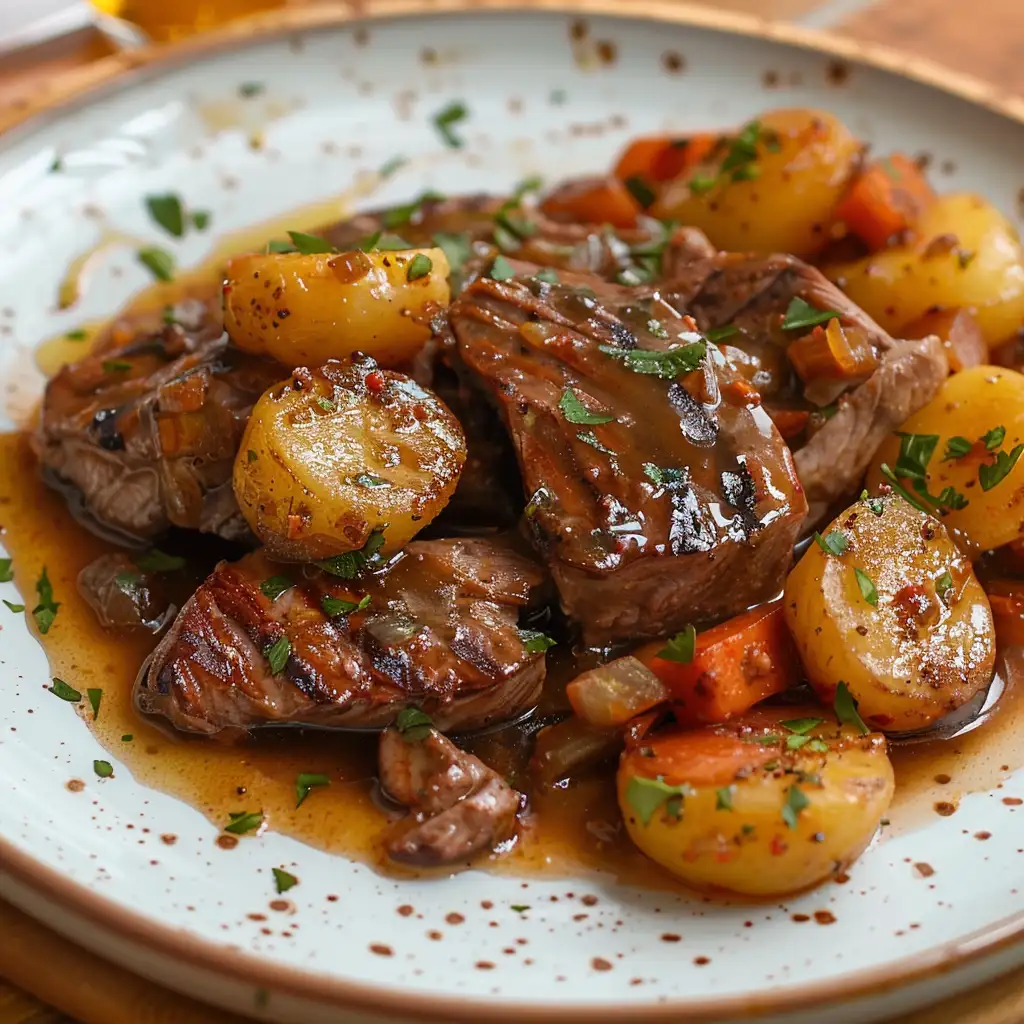
Beef Stew can vary significantly depending on the liquids used to slow cook the meat. Two popular variations are the use of red wine and beer , each providing a unique and distinctive flavor that enriches the dish.
- Stew with Red Wine: Incorporation and Benefits
- Incorporation : To prepare a stew with red wine, the meat is usually marinated in wine for a few hours before cooking, which helps tenderize the fibers of the meat. During cooking, the wine is reduced and concentrated, providing impressive richness and depth of flavor.
- Benefits : Red wine not only improves flavor, but also adds antioxidants to the dish, making this stew a healthier option.
- Stew with Beer: Differences in Preparation and Flavor
- Preparation : Similar to wine, beer can be used to marinate meat; However, due to its particular enzymes, it also tenderizes meat more efficiently. When cooked, beer imparts a malty, slightly bitter flavor that is exceptionally good with spices such as mustard or rosemary .
- Flavor : Beer tends to give a more robust, earthy flavor, ideal for a stew served in cold climates or during the winter.
- Regional Variants in Latin America
- Each country has its special touch: for example, in Peru it is common to add yellow chili and cilantro , while in Argentina paprika and white wine could be included . Explore more about Peruvian stew and its unique ingredients in Peruvian Stew.
Accompaniments and Service
Accompaniments for Beef Stew are crucial to complement and absorb the delicious juices of the stew.
- Garnish Recommendations
- White rice : A classic that helps absorb the rich sauce of the stew.
- Potatoes : Whether cooked in the stew or served on the side, potatoes are ideal for their ability to make the meal more substantial.
- Crunchy bread : Perfect for cleaning the plate of any leftover sauce.
- Tips for Presentation at the Table
- Serve in a clay pot or deep plate to keep the stew warm.
- Garnish with fresh herbs such as parsley or cilantro to add a touch of color and freshness.
Using Leftovers and Secondary Recipes
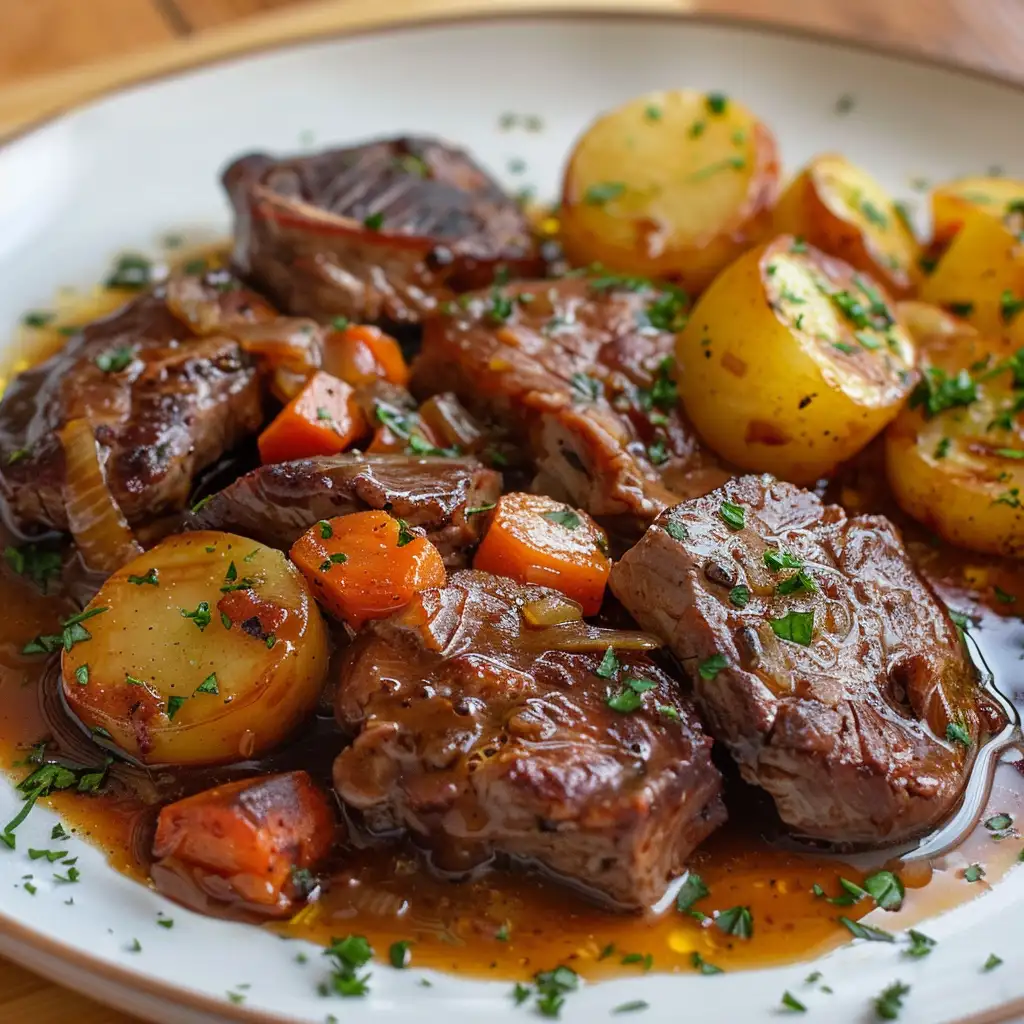
Reusing leftover Beef Stew is a great way to enjoy the dish in different ways.
- Ideas to Reuse Beef Stew
- Tacos or burritos : Use the meat and vegetables from the stew as filling.
- Pasta : Toss leftovers with cooked pasta for a quick and delicious meal.
- Recipes for Croquettes and Stew Empanadas
- Croquettes : Mix the leftovers with a little mashed potatoes, form them into croquettes and fry them until golden.
- Empanadas : Fill empanada doughs with the stew, seal tightly and bake or fry for a perfect, crispy bite.
These variants not only maximize the use of food but also offer new ways to enjoy this delicious and traditional dish.
Tips for a Perfect Stew
To ensure a perfect beef stew , selecting quality ingredients and adjustments during cooking are key. Here are some essential tips:
- Selection and Handling of Ingredients
- Meat : Opt for cuts of beef rich in connective tissue, such as shoulder or blood sausage, which tenderize and add flavor during slow cooking.
- Vegetables : Use fresh vegetables and make uniform cuts so they cook consistently.
- Adjustments During Cooking to Avoid Common Mistakes
- Temperature : Keep cooking over low heat; a strong boil can toughen the meat.
- Time : Allow enough time for the meat to be tender and the flavors to concentrate.
- Seasoning : Adjust the salt and spices at the end to avoid oversaturation and to compensate for the reduction of the stew.
By following these tips and adjusting minor details during preparation, you can ensure a final dish with impeccable texture and flavor.
Frequent questions
Properly answering common questions can significantly improve your beef stew cooking experience .
- Can beef stew be frozen?
- Yes, beef stew can be frozen without problems. Make sure it is completely cool before transferring it to an airtight container. It will keep well in the freezer for up to 3 months. Thaw in the refrigerator before reheating over low heat.
- How can I make my stew thicker?
- There are several techniques to thicken stew:
- Roux : Mix equal amounts of flour and butter, cook until golden, and add to the stew.
- Cornstarch : Dissolve cornstarch in cold water and pour the mixture into the stew, letting it boil for a few minutes.
- Vegetable puree : A natural method is to puree some of the cooked vegetables in the stew and add them back.
- Learn more thickening techniques and their effects in Colombian Recipes.
- There are several techniques to thicken stew:
- Recipe Adaptations for Special Diets (gluten-free, low sodium)
- Gluten-Free : Use rice flour or cornstarch instead of wheat flour for thickening, and make sure all processed ingredients (like broths or sauces) are gluten-free.
- Low Sodium : Reduce added salt and use unsalted broth. Enhance the flavors with more herbs and spices, and consider adding a touch of vinegar or lemon to enhance the depth of the stew without adding sodium.
These tips and answers should help you improve your braising technique and adapt your dishes to any specific dietary requirements, ensuring each meal is healthy, delicious and accessible to everyone at the table.