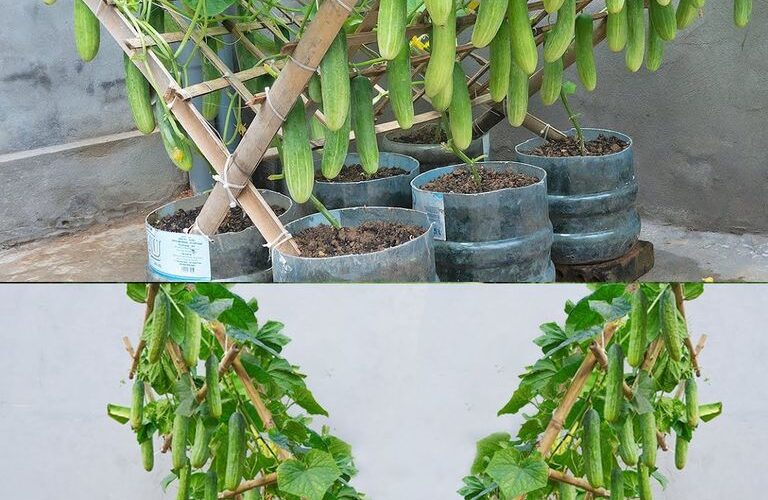
Growing baby cucumbers in containers is a rewarding and enjoyable experience. Whether you have little outdoor space or simply want to enjoy the joys of gardening indoors, growing in containers is a convenient and productive way to grow these fresh, refreshing vegetables. In this guide, we’ll take you step-by-step through the process of growing baby cucumbers in containers, from selecting the right container to caring for your plants as they bloom.
Choose the right container:
- Size matters: < Opt for pots that are at least 30cm deep and 30cm wide to provide enough space for the cucumber’s roots to grow.
- Drainage is key: < Make sure your container has adequate drainage holes to prevent waterlogging and root rot.
- Material: < Choose containers made of materials such as plastic, ceramic, or fabric. Each material has its advantages in terms of water retention and insulation.
Selection of cucumber varieties:
- Shrub varieties: < Look for compact or bush cucumber varieties suitable for growing in pots. These varieties take up less space and are better suited to smaller environments.
- Dwarf varieties: < Some cucumber cultivars are bred specifically for container growing. These “dwarf” varieties are ideal for limited spaces.
Planting process:
- Quality Soil: Use a potting mix that is well-draining and rich in nutrients to ensure healthy growth.
- Sowing seeds: < Plant the cucumber seeds about 2.5 cm deep in the soil, following the spacing recommendations on the seed packet.
- Germination: < Keep the soil constantly moist to encourage germination, using a sprayer so as not to disturb the seeds.
- Thinning: < Once the seedlings have sprouted and developed a pair of true leaves, thin them to one or two strong seedlings per container.
Container Care:
- Sunlight: < Place containers in a location that receives at least 6-8 hours of direct sunlight daily.
- Watering: < Keep the soil constantly moist, not soggy. Water at the base of the plant to avoid wetting the leaves, which can lead to fungal problems.
- Support: < As cucumber plants grow, provide them with a trellis or stakes for support to encourage upward growth and save space.
- Fertilization: < Feed your plants with a balanced liquid fertilizer every two to three weeks to ensure healthy growth and fruit production.
Pest and disease management:
- Inspect regularly: < Check plants for signs of pests such as aphids, cucumber beetles or spider mites. Also, keep an eye on the appearance of diseases such as powdery mildew.
- Natural Remedies: < Introduce beneficial insects such as ladybugs, or use neem oil or insecticidal soap to control pests.
- Pruning: Quickly remove affected leaves and stems to prevent the spread of disease.
Harvesting baby cucumbers:
- Calibrated: < Baby cucumbers are usually ready for harvest within 50 to 60 days from planting.
- Size: < Harvest cucumbers when they measure between 10 and 15 centimeters so that they are tender and have optimal flavor.
- Regular Harvesting: < Regularly pick ripe cucumbers to encourage the plant to produce more fruit.
Conclusion: < Growing baby cucumbers at home in containers is a fantastic way to enjoy the pleasures of gardening, even with limited space. By choosing the right container, providing proper care, and ensuring that it is free from pests and diseases, you can successfully grow these refreshing vegetables right at your doorstep. With a little effort and a lot of enthusiasm, you’ll be enjoying your home-grown baby cucumbers in no time. Happy gardening!