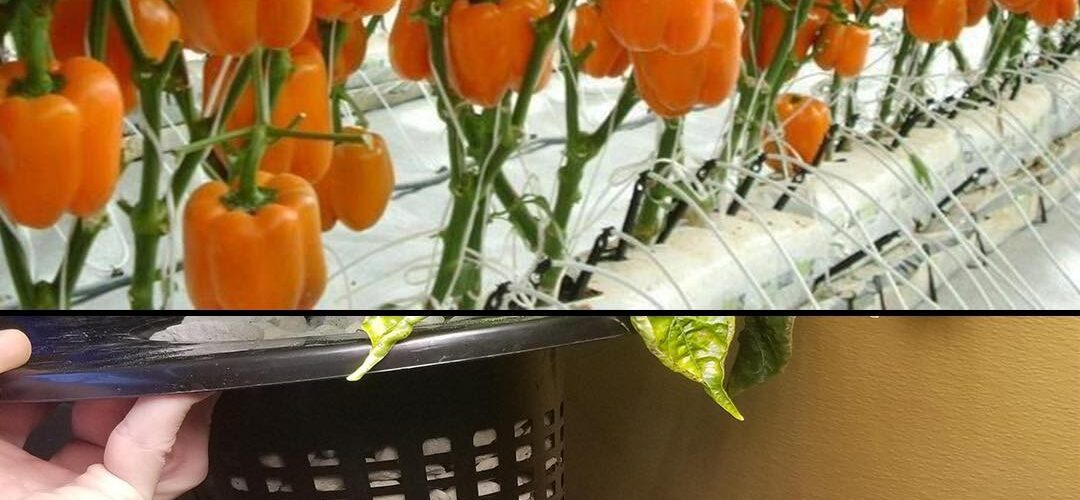
Gardening has come a long way from traditional soil-based methods. Hydroponics, a soilless growing method, has gained popularity for its effectiveness and sustainability. If you like hot and sweet peppers and want to try growing without soil, this complete guide will explain how to grow peppers without soil using hydroponics .
Hydroponics: What is it?
Hydroponics is a method of growing plants in a nutrient-rich aqueous solution without using soil. This technique provides plants with all the essential nutrients they need to grow, allowing for faster growth and better control of environmental factors.
Advantages of growing peppers hydroponically
- Controlled environment : Hydroponic cultivation allows you to control factors such as light, temperature and humidity, guaranteeing ideal conditions for pepper plants throughout the year.
- Increased growth rates : Soilless growing often results in faster growth and larger yields compared to traditional soil-based gardening.
- They require less space : Hydroponic systems are very efficient and require less space compared to traditional soil gardens, making them an excellent option for urban and indoor gardening.
- Reduced pest and disease problems : Growing peppers without soil can help minimize the risk of pests and soil-borne diseases.
How to get started in hydroponic growing of peppers
- Choose Pepper Varieties : Start by selecting the pepper varieties you want to grow. Varieties such as peppers, jalapenos, and habaneros are popular choices.
- Hydroponic System Selection : There are several types of hydroponic systems to choose from, such as Deep Water Culture (DWC) , Nutrient Film Technique (NFT) , and Drip Systems . Select the one that best suits your space and needs.
- Get the necessary equipment : Depending on the hydroponic system you choose, you will need equipment such as grow lights, water pumps, air stones, and pH and EC meters .
- Create a nutrient solution : Hydroponic plants depend on nutrient-rich solutions for their growth. You can purchase pre-mixed nutrient solutions or create your own using a nutrient formula suitable for pepper plants. Make sure pH and electrical conductivity (EC) levels are within the optimal range for peppers.
Plant and maintenance
- Germination : Start by germinating the pepper seeds in a seed tray or propagator. You can also buy pepper seedlings if you prefer to skip the germination phase.
- Transplant : Once the seedlings have developed their first true leaves, transplant them into the hydroponic system you have chosen. Make sure the roots are well submerged in the nutrient solution.
- Light and temperature : Provide adequate lighting for your peppers, as they need at least 12-14 hours of light per day. Maintain temperature between 70-85°F (21-29°C) for optimal growth.
- Nutrient Maintenance : Regularly monitor and adjust the pH and EC levels of the nutrient solution to ensure your plants receive the proper balance of nutrients.
- Pruning and supporting : As your pepper plants grow, prune them to remove excess leaves and support the weight of the fruits with stakes or trellises.
- Pest and disease control : Although hydroponic growing reduces the risk of some pests and diseases, it is important to remain vigilant. Introduce beneficial insects if necessary and follow integrated pest management (IPM) techniques.
Harvest and enjoy
Peppers usually take 75-90 days to mature, depending on the variety. You will know they are ready to harvest when they reach the desired size and color. Use sharp scissors or pruning shears to cut the peppers from the plant, being careful not to damage the main stem.
Growing peppers without soil using hydroponics offers an interesting and effective way to grow this popular vegetable. With careful planning and maintenance, you can enjoy a bountiful harvest of fresh home-grown peppers all year round, regardless of weather or space limitations. This sustainable and environmentally friendly farming method is not only rewarding, but also a step towards the future of agriculture. So why not give it a try and savor the fruits of your soilless labor? Happy gardening!