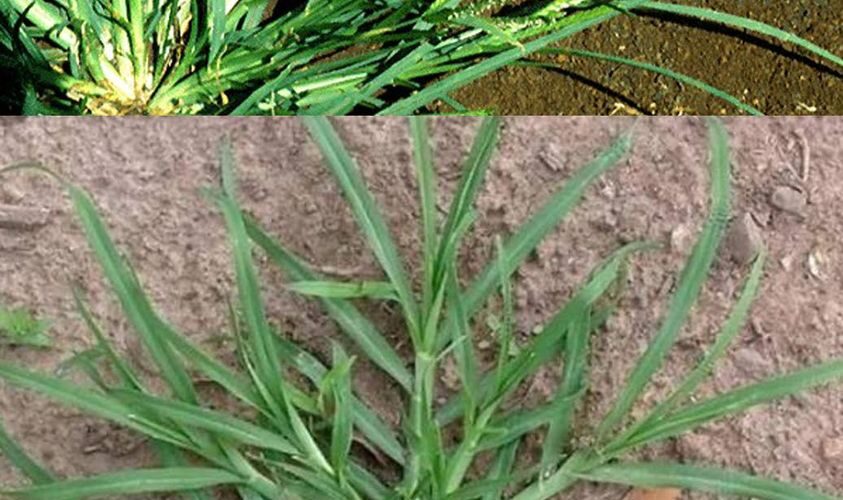
- Choose a suitable garlic bulb: Select a healthy garlic bulb from a reputable source or from your local market. Make sure there are no signs of illness or damage.
- Prepare water bottles: Clean and disinfect 5-liter water bottles or any other similar containers. Remove the label and rinse them well with warm water.
- Fill the water bottles: Fill each bottle with water, leaving about an inch of space from the top.
- Put garlic cloves in water: Divide the garlic bulb into individual cloves, making sure to keep the papery skin intact. Place the cloves in each water bottle, making sure the bottom (flat end) of the clove is submerged in the water.
- Provide adequate light and heat: Place water bottles in a warm, well-lit area. Ideally, a windowsill that receives direct sunlight for at least 6-8 hours a day. Garlic prefers a temperature of 13-24°C (55-75°F).
- Change the water: Change the water every two to three days to prevent the growth of mold or bacteria and ensure that the cloves receive fresh nutrients.
- Root Development: After a few days, you should see roots starting to form on the bottom of the cloves. Let the roots grow to about 2.5-5cm in length before transplanting.
Transplanting garlic seedlings:

- Choose a planting location: Choose a sunny location with well-draining soil. Garlic grows best in loose, fertile soil with a pH between 6.0 and 7.5.
- Prepare the soil: Before planting, enrich the soil with compost or well-rotted manure. Avoid using fresh manure, as it can burn the garlic roots.
- Planting Depth: When the roots have reached a suitable length, carefully remove the garlic cloves from the water bottles. Plant them about 5cm deep in the soil, with the point facing up.
- Spacing: Space cloves at least 10-15 cm (4-6 inches) apart in rows of about 30 cm (12 inches).
- Watering: Keep the soil evenly moist, especially during the initial growing period. Garlic requires constant watering, but it should not become waterlogged.
Growing Garlic Care:
- Mulch: After planting, apply a layer of organic mulch (straw, shredded leaves or grass clippings) to help retain moisture, suppress weeds and protect garlic over the winter.
- Fertilization: Garlic is fed moderately. You can provide additional nutrients with a balanced fertilizer or compost tea during the growing season.
- Garlic Tips: During the growing season, garlic can produce curly green stalks known as “scapes.” Cutting them favors the development of the bulbs, since the plant dedicates more energy to the bulbs than to seed production. They can also be used for cooking.
- Pest and disease control: Garlic is usually resistant to pests and diseases, but you should still keep an eye on it. Remove any yellowed or damaged leaves and dispose of them to prevent the spread of disease.
- Harvesting: Garlic is ready for harvest when the lower leaves turn yellow and begin to die. Typically, this occurs in late spring or early summer, depending on the variety and planting time.
- Drying and curing: After harvesting, gently brush off excess soil and allow the garlic bulbs to dry in a warm, well-ventilated place for 2-3 weeks. This process, known as curing, helps improve storage life.
Tips for growing garlic:
- Choose the right variety: There are softneck and hardneck varieties of garlic, each with different flavor profiles and growing characteristics. Softneck varieties are more common and are better suited to milder climates, while hardneck varieties are known for their strong flavors and grow better in colder regions.
- Planting time: Garlic is usually planted in autumn, about 4-6 weeks before the ground freezes. In this way, the bulbs take root before winter dormancy and grow earlier in spring.
- Avoid overwatering: Garlic prefers slightly moist soil, but overwatering can lead to rot and other problems. Watering deeply and less frequently is usually better than watering frequently and shallowly.
- Crop rotation: To avoid the buildup of soil-borne diseases, do not plant garlic in the same location for consecutive years. Rotate it with other crops in the allium family.
- Save your best bulbs: If you get a good harvest, save some of the best bulbs to replant next season. This will ensure that you continue to grow garlic adapted to your specific growing conditions.
With these guidelines, you will be well on your way to growing your own healthy and delicious garlic. Happy growing!