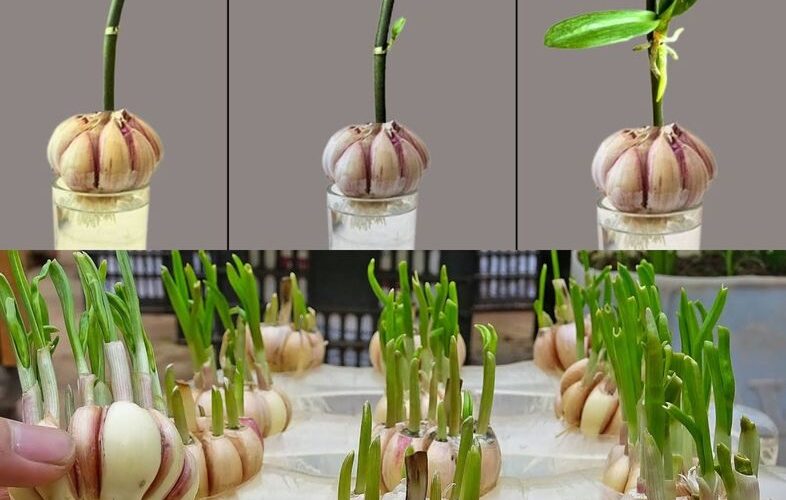
It is true that “there are no more seasons.” It is difficult to ignore this reality: the climate is changing and has a real impact on our lives, but also on our plantations. And especially in summer. Water is increasingly necessary and it is not uncommon to have to deal with restrictions on use for irrigation. What vegetables don’t need water? Here are our top 5 that should allow you to continue growing your garden while conserving water. It’s this way!
What vegetables don’t need water? Our top 5!
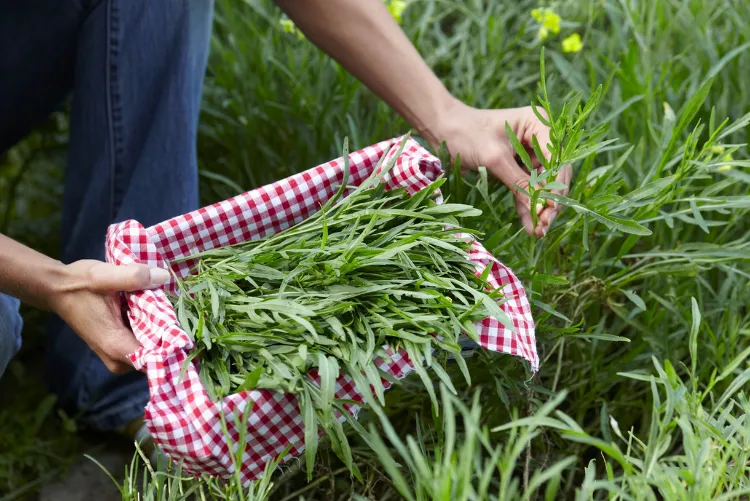
Maintaining a garden is not an easy task. How to eliminate weeds? When to plant? How to water and even other limitations such as eliminating aphids, fighting mildew or treating plant diseases. Did you know that it is very possible to grow a garden without maintenance or irrigation? In fact, by applying a few common sense rules, you can harvest fruits and vegetables without watering or spending a lot of time maintaining your garden. With good mulching, a good combination of crops and an optimized arable area, it is very possible! Here are 5 vegetables for you that do not need water and will withstand the summer 2022 heat wave without worries.
Garlic, shallot and onion
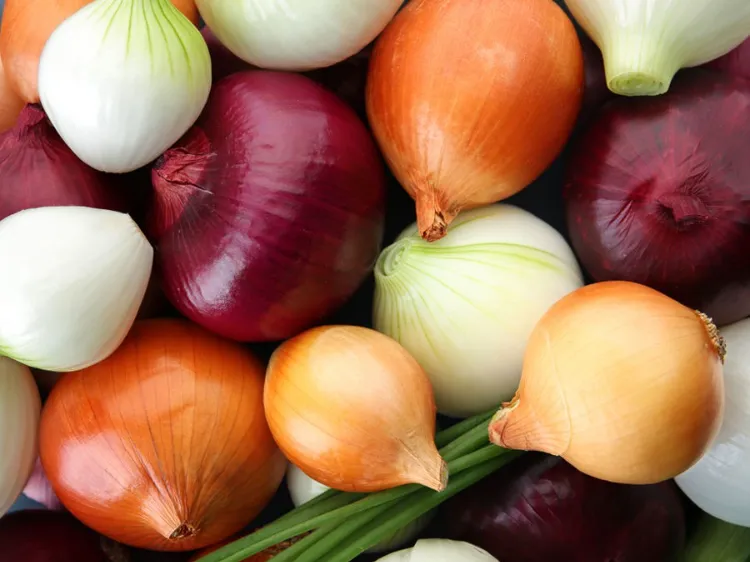
We start with the most practical vegetables, the essential ones in our recipes for small homemade dishes: garlic, shallot and onion. Prized for their flavor, they are also prized for their nutritional and medicinal benefits. They are undoubtedly the easiest home garden vegetables to grow. In fact, these bulb vegetables are not very demanding on the nature of the soil. Since they hate moisture, you will only need to water them during dry periods. In addition, you are spoiled for choice with the different varieties of garlic, shallot and onion, of different colour, shape and size. Keep in mind that these vegetables are planted from late winter to fall. As for the harvest, it takes place from June to August.
Beet
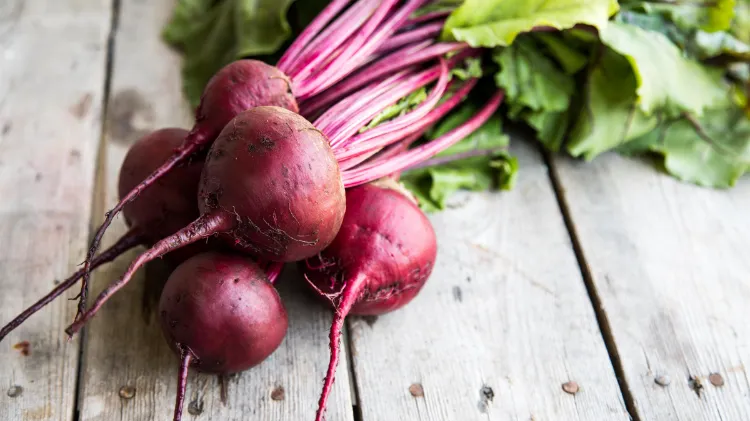
With the tomato, it is without a doubt the star of the summer. Raw or cooked, the benefits of beets are numerous: they are rich in calcium and vitamins A and C. They only have one requirement: their location. In fact, beets should be planted in the sun and in soil rich in organic matter.
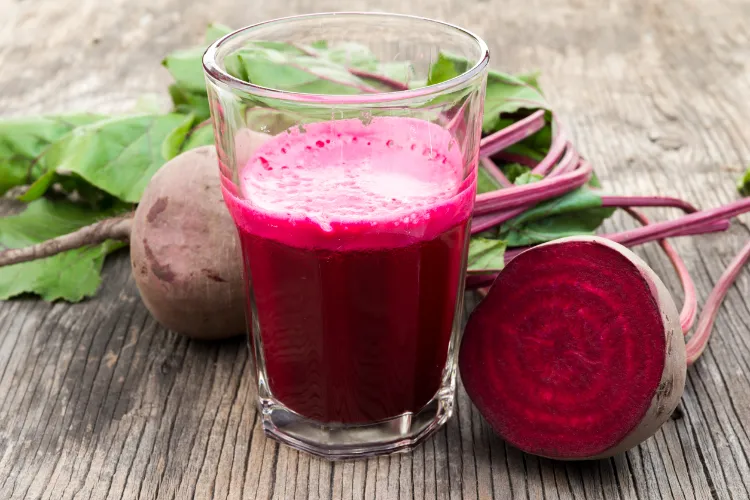
Its demands end there, because otherwise, it does not require any other maintenance. By covering it correctly, it will not need watering. It is harvested around 4 to 5 months after sowing, which will be done in stages. Finally, did you know that beet juice helps you age in good health?
Jerusalem artichoke
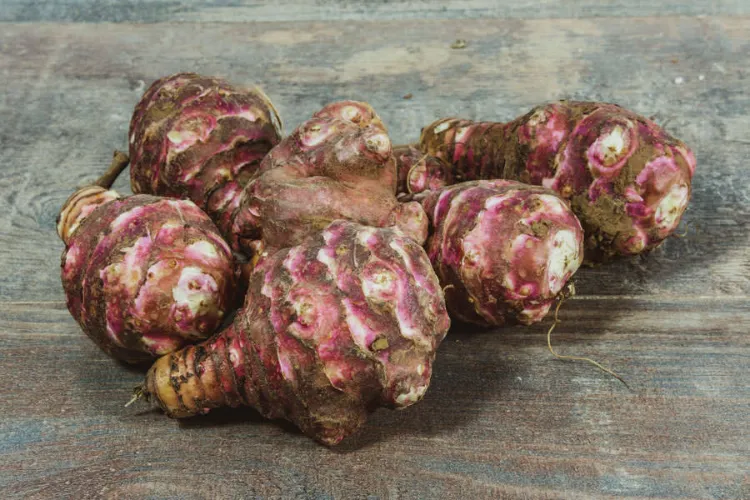
A somewhat forgotten vegetable, the Jerusalem artichoke is gaining momentum and appears to be popular again. Particularly vigorous, it has its place in the garden where it does not require any maintenance or particular watering. You just have to isolate it a little due to its invasive side. In fact, its 2 to 3 meters high could provide shade for other vegetables.
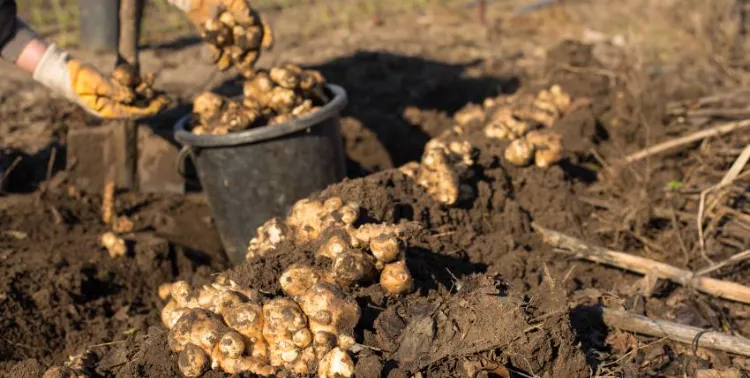
Note that Jerusalem artichoke thrives in dry, poor soil. Therefore, it is not necessary to water it regularly outside of heat waves. In addition, the Jerusalem artichoke is very easy to care for. As such, if you’re new to gardening, get started with it! Its tubers are planted from mid-February to mid-April and harvested from October.
rhubarb
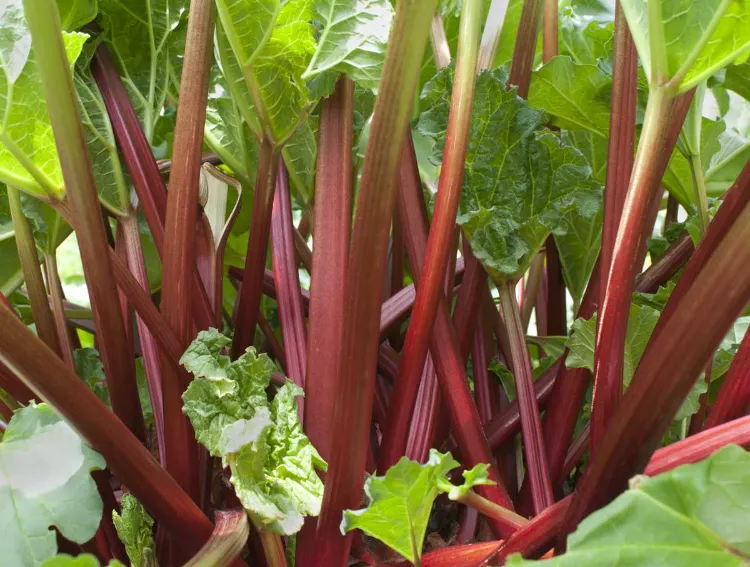
Rhubarb is a perennial plant that does not require much maintenance except a lot of humus when planting and every 2 years. It is its stems that are eaten for its spicy flavor. Its large leaves are magnificent to beautify an ornamental garden.
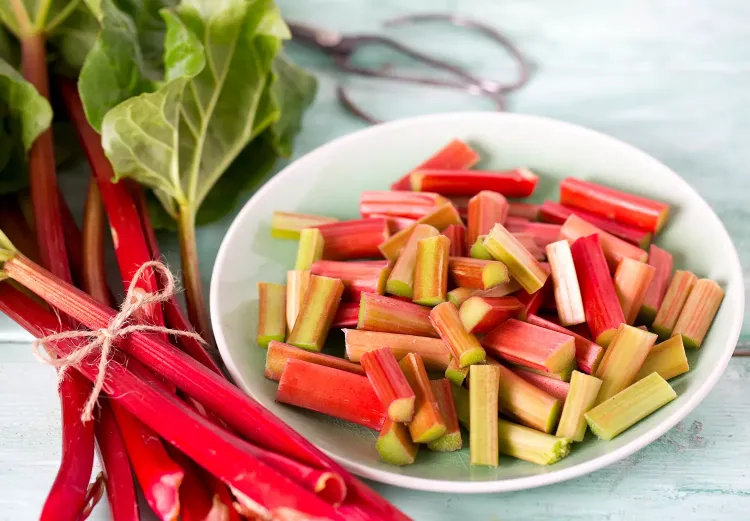
Please note that harvesting usually takes place in May. With rhubarb you can get started, why not as a family, in making delicious compotes, cakes or jams. You will not regret !
Orach among the vegetables that do not need water
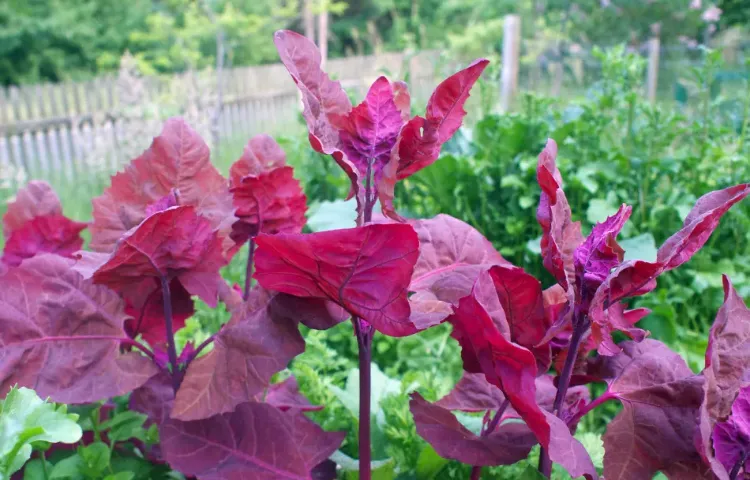
Do you know orach or Atriplex hortensis ? Additionally, a somewhat forgotten vegetable of yesteryear, orach has the advantage of being very easy to grow by offering edible leaves in abundance. It is a resistant plant that resists heat very well.
See in gallery
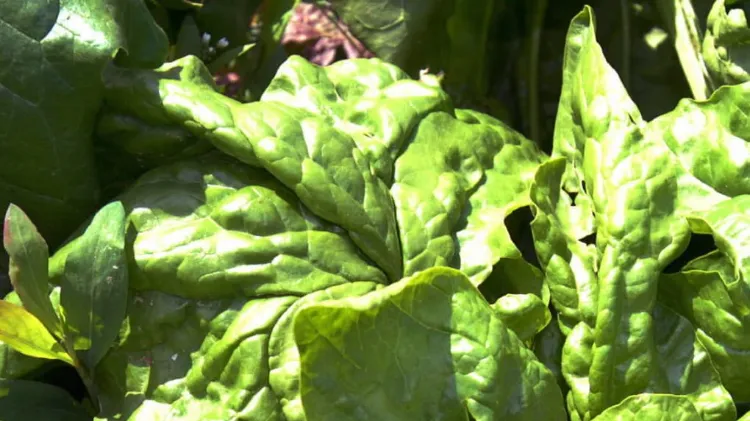
Its leaves come in different colors, from green to yellow, including red. They are eaten in the same way as spinach. As for irrigation, a little water in summer and a good mulch are more than enough. Know that the orache can reach 1.50 m.