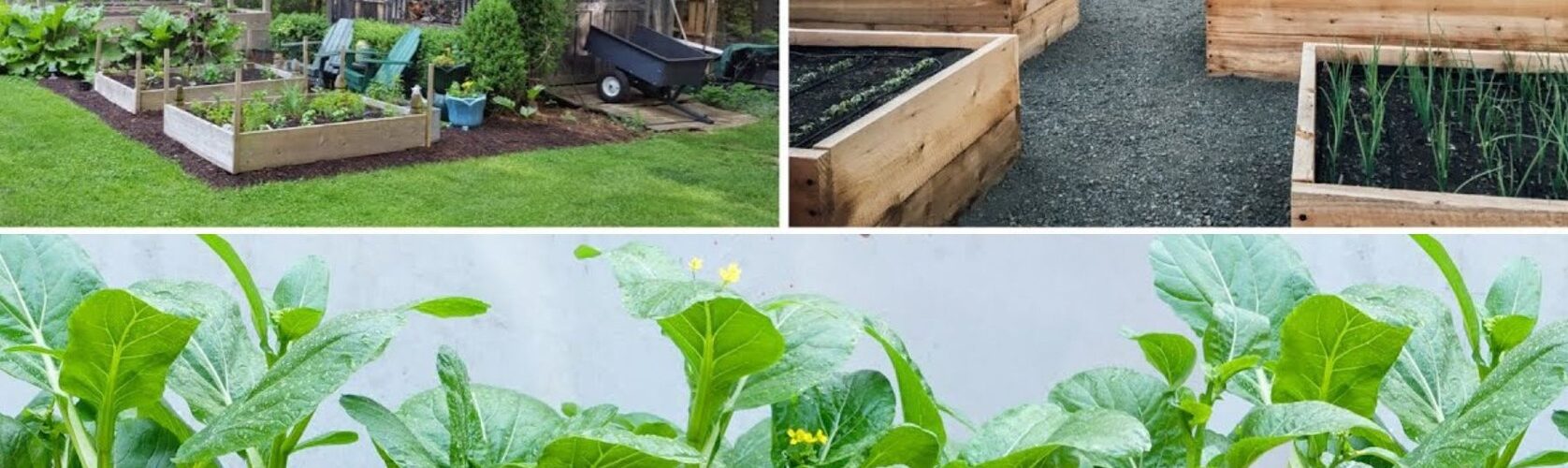
It’s official, the vegetable garden is the hottest trend in gardening right now, and for several reasons. Obviously, the economy forces us to look for ways to reduce our bills and growing your own vegetables can save a lot of money compared to grocery store prices. Additionally, we want to be sure that the food we put in our bodies is as healthy as possible. And the best thing is that garden vegetables simply taste better than anything you can buy at the store.
If you’re like the millions of others starting a garden this year for the first time, chances are a few tried-and-true tips will help make it a success. Even seasoned veterans can’t get enough of remembering the most essential steps to a bountiful garden.
A vegetable garden is easy to start and doesn’t require as much effort as you might think to keep it growing. Following these simple steps will ensure that you enjoy the fruits of your labor in no time.
1) Location is key
Most vegetable plants grow best in full sun. Find a place that gets at least six hours a day if possible. To provide maximum sun exposure for all your plants, place taller plants, such as tomatoes or green beans, on the north or west side so they don’t shade shorter plants.
2) It’s about the floor
The best soil for vegetables includes plenty of compost and organic matter, such as composted leaves and shredded or shredded aged bark. Whatever you start, incorporate enough organic matter so that the amended soil is not sandy or compacted.
When the mixture is good, it comes together when you squeeze it but breaks easily when you open it. This soil is full of live microorganisms that help feed your plants. The water will be sufficiently retained and will not saturate the soil.
3) Water smartly
For most vegetable plants, 3 cm of water per week, which includes any natural rainfall, is sufficient. The most efficient and productive way to water is to use drip hoses. These deliver water slowly, to the target, allowing the roots to absorb moisture and the soil to be adequately hydrated and helping to keep the foliage dry. Long periods of wet foliage can promote disease. Automatic timers are a great way to reduce the effort and hassle of this important step.
4) Use mulch
Add an 8cm layer of any organic mulch around your plants and over irrigation lines if possible. Mulch will insulate the soil and help keep it cooler in the summer and warmer in the winter. It also helps retain moisture, suppresses weeds, and acts as a protective barrier against diseases that spread to plants from the soil. And besides, mulch looks great in the garden.
Knowing the source of your mulch is just as important as using it. Especially in a garden. Some mulches may contain unacceptable amounts of harmful chemicals.
5) Be patient with pest control
Although pests are usually present at some point in any garden, with patience nature usually solves the problem. After all, of all the insects in your garden, only about 3% are pests. As long as you practice the steps mentioned so far, you will have already taken the right steps to promote the growth of healthy plants that can better resist potential pest invasions.
I think it is better not to use chemicals in a garden. Instead, focus on growing healthy plants with good soil and sunny conditions and let nature take its course. Synthetic pesticides and even many organic/natural pesticides are non-selective, meaning they will also kill beneficial insects.
6) Don’t overfertilize
Too much fertilizer, especially nitrogen (the first number on the fertilizer package) can promote lush green growth at the expense of fewer fruits and a smaller harvest. Too much fertilizer can also be harmful to your plants and the soil. Instead, add as much organic compost as possible, up to about 20% of the total soil composition. Incorporate it into the rest of the soil and you will provide your plants with the nutrients they need to thrive naturally. In other words, feed the soil and let the soil feed the plants.
If you put into practice what I suggested above, you will start your garden off on the right foot and set it up for a fruitful season. Preparation is key, and the reward is a healthier, more productive garden and fresh food that tastes better than anything you can buy at the store. What’s better than that?