Introduction
In this comprehensive guide, we will explore in detail how to care for and maintain Oxalis Triangularis, commonly known as purple clover. As a home and garden enthusiast, I have been fortunate to grow and enjoy this beautiful plant in my own space. Through my personal experience, I will share practical tips, specific care, and everything you need to know to keep this lovely and vibrant plant in your home.
What is Oxalis Triangularis?
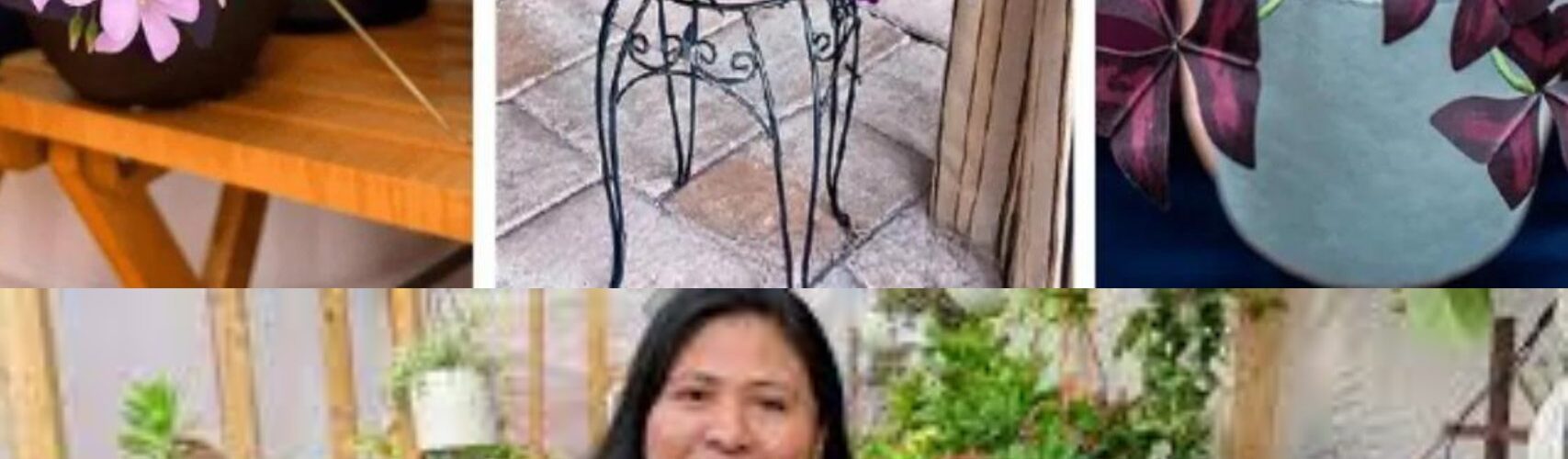
Oxalis Triangularis, or purple clover, is a perennial plant in the Oxalidaceae family. It is characterized by its heart-shaped leaves that vary in shades from dark green to deep purple, giving it its distinctive purple color. In addition to its attractive appearance, this plant produces small white or pink flowers that add additional charm to any interior space.
Ideal Growing Conditions
To ensure healthy growth of the Oxalis Triangularis, it is crucial to provide it with the right conditions:
Light
Purple clover prefers bright indirect light. Place it near an east or west facing window to ensure it receives enough filtered sunlight during the day. Avoid direct sunlight, as it can cause burns to the plant’s sensitive leaves.
Temperature
This plant thrives in moderate temperatures ranging from 15°C to 24°C. Avoid exposing it to cold air currents or sudden changes in temperature, as it can affect its health and growth.
Humidity
Oxalis Triangularis prefers moderate to high humidity levels. Consider placing a humidifier near the plant, especially during the driest months of the year. Alternatively, you can place the pot on a saucer filled with pebbles and water to create a humid microclimate around the plant.
Irrigation and Drainage
Proper watering is essential for the care of Oxalis Triangularis. Follow these tips to maintain the proper moisture balance in your soil:
Irrigation Frequency
Avoid overwatering the plant, as excess water can cause root rot. Instead, water the plant when the top layer of soil is slightly dry to the touch. Watering frequency will vary depending on ambient temperature and humidity, but generally once every 7-10 days is usually sufficient.
Irrigation Method
When watering the Oxalis Triangularis, make sure to do it evenly to avoid waterlogging. Pour water directly onto the substrate until it begins to drain through the drainage holes in the pot. Empty excess water from the saucer under the pot to prevent the roots from becoming submerged in standing water.
Fertilization
Regular fertilization helps maintain the health and vitality of the Oxalis Triangularis. Follow these tips for effective fertilization:
Fertilization Frequency
Apply a diluted balanced fertilizer every 4-6 weeks during the active growing season, which is usually spring to early fall. During winter, reduce the fertilization frequency to once every 8 weeks.
Fertilizer Type
Use a balanced liquid fertilizer with an NPK (nitrogen, phosphorus, potassium) ratio of 10-10-10 or similar. Dilute the fertilizer according to the manufacturer’s instructions before applying it to the plant to avoid burns from excess nutrients.
Spread
Oxalis Triangularis can be easily propagated by root divisions or stem cuttings. Follow these steps to successfully propagate your plant:
Root Division
- Carefully remove the plant from the pot and gently shake excess soil from the roots.
- Use a clean, sharp knife to divide the roots into smaller sections, making sure to include at least one growth spurt in each section.
- Plant the root sections in individual pots with a well-drained substrate and water lightly.
- Place the pots in a warm, bright place and keep the substrate slightly moist until new shoots appear.
Stem Cuttings
- Cut a healthy, vigorous stem from the mother plant using clean pruning shears.
- Remove the lower leaves from the stem and dip the cut end in rooting hormone to promote root development.
- Plant the stem in moistened potting mix and place the pot in a warm, bright location.
- Keep the substrate constantly moist and wait for new roots to appear before transplanting the cutting to a larger pot.
Common Problems and Solutions
Although Oxalis Triangularis is generally hardy, it can face some health problems. Here are some common problems and their corresponding solutions:
Withered Leaves
- Cause: Lack of water or excess irrigation.
- Solution: Adjust watering to maintain a proper moisture balance in the soil. Remember to check the humidity of the substrate before watering.
Yellowed Leaves
- Cause: Nutrient deficiency or exposure to cold air currents.
- Solution: Apply a balanced fertilizer according to the manufacturer’s instructions and protect the plant from cold drafts.