Tomato plants are among the most popular and rewarding horticultural crops. However, as they grow, they can become heavy and unruly, leading to a host of problems that can affect their health and productivity. This article explores why tomato cages are essential and offers a step-by-step guide to selecting and setting up the perfect support for your tomato plants.
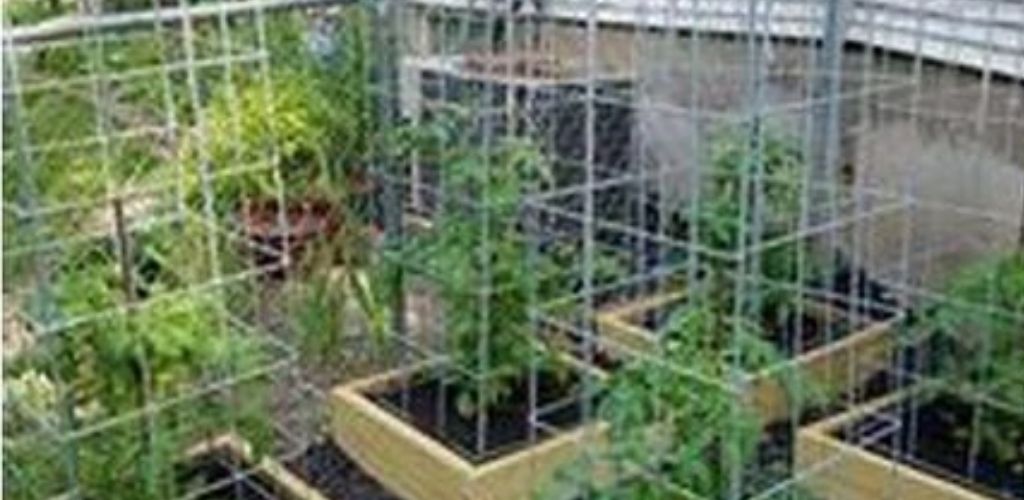
wooden support cages for tomato plants 1
The importance of tomato cages
Growth support: Tomato plants, especially indeterminate varieties, can grow quite large and are prone to toppling over under the weight of their fruit.
Air circulation: Properly supported plants have better air circulation around the foliage, reducing the risk of diseases such as pests and fungal infections.
Sunlight Exposure: Cages ensure that plants receive uniform sunlight, which is crucial for fruit development.
Cleanliness: Keeping tomatoes off the ground protects them from soil-borne pests and diseases and keeps the fruit clean.
Ease of Harvest: Staked and caged tomatoes are easier to harvest than those in the ground.
Step 1: Choosing the Right Cage
Size Matters: Choose a cage that can accommodate the mature size of your tomato plants. Indeterminate varieties may need taller, sturdier cages.
Material: Cages are available in various materials, including wire, metal, and wood. Consider durability, weather resistance, and ease of storage.
Design: Some cages are conical, while others are square or round. The design can affect the ease of access to the plant and overall stability.
Step 2: Timing is key
Early installation: Install cages at the beginning of the season, shortly after transplanting the tomato seedlings. This minimizes root disturbance and ensures the plant grows within the support structure.
Step 3: Installing the Cage
Safe Positioning: Plant the cage deep enough into the soil (at least 6 to 12 inches) to ensure stability against wind and the weight of the plant.
Add support: In windy areas or for particularly tall varieties, consider reinforcing the cage with stakes or tying it to a fixed structure.
wooden support cages for tomato plants 2
Step 4: Regular Maintenance
Pruning: Periodically prune away excess foliage, especially in indeterminate varieties, to ensure that the plant’s energy is focused on fruit production.
Check stability: Periodically check that the cage is secure, especially after storms or high winds.
Tuck in stray branches: Gently guide stray branches into the cage to provide support and maintain good air circulation and sun exposure.
Tomato cages play a vital role in the health and productivity of tomato plants. They provide necessary support, improve plant health, protect fruits and make the gardening experience more enjoyable and fruitful. If you choose the right cage, install it correctly, and maintain your plant throughout the season, you can expect a bountiful harvest of delicious homegrown tomatoes. Happy gardening!