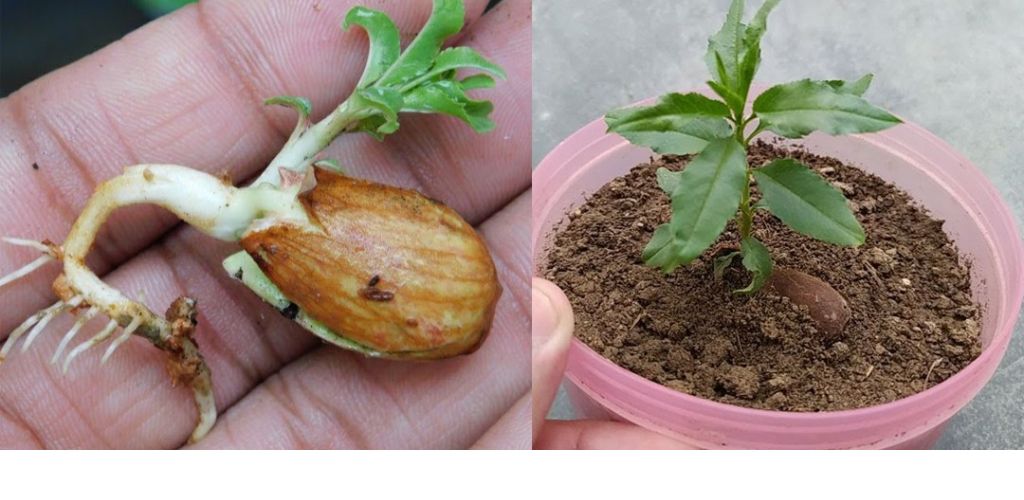
Growing an almond tree from seed at home can be a rewarding process that will provide you with a beautiful, fruitful tree after several years. Here is a general guide on how to do it:
Step 1: Obtain Almond Seeds Seed Selection: Choose high quality almonds that are raw, fresh and unprocessed. You can use almonds directly from another tree or buy raw, unprocessed, untreated almonds. Stratification: Almond seeds must be stratified (subjected to a cold treatment) to encourage germination. To do this, soak almonds in water for 48 hours, then wrap them in a damp paper towel, place them inside a plastic bag, and refrigerate them for a few weeks.
Step 2: Plant the Seed When to Plant: Spring is the best time to plant almond seeds. Soil Preparation: Almond trees prefer well-drained soil with a pH level of around 6-7.5. Enrich your planting area with compost. Planting Depth: Plant the seeds 2-3 inches deep in the soil and water thoroughly. Location: Choose a sunny location, as almond trees require full sunlight to thrive.
Step 3: Caring for Your Almond Tree Watering: While the tree is young, make sure it receives water regularly, especially in dry periods. Mature trees are quite drought tolerant, but will produce best with consistent watering. Pruning: In the early years, focus on developing a strong, healthy framework for the tree. In later years, prune to encourage light and air circulation, which can minimize the risk of disease. Fertilization: Use a balanced fertilizer to nourish the tree, especially during the growing season.
Step 4: Protect the Tree Pests and Diseases: Keep an eye out for common pests such as aphids and diseases such as fungal infections. Apply preventative and curative measures as necessary. Winter Protection: Young almond trees may need protection during harsh winters. Using mulch and protective wraps can help protect them from cold winds and extreme cold.
Step 5: Harvest Almonds Waiting Period: Almond trees will generally begin producing nuts in the third or fourth year and reach full production after 5-6 years. Harvest Time: Almonds are usually ready to harvest in late summer or early fall. The shells will open and the shell will become visible. Drying: Once harvested, allow the almonds to dry in a cool, dry place for a week before storing.
Step 6: Enjoy the Rewards Roasting and Consuming: Roast your almonds for a tasty snack or use them in your cooking. Admire the Flowers: Almond trees offer beautiful flowers in spring, making them a charming addition to your garden.
Final Thoughts: Growing an almond tree requires patience, but the results, in the form of delicious nuts and beautiful flowers, are worth the wait. Be sure to care for the tree’s needs throughout its life and you will enjoy the abundant rewards for years to come.
Note: Always keep your local climate in mind and check with a local nursery or extension service to make sure almonds are a suitable crop for your area.
Inspired by this? Share the article with your friends!