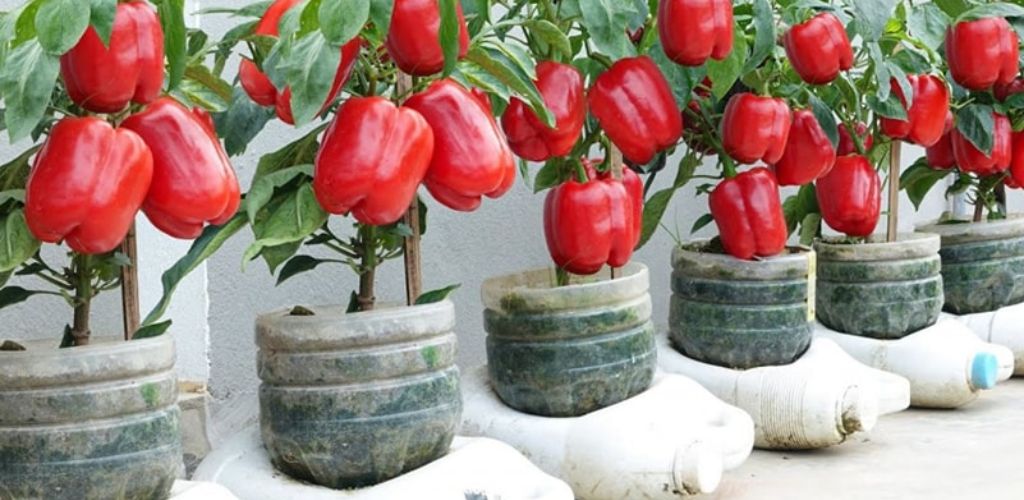
Peppers are a versatile and flavorful addition to a variety of dishes, and growing them at home can be a rewarding and straightforward endeavor, even for those new to gardening. Whether you have a large backyard or just a small balcony, you can enjoy a bountiful harvest of peppers with a little effort and the right guidance.
In this article, weizll will take you through the essential steps to start growing peppers in your own space. From selecting the right pepper varieties to providing them with optimal growing conditions, you’ll soon be on your way to enjoying homegrown peppers that are perfect for your culinary creations.
Choosing the Right Pepper Varieties Before you start planting, it is important to choose the right pepper varieties for your taste and space. Here are some popular options for beginners:
- Bells: These mild, sweet peppers come in various colors and are perfect for salads and stuffing.
- Jalapenos: Slightly spicy, these peppers are great for adding some heat to your dishes.
- Cayenne Peppers: If you love spicy food, cayenne peppers are a fantastic choice for a fiery kick.
- Banana Peppers: Slightly spicy and slightly sweet, these are great for pickling or using in sandwiches.
Starting with growing peppers
- Prepare the Right Containers: If you have limited space, consider growing peppers in containers or pots. Make sure they have good drainage to avoid waterlogged soil.
- Select the Ideal Location: Peppers thrive in full sunlight, so choose a location that receives at least 6-8 hours of direct sunlight per day.
- Use Quality Soil: Use a well-drained, nutrient-rich potting soil with a pH level between 6.0 and 6.8.
- Plant your Pepper Seeds: Sow your pepper seeds indoors 8-10 weeks before the last frost date in your area. Transplant them to your chosen containers or garden bed when they have at least two sets of true leaves.
- Provide Adequate Water: Water your peppers constantly, keeping the soil evenly moist but not waterlogged.
- Fertilize Regularly: Feed your pepper plants with a balanced fertilizer every 2-4 weeks to ensure healthy growth.
- Support Your Plants: As your pepper plants grow, they may need support to prevent them from bending or breaking. Use stakes or cages to provide support.
- Pest and Disease Management: Keep an eye out for common pests like aphids and hornworms, and treat any problems quickly to protect your plants.
Harvesting Your Peppers The moment you’ve been waiting for arrives when your peppers are ripe and ready to pick. Here’s how to do it:
- Wait for Full Maturity: Peppers change color as they ripen. Harvest them when they reach the desired color and size. For example, green peppers turn red when they are fully ripe.
- Use Pruning Shears or Scissors: Cut the peppers from the plant with clean scissors or pruners to avoid damaging the plant.
- Store Properly: Store harvested peppers in a cool, dry place or in the refrigerator to prolong their freshness.
Growing peppers at home is not only easy for beginners, but also a delightful and satisfying hobby. With a little care and attention, you can enjoy a steady supply of fresh, homegrown peppers to season your meals. So roll up your sleeves, gather your supplies, and begin your journey to homegrown pepper success!