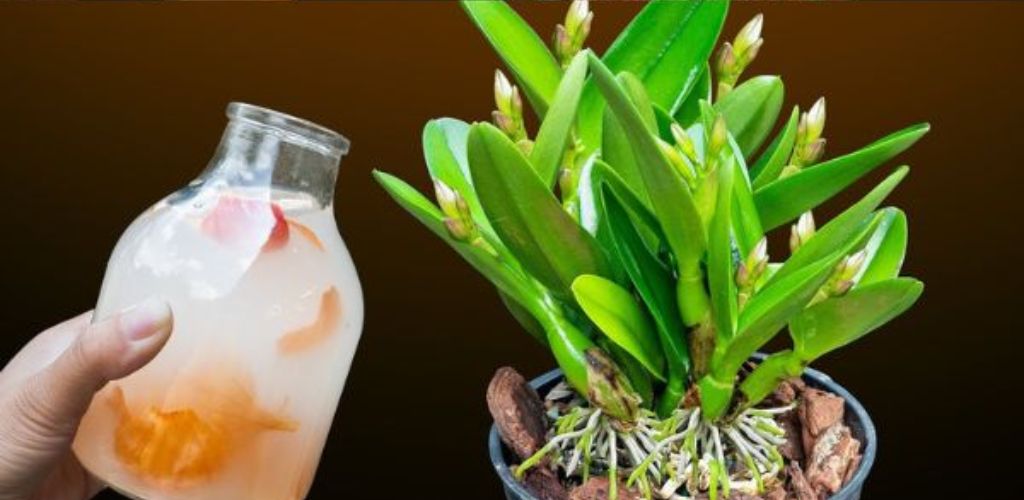
Orchids are perennial tropical flowers that are easy to grow indoors. The orchid family is the most varied and rich. It has about 25,000 species. The best known and marketed variety is the phalaenopsis orchid, also called butterfly orchid due to the shape of its flowers. Although easy to maintain, an orchid can wilt in the absence of good maintenance conditions. However, it is still possible to save it. Find out how to revive a dying orchid.
The orchid is a tropical plant that appreciates light and humidity. Although easy to care for, this flowering plant can die from lack of water or overwatering. In both cases, it is possible to revive your plant, in just a few minutes.
How to save a dying orchid?
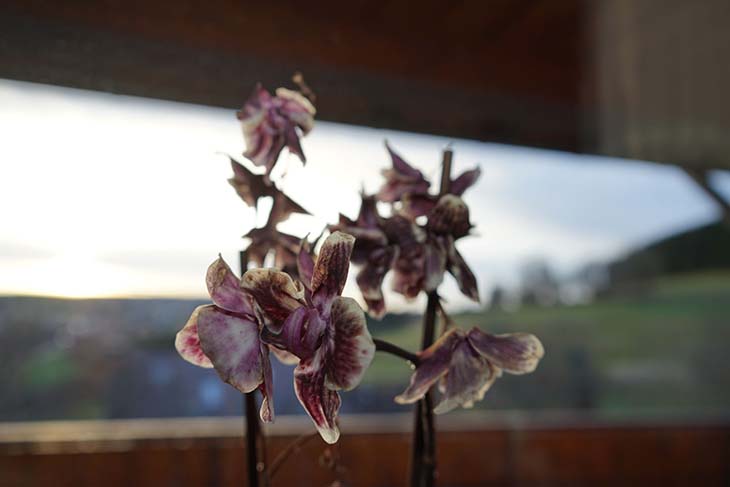
Before trying to save your orchid, it is important to define the origin of the problem. To do this, check the appearance of your plant. If the roots are rotting, it means that you have overwatered your orchid. If, on the other hand, its petals fall or its leaves turn yellow, it means that your plant is dry. After determining the cause of the problem, prune the plant to remove damaged parts, such as dry stems at the base and wilted flowers.
- Save a dried orchid
If your orchid has dried out due to lack of watering or direct exposure to sunlight, you can save it by watering it abundantly. To do this, place your potted plant in a container of water, so that the roots are completely submerged, for about 10 minutes. Thus, the roots and soil will be refreshed again. Then remove the pot from the container and let it drain.
- Save an orchid from excess water
To prevent your orchid from being overwatered, let the soil in the pot dry out first, then check the appearance of the roots, for rotten roots. These are soft, brown and can give off a bad smell. Rotten roots can turn white and then die. To revive your plant, remove it from the pot and remove any soil stuck to the roots. Using disinfected pruning shears, cut off diseased roots at the base to prevent rot from affecting the rest of the plant. Then repot your orchid into a new pot, using a potting mix made from pine bark to promote drainage. It is recommended to choose a pot that contains drainage holes so that excess water can drain after each watering. Soak your potted houseplant in a container of water to ease the shock of transplanting.
How to successfully grow an orchid?
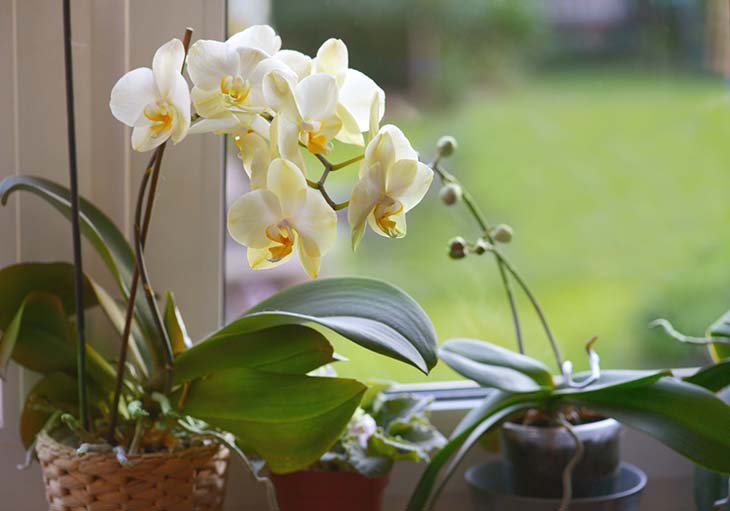
The orchid is a tropical plant that appreciates humidity. That said, don’t keep your plant near heat sources that dry out the surrounding air like the radiator. You can also mist the foliage once a day to maintain a humid environment around the plant. In addition, this flowering plant appreciates light, but fears heat. Prefer your plant in partial shade. To successfully grow your orchid, it is important to pay attention to watering your plant. As a general rule, the orchid should be watered once a week during spring and summer, and once every two weeks during fall and winter. Additionally, when the orchid enters the dormant period, it is important to space out watering. However, it is preferable, before watering your plant, to check the condition of the soil. If it is still wet, there is no need to water it. Wait until it is drier to do this. Keep in mind that orchids appreciate non-calcareous water, such as rainwater or filtered water. You should also water your tropical orchids with room temperature water, so as not to damage their root system, and be sure to remove any standing water from the saucer or pot.
To avoid excess moisture that could kill your orchid, consider placing clay pebbles in the bottom of the pot to facilitate drainage. It is best to use a transparent pot to allow the roots to catch the light. This way it will be possible to regularly check the state of the roots, to define the needs of your plant.
To promote the growth and the flowering of your orchid, you can fertilize it with a special fertilizer for orchids, without overdose. This must also be sufficiently diluted. Prefers a nitrogen fertilizer during leaf growth and a potassium-rich fertilizer during flowering. In fact, nitrogen promotes the development of the green parts of the plant, such as stems and leaves, while phosphorus stimulates the formation of seeds and flowers. Therefore, it is important to alternate between the two.
Thanks to these simple gestures, you will save your dying orchid and you will once again enjoy a beautiful flowering to brighten your interior.