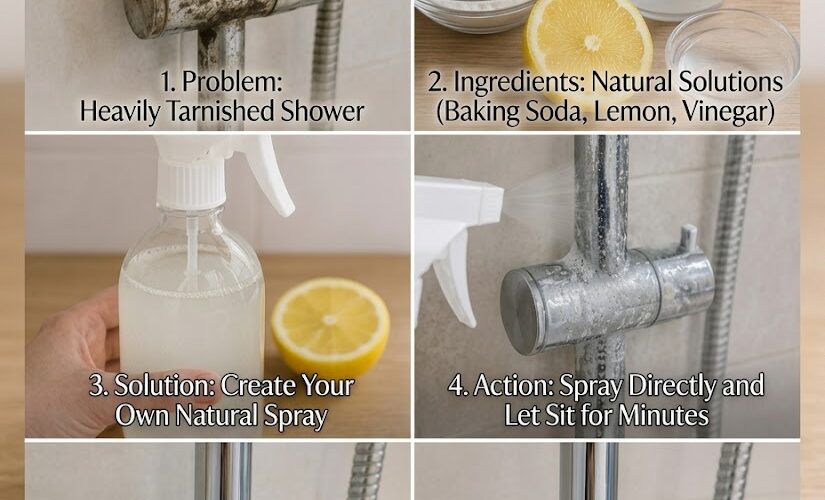
The bathroom is one of the rooms that requires the most attention and commitment to cleanliness. In particular, the shower bar creates quite a few problems. To say goodbye to mold on the slopes, there are natural remedies at almost zero cost, which can be more than useful.
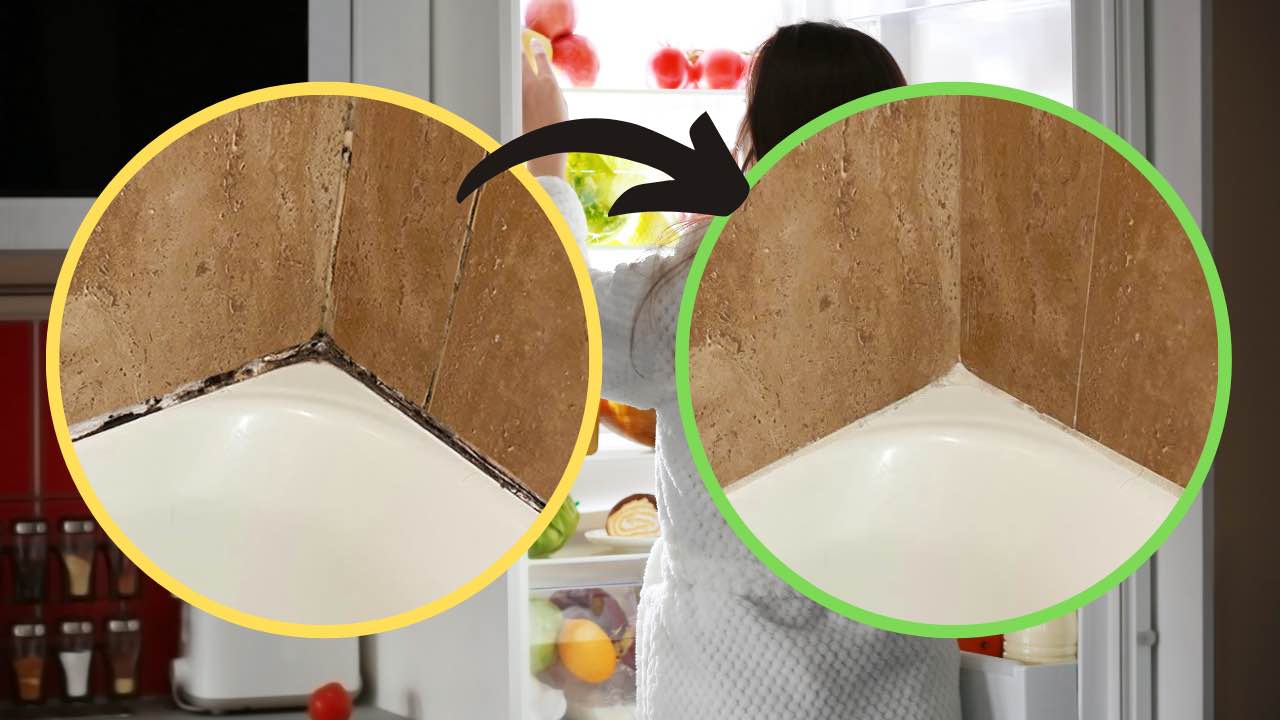
Each area of the bathroom must be carefully followed and cared for to prevent it from being absorbed by dirt.
All you have to do is neglect an area of the room that for some reason gets out of control for just a few days and that’s it. Limescale, stains, mold, cleaning the bathroom can become a nightmare.
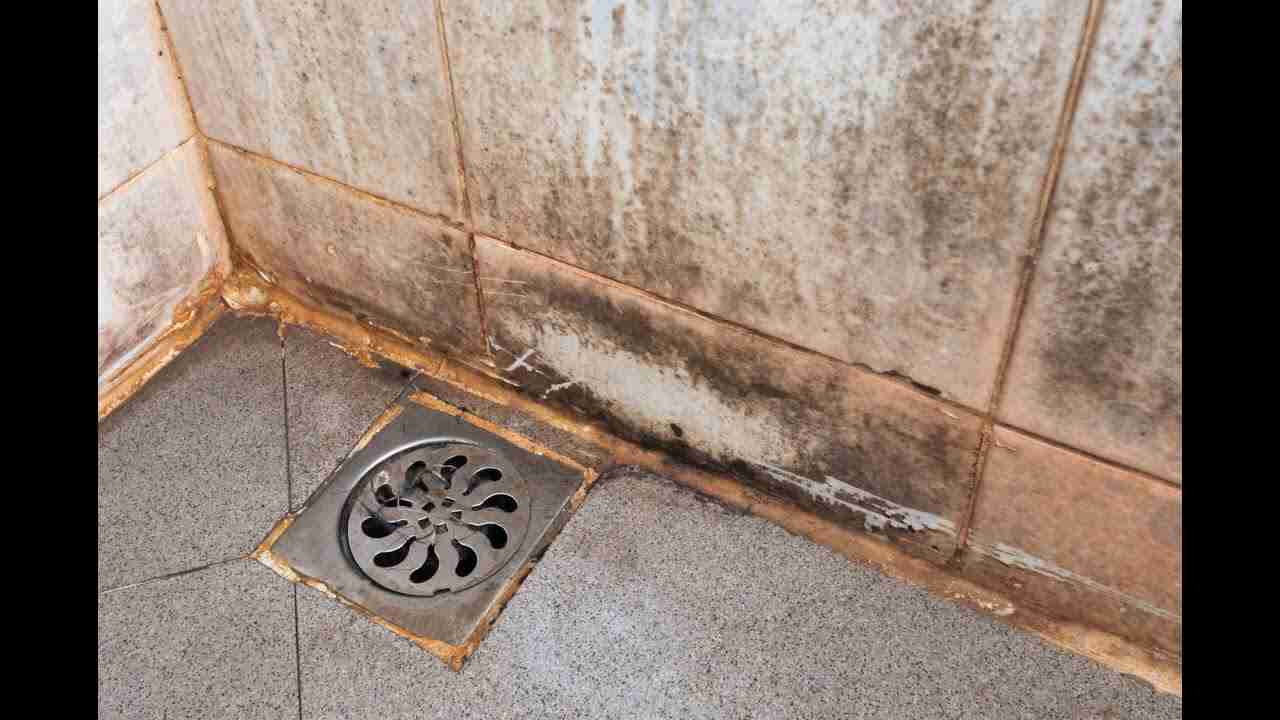
Goodbye mold in the bathroom, amazing remedies
One of the elements of the bathroom that drives us crazy the most is the shower. Cleaning it carefully is really a problem, it takes a lot of time and we are unlikely to be happy and satisfied with the result.
In particular, shower bars become a problem, as mold is easily introduced. But removing it is not so difficult, there is an easy and quick trick that will allow you to say goodbye to mold in just a few minutes, without spending too much money and without using aggressive products, harmful to health and that often even corrodes bathroom accessories.
Here’s the miraculous preparation that works in an instant.
To prepare the miracle solution you will need very few ingredients, 150 grams of citric acid, 1 liter of water, the juice of 1 lemon, 1 tablespoon of hydrogen peroxide. Lemon is one of the products that is never missing at home, we really use it for everything, to season food, to clean and degrease, to perfume and eliminate bad odors for example from the refrigerator. In short, it comes in handy on a thousand occasions.
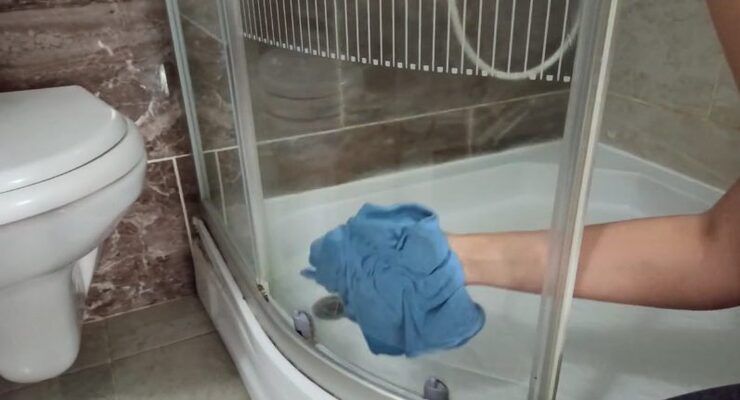
To say goodbye to mould on shower bars, just use this solution that takes advantage in particular of three exceptional products, citric acid, which is revealed as the valid natural alternative to any product, against limescale and mould .
Lemon that provides the extra touch of freshness and hydrogen peroxide that enhances the degreasing action of citric acid. This remedy is not recommended for those who have a marble or natural stone shower. While generally the hydrogen peroxide to be used is 10 volumes.
How to use the miracle solution in shower bars
To say goodbye to mold from shower bars, first dissolve the citric acid in water, then add the well-filtered lemon juice and finally the hydrogen peroxide. It is important that the solution is well mixed and that it is as one.
It is best to pour it into a spray bottle, to use it when needed without having to prepare it day by day. The cleaner is ready. To give it a little more aroma, add 6 or 7 drops of essential oil to taste. Perhaps the lemon one is better, which is already present to enhance the aroma.
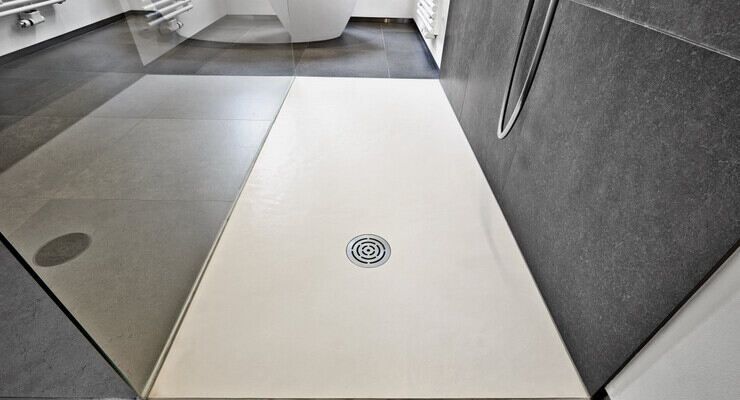
Then dampen the suitable microfibre cloths with hot water and wring them out. It is best to remove all excess water, not excessively, the cloth should remain damp. Then fold the pieces horizontally, so that they become small strips. Spray the prepared product onto the patches and place them along the shower bars.
Leave them on for about 30 minutes to ensure that the product works well. Obviously the time varies depending on the conditions of the shower. The dirtier it is, the longer it needs to be left on. Once the time has passed, remove the pieces and rub gently. In this way, excess dirt is removed. The shower will be as good as new. All without effort or crazy expenses.
Alternative remedies
In addition to this remedy, there are other effective ways that allow you to say goodbye to mold in the same way. For example, apple cider vinegar, which is widely used in the kitchen and also in the bathroom. You spray it on the lines, then wait for it to work, rub it and rinse it off.
Then comes baking soda, with which a thick paste is created, obviously adding water little by little, with the help of a non-abrasive sponge to scrub. The mix will help remove black from the tracks. Then there is Marseille soap, always effective and fragrant. It is poured over the sponge and baking soda is added to enhance the cleaning action.
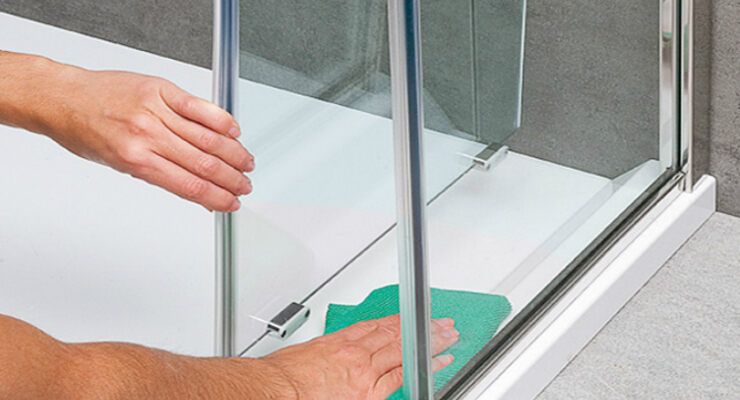
All these remedies are natural, but it is always recommended to test them on a small part of the surface first. Only at a later stage do we move on to general cleaning so as not to damage the material.