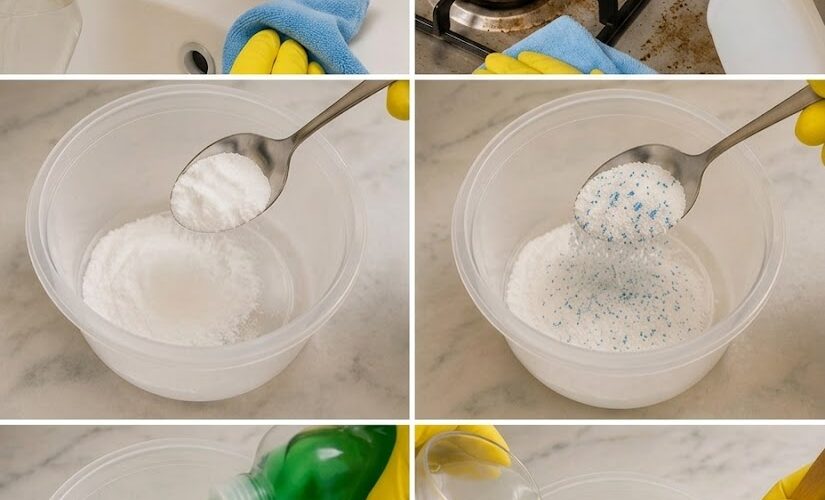
There is a natural remedy to remove both limescale from the bathroom and grease from the kitchen, especially from the oven and stove. Let’s find out which one.
Using chemicals such as bleach to remove grease and limescale often does not give the desired results.
Grease and limescale from the bathroom: how to remove them
Grease and limescale can be two real enemies for anyone who has trouble cleaning the kitchen and bathroom.
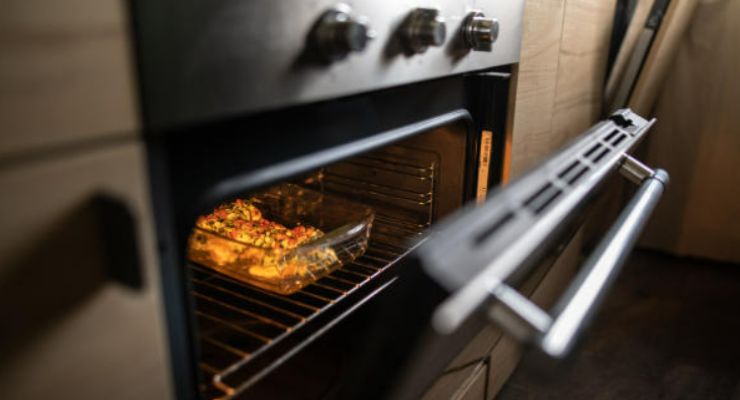
The former forms due to food residues, condiments, and dirt. It nests mostly in kitchen furniture but, above all, in the oven. Limescale, which can cover toilets and taps, on the other hand, is mainly due to the hardness of the water that is deposited when drying.
Often, to put an end to these two enemies of household cleaning, we turn to chemicals, sometimes even expensive, that promise a sparkling clean. However, sometimes, even though all the elbow grease we had available has been used, the grease and limescale are still there.
Better to save money, then, and use a miracle paste, made with ingredients that can be easily found in every kitchen. Are you ready to learn how to do it? After you have used it, limescale and grease will be very easy to remove.
How to Make Your Own Cleansing Paste
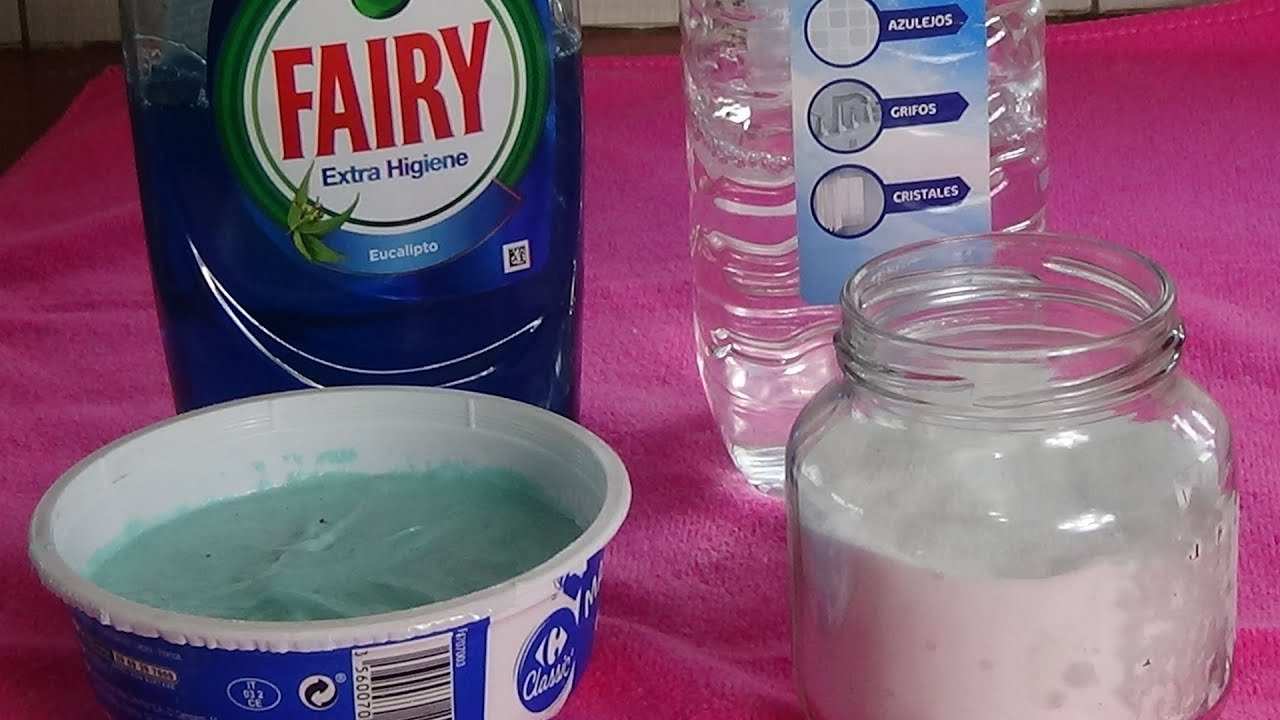
The pasta that we will teach you how to make will allow you to remove not only limescale but also grease from the oven, kitchen tiles, pots and pans. You’ll need six tablespoons of any brand of concentrated dish soap. 3 tablespoons of powdered bath cleaner; 3 tablespoons of baking soda; one tablespoon of white wine vinegar.
You’ll need a disposable container, even a recycled one, such as the plastic ricotta container bought at the supermarket. Wash the container and use it to contain the pasta we are going to make.
In a bowl, place the three tablespoons of baking soda, then three tablespoons of powdered bath detergent. The third step involves adding the six tablespoons of concentrated dishwashing liquid. Using a wooden spoon, mix the mixture. When the paste seems smooth, add the tablespoon of vinegar.
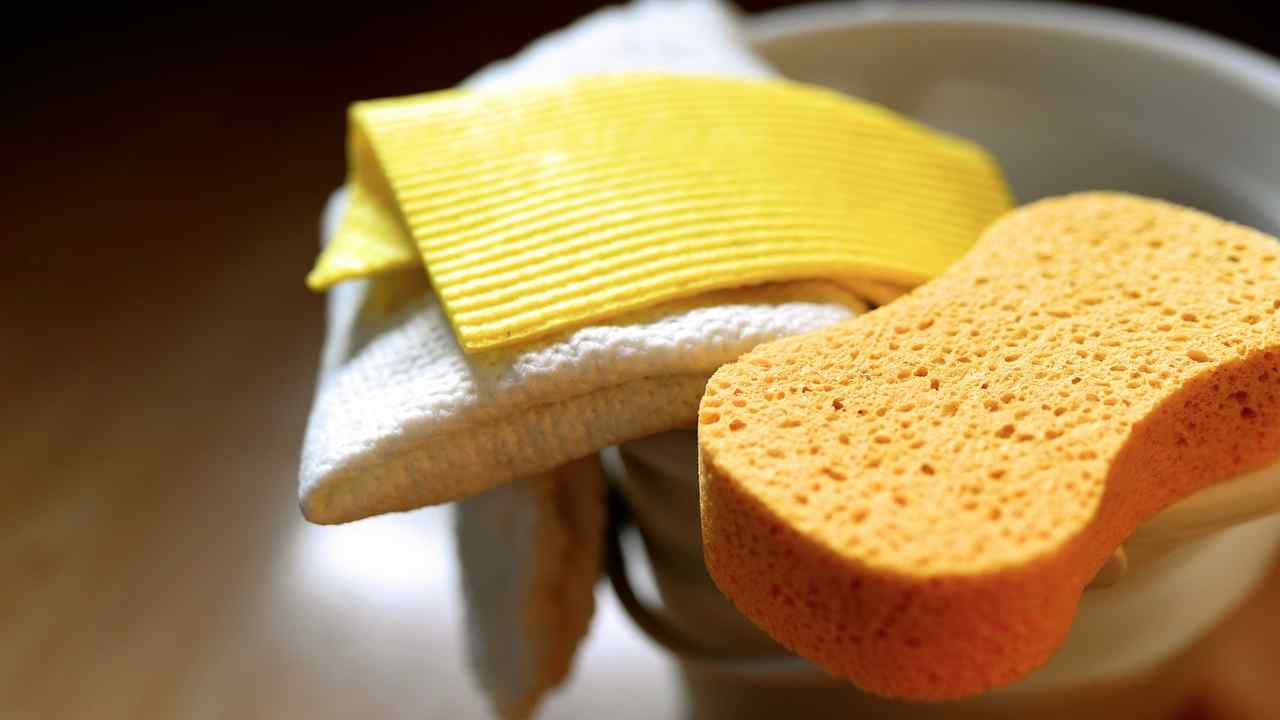
We move the compound to the container so that we can have it on hand when we need it. By putting on gloves and with the help of a sponge, we can use this paste on surfaces that need it.
To be effective, it is necessary to leave it on the surface for a few minutes and then remove it with a clean cloth and water. Especially in taps rich in limestone, depending on the type of incrustations, leave it on for longer. To be more exact, you can also use a toothbrush. Once you try this method, you’ll never stop.