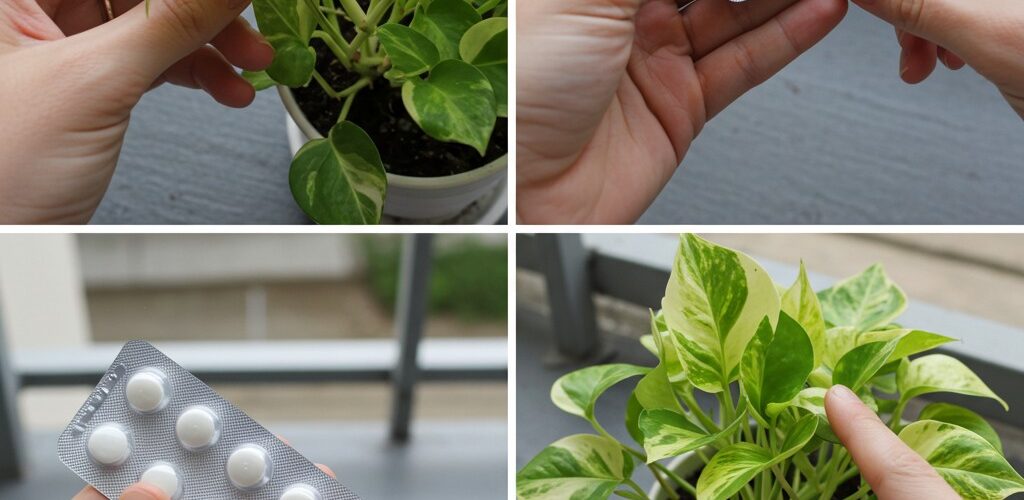
It seems that aspirin is a panacea for plants, ideal for helping them in stressful situations. Let’s discover all the benefits.
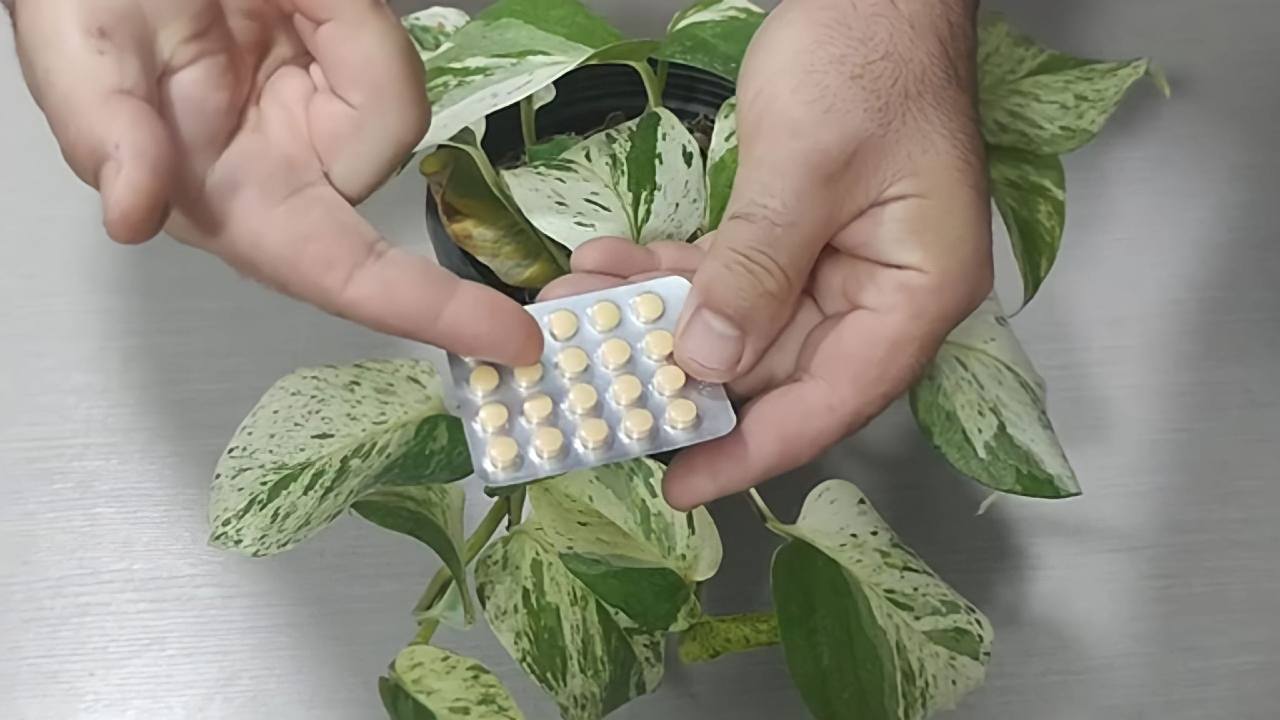
Even plants can experience stressful situations. Strong temperature variations, lack of proper care and the attack of parasites and insects can cause discomfort to our green friends. However, there is some interesting news. In fact, it seems that aspirin, the medicine we usually take for fever, headache, and cold, is also helpful for plants. How?
Why is aspirin good for plants?
The active ingredient in the base of aspirin is acetylsalicylic acid, derived from the more well-known salicylic acid. This substance is already naturally present in plants, especially in the bark of willows and other trees. In addition, plants produce small amounts of salicylic acid in stressful situations . Helping plants with more salicylic acid, therefore helping to boost your immune system.
To do this, simply water the plants with an aspirin dissolved in a liter of water. What benefits will you get? Aspirin will increase the size and yield of your plants, make them more resistant to pest and disease attacks, and promote germination. But the beneficial effects of aspirin on plants do not end there, let’s look at others.

Aspirin for cut or transplanted flowers
The salicylic acid in aspirin is a strong rooting agent. Therefore, it is of great help in the case of transplanted plants, which are under severe stress. Therefore, by spraying a solution of water and aspirin on the roots of the plant to be transplanted, you will get more resistant and stronger roots. Aspirin is also helpful in delaying the wilting of cut flowers. In fact, to make them last longer, it is enough to dissolve half a tablet of aspirin in the vase full of water in which we keep the flowers.
Grow tomatoes and protect them from fungus.
It may seem strange, but aspirin is a great ally in growing tomatoes. In fact, the drug allows these vegetables to stay healthy and allows them to grow better, protecting them from disease. To achieve this, it is recommended to spray tomato plants with a solution of water and aspirin. Alternatively, you can use the same solution to dip the tomato seeds.

What if your plants are prone to diseases and fungi? The mixture of water and aspirin is also useful in preventing these types of diseases. In addition, if applied to burnt shoots, it helps to heal them.
Side effects and precautions to take
As with all medications, improper use of aspirin on plants could cause harm, so it’s important to exercise caution. For example, plants may begin to show burn, which manifests as brown spots on the leaves. To avoid this undesirable effect it is useful to spray the solution of water and aspirin first thing in the morning. This way, the leaves will dry out before dusk and the plant will be protected from burning.
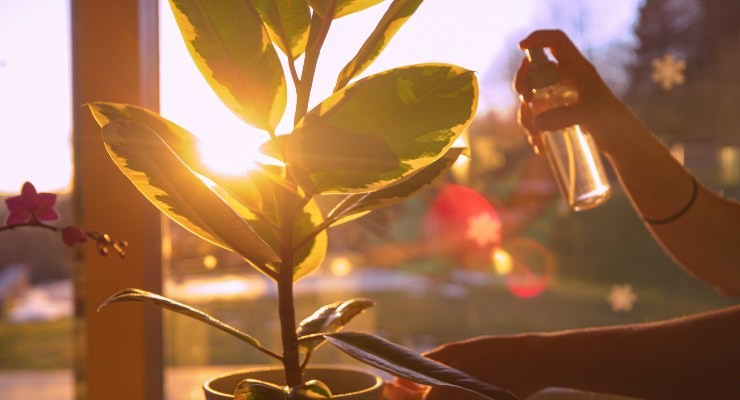
Again, watch out for bees and pollinating insects. These animals approach plants and the effect of aspirin could harm them. Therefore, in order not to stop using the drug, you can think of using it only on plants that you have at home, which therefore do not come into contact with insects. Alternatively, if you still want to use the water and aspirin mixture on plants that are outside, it’s best to get it right before the sun comes up. In fact, bees and insects often approach plants during the day, so using aspirin much earlier allows them to act.without damaging them.