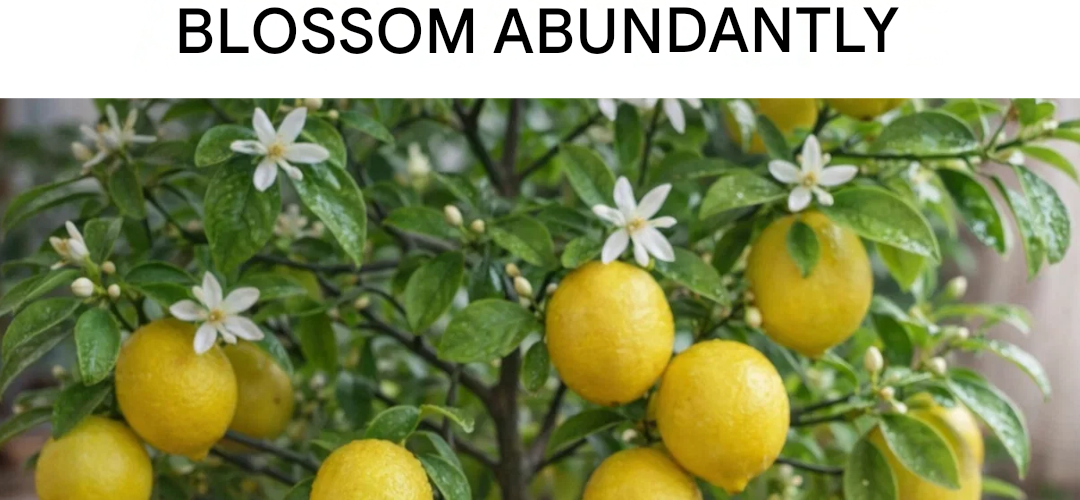
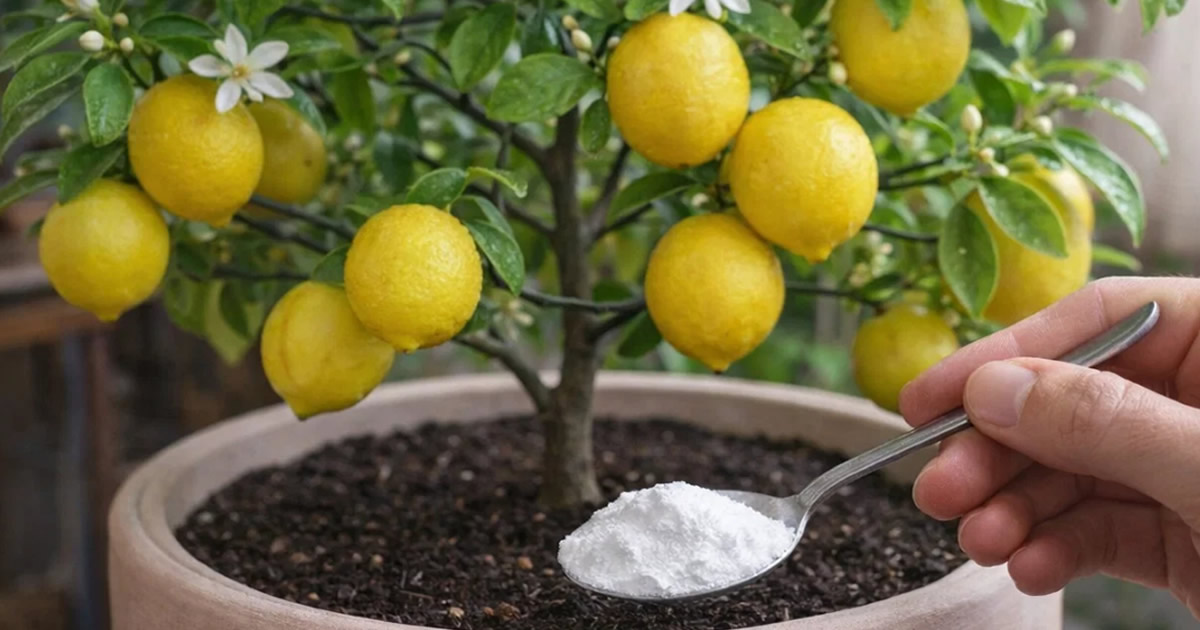
Lemon is a citrus plant that requires a constant supply of nutrients to maintain vigorous growth, good flowering, and regular fruit production. Proper fertilization is one of the key factors for plant health, along with sun exposure, irrigation, and soil quality.
In addition to commercial fertilizers, there are several natural and cost-effective solutions that can improve soil fertility and provide essential nutrients. Many of these fertilizers can be obtained from simple household waste, also contributing to environmental sustainability.
The key nutrients for lemon
Before analyzing natural fertilizers, it is important to understand what are the main nutrients that lemon needs:
- Nitrogen (N): promotes leaf growth and vegetative development
- Phosphorus (P): stimulates root development and flowering
- Potassium (K): improves fruit quality and disease resistance
- Calcium and trace elements: contribute to the robustness of the plant structure and the overall health of the plant
A deficiency of these elements can manifest itself with yellowing leaves, slowed growth or poor fruit production.
1. Banana peels: a natural source of potassium
Banana peels are one of the most effective natural fertilizers for lemon plants due to their high potassium content, a key element for flowering and fruiting.
How to use
They can be used in different ways:
- Cut them into small pieces and bury them near the roots
- Dry them and reduce them to powder to mix with the soil
- Prepare a macerate by leaving them in water for a few days
This fertilizer helps to improve fruit quality and strengthens the plant’s resistance to environmental stresses.
2. Coffee grounds: nitrogen and soil structure improvement
Used coffee grounds are particularly useful because they provide nitrogen and help improve the structure of the soil, increasing drainage capacity and the presence of organic matter.
How to use
For best results:
- Allow grounds to dry before use
- Distribute them in small amounts around the plant
- Mix them lightly with the surface soil
It is important not to exceed the quantities, as excessive use could alter the pH of the soil.
3. Eggshells: Calcium to strengthen the plant
Eggshells are a valuable source of calcium, an important element for the cellular structure of the plant and to prevent certain physiopathologies.
Preparation and application
For correct use:
- Wash the shells to remove organic residues
- Let them dry completely
- Chop them finely until you get a powder
- Spread them in the soil near the plant
The release of calcium is slow but steady, making this method particularly suitable as a long-term nutritional supplement.
4. Wood ash: potassium and essential minerals
Natural wood ash (untreated) is rich in potassium and other minerals useful for the development of the plant.
Precautions in use
It is advisable to:
- Use small quantities
- Distribute it away from the trunk
- Avoid use on already alkaline soils
Ash should be used in moderation because it can increase the pH of the soil.
Best practices for effective fertilization
To obtain concrete results, it is useful to follow some basic agronomic rules:
Fertilization period
The best time to fertilize lemon is during the vegetative stage, generally in spring and summer. During autumn and winter, fertilization can be reduced.
Frequency
Light but regular fertilization is preferable to sporadic and abundant interventions.
Watering after fertilization
After applying natural fertilizers, it is advisable to irrigate to facilitate nutrient absorption.
Plant monitoring
Constant observation of the plant allows you to quickly identify any nutritional deficiencies or overfertilization.
The use of natural fertilizers is an effective, cost-effective and sustainable solution to improve the growth and productivity of lemon plants. Banana peels, coffee grounds, eggshells and wood ash are valid alternatives to chemical fertilizers and allow you to enhance household waste materials.
Balanced fertilization, accompanied by proper irrigation and exposure management, allows for healthier, more resilient and more productive plants in the long run.
Share article
Important: This website does not give medical advice, nor does it suggest the use of techniques as a form of treatment for physical problems, for which medical advice is required. If you decide to apply the information contained in this site, you do not assume responsibility for it. The intention of the site is to be illustrative, not exhortative or didactic.