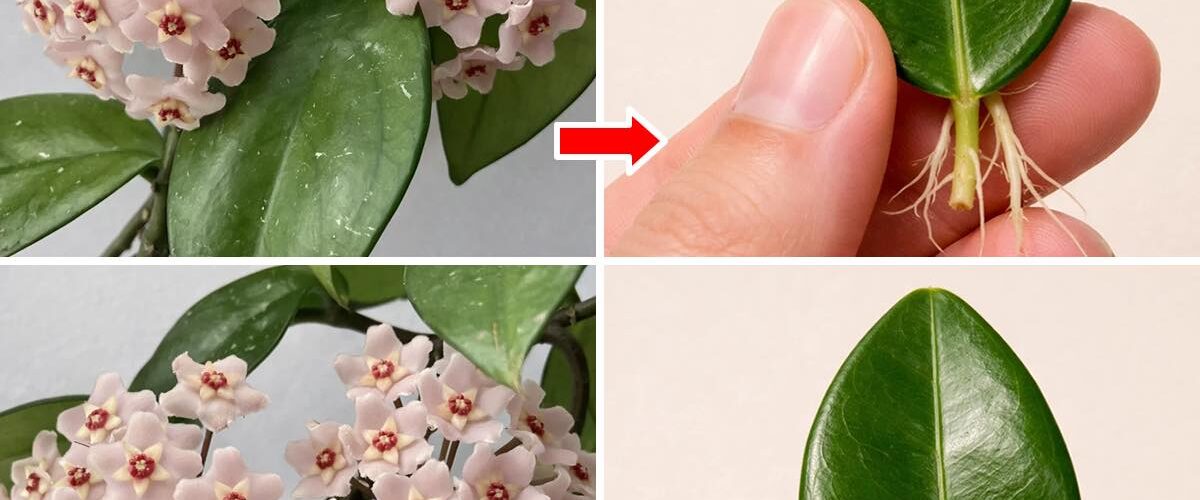
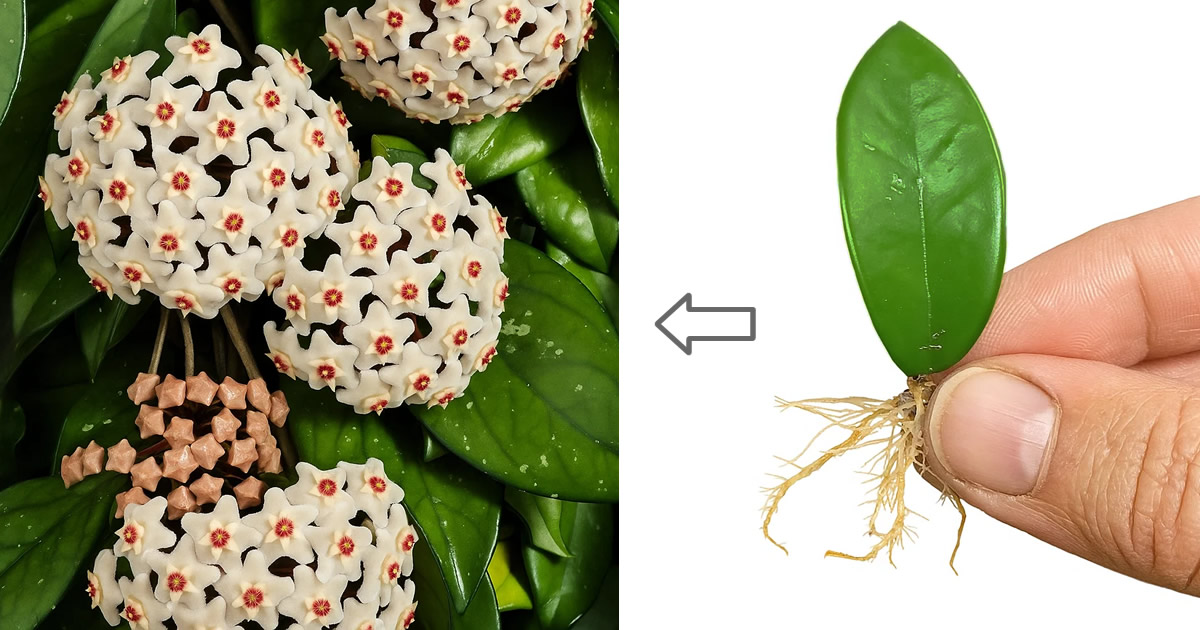
The wax flower (Hoya carnosa) is one of the most popular ornamental plants for the beauty of its waxy and fragrant flowers, which seem to be carved by hand. Growing it successfully is not difficult, but it requires some specific attention to stimulate flowering and keep it healthy all year round.
Characteristics of the wax flower
Native to the tropical regions of Asia, the wax flower is an evergreen climbing plant belonging to the Apocynaceae family. Its thick, shiny leaves resemble wax, from which the common name is derived. The flowers, collected in umbels, are generally white or pinkish with a red center, and spread a sweet scent especially in the evening.
Ideal growing conditions
Light
The wax flower loves abundant but indirect light. The ideal exposure is near a bright window, avoiding direct sunlight in the middle of the day, which could burn the leaves. Insufficient light is one of the most common causes of non-blooming.
Temperature and humidity
Being a tropical species, it prefers temperatures between 18 and 26°C and a slightly humid environment. In winter it should not fall below 10°C. If the air is too dry, especially in the apartment, it is useful to mist the leaves or use a humidifier.
Land
The substrate should be light, draining and airy, similar to that used for orchids. An ideal mixture can be composed of peat, pine bark and perlite. It is essential to avoid waterlogging that can cause root rot.
Irrigation and fertilization
The wax flower does not like waterlogging. It is best to water only when the soil is almost dry, reducing watering in the winter months. In summer, it may be useful to increase the frequency slightly, but always without excesses.
During the growing season (spring-summer) it is advisable to fertilize every 3-4 weeks with a liquid fertilizer for flowering plants, rich in potassium and phosphorus to promote the formation of buds.
Pruning and maintenance
Pruning is not strictly necessary, but it can be used to contain growth or shape the wax flower. It is important not to cut the flower peduncles, as new flowers will sprout from them in the following seasons.
Instead, remove dry or damaged leaves and regularly wipe the leaves with a damp cloth to remove dust.
Secrets to abundant flowering
- Environmental stability: The wax flower does not like to be moved. Once you have found the ideal location, it is best to leave it there.
- Slight water stress: a few weeks of sparse watering can stimulate the plant to produce flowers.
- Small vase: Surprisingly, the wax flower blooms best when the roots are a little constricted.
- Bright light: Without sufficient light, it will hardly produce buds.
Common Pests and Problems
The main threats are mealybugs, aphids and spider mites. In the event of an infestation, you can intervene with natural products such as neem oil or soft soap. Yellowing or drooping leaves often indicate too much water or too little light.
Growing wax flower is a rewarding experience: with the right care and a little patience, it will give beautiful fragrant blooms year after year. It is the ideal companion for those who love elegant but not overly demanding plants, capable of decorating the home with an exotic and refined touch.
Share article
Important: This website does not give medical advice, nor does it suggest the use of techniques as a form of treatment for physical problems, for which medical advice is required. If you decide to apply the information contained in this site, you do not assume responsibility for it. The intention of the site is to be illustrative, not exhortative or didactic.