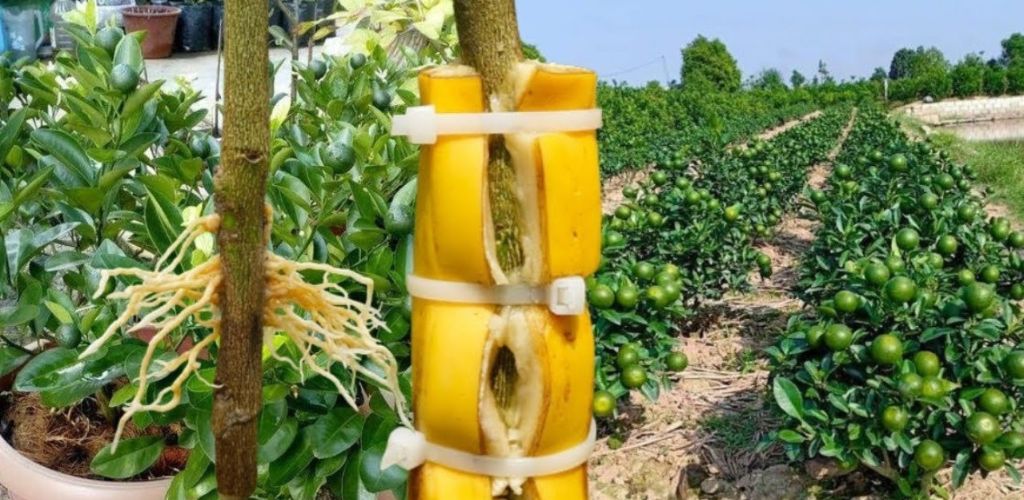
Herbal drinks have a positive effect on our health. The same infusion can also be used to fertilize plants in the garden or at home. Herbs or fruit and vegetable peels can be used to prepare infusions for the fertilization of plants, in the form of herbal teas or infusions.
You can spray them under the feet of plants to fertilize them and promote their growth as a replacement for chemical fertilizers.
We have compiled for you some tips on how to get natural fertilizers for your garden and orchards.
1. Seaweed infusion
It is mainly used by people who live by the sea and have the possibility of collecting seaweed. Otherwise, you can buy seaweed. Wash the seaweed and pour it into a bucket. Fill the bucket with water, cover it, and let it sit for two months. The result is a solution that can be diluted in water and sprayed at the base of plants to accelerate the development of flowers and fruits.

2. Infusion of vegetable peels
Put the freshly peeled vegetable skins in a bucket. Cover with boiling water and let sit overnight or up to two days. In the morning, drain, filter and use the resulting liquid to water the plants.
3. Horsetail tea
Horsetail extract can be used as an antifungal agent, but can also be used to feed garden plants. It is made from fresh or dried horsetail, just like a normal infusion. Bring a pot of water to a boil, add a small amount of horsetail, let sit for 10 to 15 minutes, and strain the mixture. Wait for it to cool before using.
4. Nettle tea
Nettle tea is prepared by infusing the entire plant or just the leaves. It can be used as a fertilizer, especially for plants such as tomatoes. Nettle infusion can be diluted and used as fertilizer for tomato seedlings starting 10 days after sowing. You can also use fresh nettle leaves, which you bury in the holes where you will transplant the seedlings.

5. Infusion of coffee grounds
It is one of the many alternative uses of coffee. Coffee infusion to fertilize plants is obtained simply by pouring a little leftover coffee (coffee grounds) into the water you will use to water. You can also sprinkle coffee grounds around the roots of the plants. The remedy is particularly suitable for azaleas, blueberries and rhododendrons.
6. Vegetable tea
Always save the cooking water for the vegetables that you have put to boil. If you want to use it to water and fertilize plants, the cooking water should not be salty. So do not add salt and season vegetables only after cooking them. Any minerals released by the vegetables will remain in the water. Let it cool, dilute it in a watering can and use the resulting liquid as a natural fertilizer for your plants.
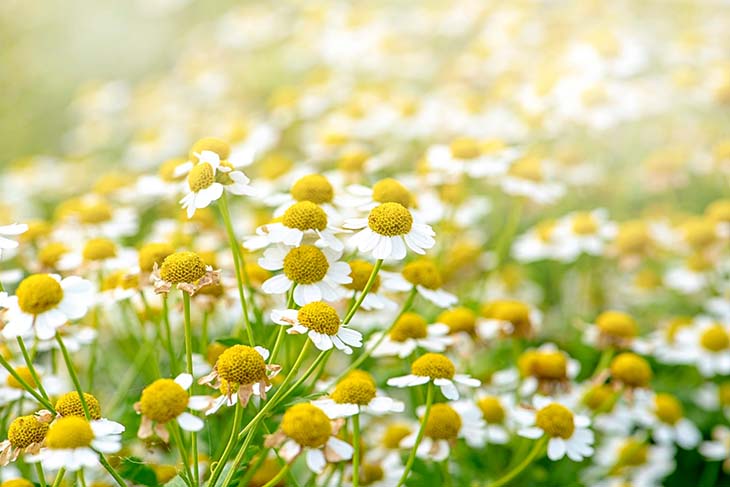
7. Chamomile tea
Chamomile tea can be used as a fertilizer for plants when making compost. Adding chamomile tea to a compost made simply of compost and food scraps speeds up the decomposition of organic waste. Therefore, kitchen scraps, compost and chamomile tea are an excellent natural fertilizer.
8. Calendula tea
Calendula infusion is useful to enhance the vigor of plants in the garden or in pots. Always prepare small quantities of infusion and use it quickly by pouring it into the soil at the foot of the plants. For example, 2 teaspoons of dried calendula are enough for 250 ml of boiling water. Leave on for 10-15 minutes and let cool before using.

9. Dandelion tea
Dandelion tea stimulates plant growth and enriches the soil. Pour two teaspoons of dried dandelion into a cup of boiling water. Leave to infuse for 10 to 15 minutes, filter and let cool. Sprinkle at the foot of the plants in small quantities, as if it were a common garden fertilizer.
10. Banana peel tea
Banana peels are an appropriate natural remedy for fertilizing roses. Cut a banana peel into small pieces and pour it into a container with a spray bottle. Fill the chosen bottle with water, cover it and let it sit for fifteen days. This allows the banana peels to ferment before using. The result is a natural liquid fertilizer that you can spray around your rose bushes to help them bloom.