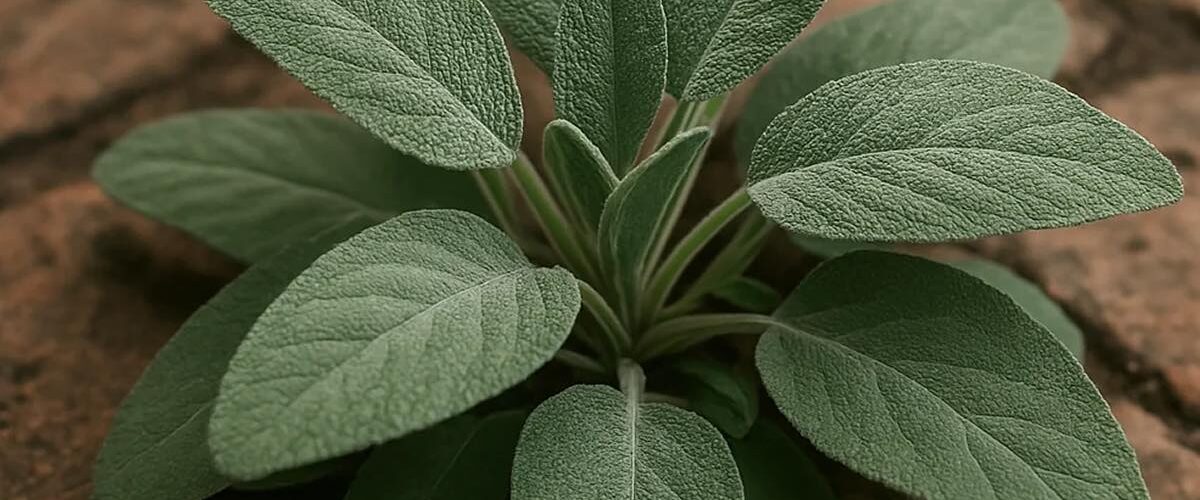
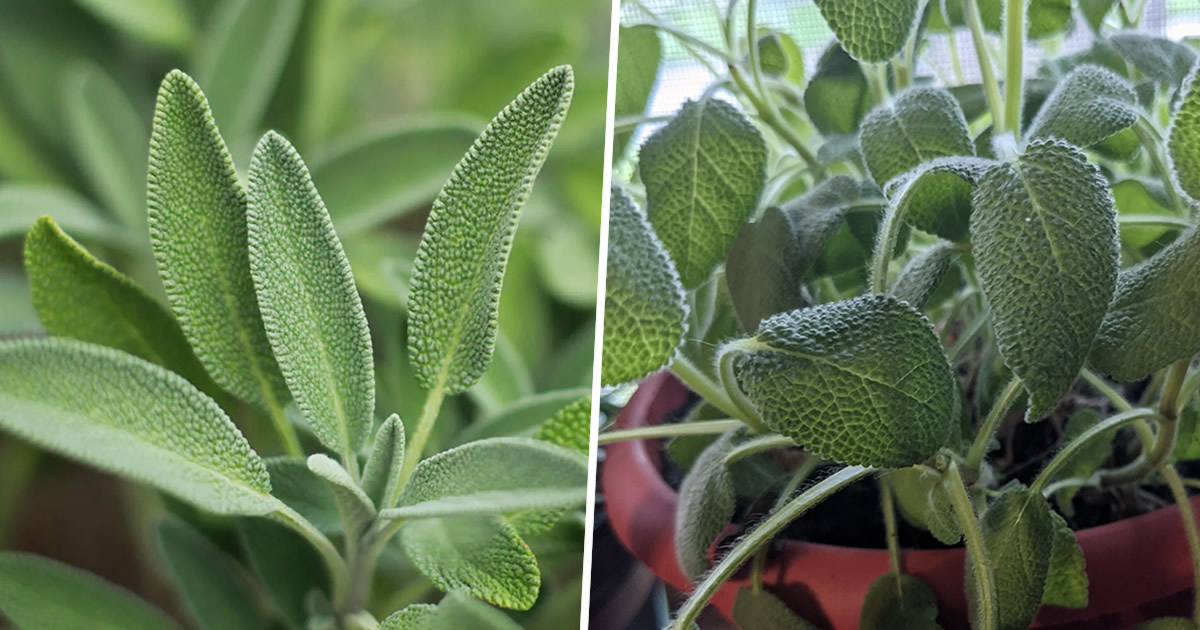
Sage (Salvia officinalis) is an aromatic plant appreciated all over the world for its many properties. Native to the Mediterranean, sage has been used for centuries in various contexts, ranging from cooking to medicine, passing through personal hygiene and crafts.
Below, we’ll explore the various uses of sage, broken down into categories, that demonstrate how potent and useful sage is, and suggest some ideas on how to use it to enjoy its benefits.
1. Use in the kitchen
- Seasoning: Sage is a versatile herb that pairs well with meats, especially pork and poultry, but also with vegetarian dishes. It is often used in fillings, sauces, and soups.
- Infusions and herbal teas: Sage leaves can be used to prepare aromatic herbal teas that aid digestion.
- Flavoring oils and butters: Infusing oil or butter with sage is a great way to enrich the flavor of many dishes.
2. Use in natural medicine
- Anti-inflammatory and antioxidant properties: Sage is rich in anti-inflammatory and antioxidant compounds that can help reduce inflammation and fight free radicals.
- Throat and mouth treatments: Due to its antiseptic properties, sage is effective in treating sore throats, gingivitis, and canker sores. It can be used in natural gargling and mouthwashes.
- Digestion support: Sage herbal tea is known for its digestive and carminative properties, helping to reduce bloating and flatulence.
- Regulation of the menstrual cycle: Sage can be used to relieve PMS symptoms and regulate the menstrual cycle.
3. Use in personal hygiene
- Natural deodorant: Due to its antibacterial properties, sage can be used as a natural deodorant, both in the form of essential oil and in powder form.
- Hair products: Sage is beneficial for oily hair and for stimulating hair growth. It can be used in rinse-off infusions or as an ingredient in shampoos and conditioners.
- Skin care: Sage infusions can be used as natural skin toners, helping to reduce acne and cleanse the skin.
4. Use in the Home
- Natural cleansing: The antibacterial properties of sage make it a great ingredient for natural cleansers. It can be used to disinfect surfaces and as an ingredient in household sprays.
- Insect repellent: Sage can be used as a natural insect repellent, either by burning it or by using its essential oil in diffusers.
- Room fragrance: Sage leaves, both fresh and dried, can be used to create potpourri or to infuse rooms with a fresh and pleasant scent.
5. Spiritual and Ceremonial Use
- Purification of spaces: White sage is traditionally used in purification ceremonies of spaces. Burning sage, a process known as “smudging,” is a ritual that is believed to help cleanse negative energy.
- Meditation and relaxation: The aroma of sage is often used during meditation and relaxation practices to promote focus and tranquility.
6. Other uses
- Natural coloring: Sage can be used as a natural dye for fabrics and yarns, producing a range of colors from green to yellow.
- Creating candles and soaps: Sage leaves and essential oil can be incorporated into handmade candles and soaps to add aromatic and antibacterial properties.
Sage is a plant with multiple applications that goes far beyond simple culinary use. From its medicinal properties to its applications in the home and in the craft, sage proves to be a real natural treasure.
Taking advantage of its many qualities can enrich our daily lives, improve our health, and contribute to a more natural and sustainable environment.
Share article
Important: This website does not give medical advice, nor does it suggest the use of techniques as a form of treatment for physical problems, for which medical advice is required. If you decide to apply the information contained in this site, you do not assume responsibility for it. The intention of the site is to be illustrative, not exhortative or didactic.