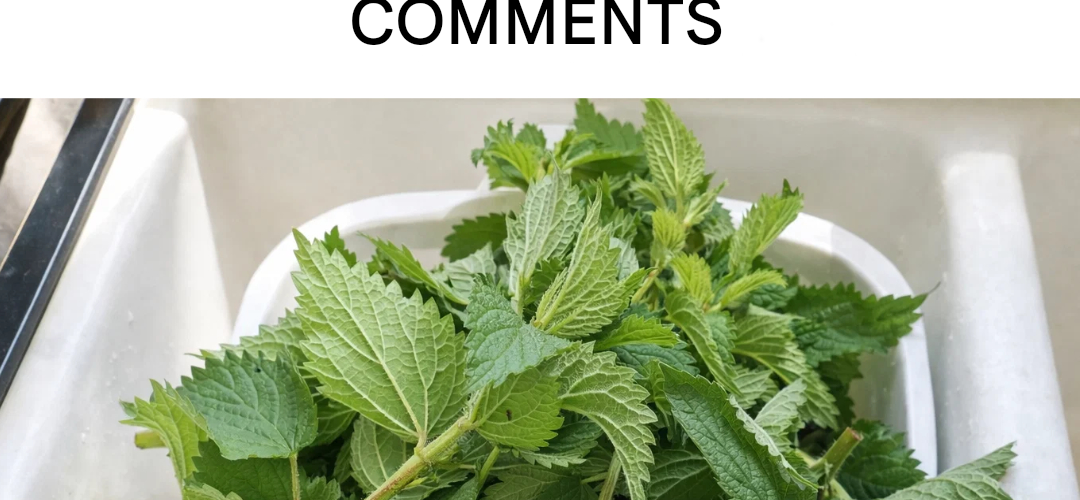
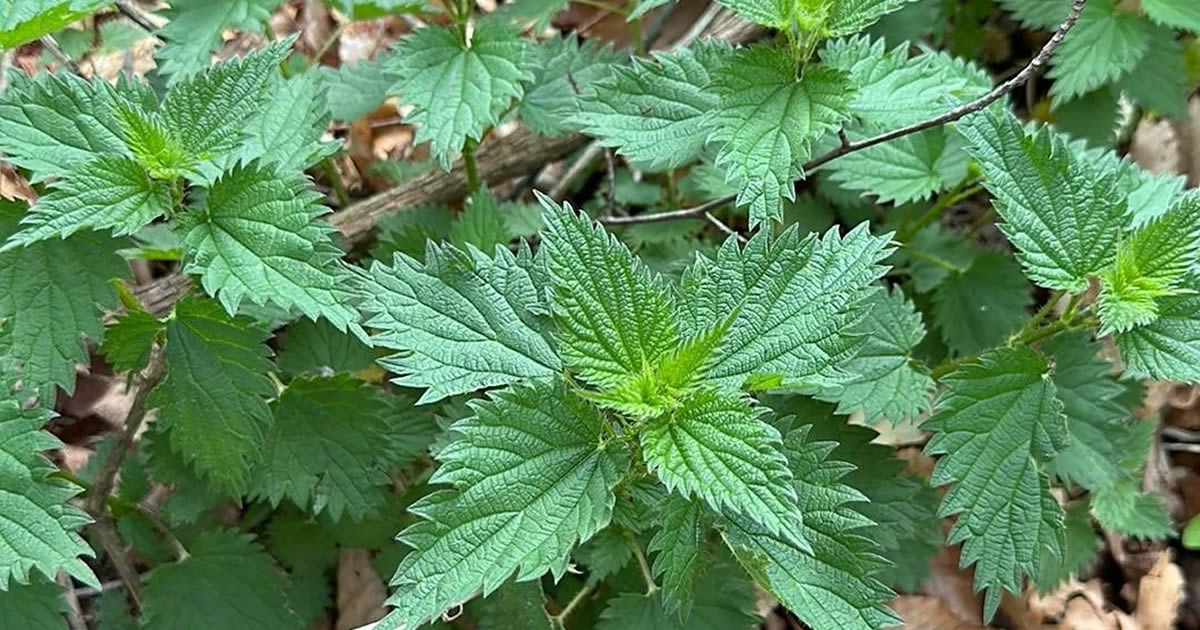
Nettle, a plant often considered an annoying weed, is actually a natural treasure rich in health, cooking, and beauty benefits. Known scientifically as Urtica urens, this plant has been used for centuries in traditional medicine and continues to be prized for its many properties.
Let’s find out together its benefits and its many uses.
Health benefits of nettle
- Rich in nutrients: Nettle is an amazing source of vitamins (A, C, K, and some B vitamins), minerals (iron, calcium, magnesium, and potassium), plant-based proteins, and antioxidants. This mix of nutrients supports the immune system, strengthens bones, and promotes overall health.
- Anti-inflammatory properties: Due to its bioactive compounds, nettle can help reduce chronic inflammation, making it beneficial for those with arthritis or other inflammatory conditions.
- Urinary system support: Nettle is known for its diuretic properties, which help to eliminate toxins from the body and prevent urinary infections.
- Regulation of blood pressure and sugar levels: Studies suggest that nettle may help reduce blood pressure and improve glycemic control in diabetics.
- Scalp stimulant: Nettle is a natural remedy for hair loss, thanks to its ability to stimulate circulation and strengthen follicles.
Uses in the kitchen
Nettle is not only healthy, but also delicious! Once cooked, it loses its stinging properties and turns into a versatile ingredient:
- Soups and soups: Nettle is often used to make nutritious and velvety soups.
- Pasta and risotto: The leaves can be added to risottos or used to create a filling for ravioli.
- Infusions and herbal teas: The dried leaves are perfect for preparing detoxifying herbal teas rich in antioxidants.
- Pesto: An alternative to the classic Genoese pesto, nettle gives a unique taste and an extra supply of nutrients.
Uses in cosmetics
Nettle is a common ingredient in many beauty products due to its purifying and strengthening properties:
- Hair shampoos and masks: Stimulates hair growth and fights dandruff.
- Skin toners: Due to its astringent properties, nettle is ideal for those with oily or acne-prone skin.
- Skin wraps: Nettle wraps can soothe skin irritations and promote healing.
How to harvest and use nettle
If you decide to harvest nettle yourself, follow these precautions:
- Wear gloves: Fresh leaves are covered in stinging hairs that can irritate the skin.
- Choose young leaves: They are more tender and rich in nutrients.
- Cook or dry nettle: These processes neutralize stinging hairs, making the plant safe to eat and handle.
Nettle is much more than just a spontaneous plant. From its health benefits to its multiple uses in cooking and cosmetics, this wonder of nature deserves a prominent place in our daily lives
Share article
Important: This website does not give medical advice, nor does it suggest the use of techniques as a form of treatment for physical problems, for which medical advice is required. If you decide to apply the information contained in this site, you do not assume responsibility for it. The intention of the site is to be illustrative, not exhortative or didactic.