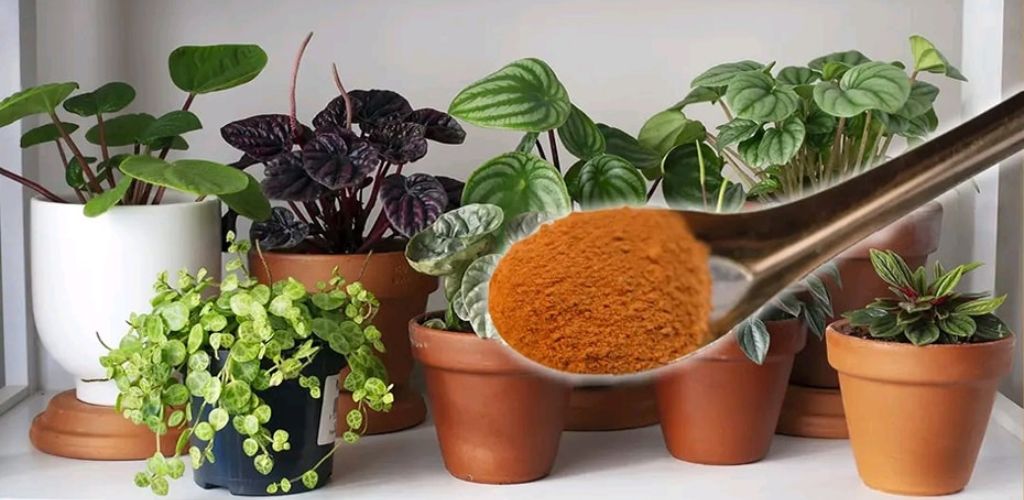
Cinnamon is a spice with many beneficial properties for our health, which is used in cooking for its delicious flavor . Cinnamon is useful for supporting digestive processes, it has antiseptic, bactericidal, anti-inflammatory, antiparasitic and antifungal properties, it helps improve the circulatory system and can reduce cholesterol levels.
But few people know that cinnamon also has excellent benefits for our plants . Adding a little cinnamon to plants can improve their health, since the spice is a natural fungicide that helps fight fungi that often weaken and make our plants sick.
Here we explain how to use cinnamon depending on the type of plant.
Seedlings : Cinnamon helps plants in the early stages of development, when the seeds are about to germinate, eliminating fungi and dust from the soil. In addition, it helps strengthen the roots of plants, stimulating root growth.
Pour a little ground cinnamon on the dry soil to prevent the appearance of fungi and strengthen the roots.
Ants : They can be a problem for our plants. Pour a little ground cinnamon to keep the ants away and protect the plants.
Damage to plants : If one of your plants has damaged the leaves or roots, placing a little cinnamon directly on the “wound” helps stimulate healing.< /span>
Mosquitoes : A pinch of cinnamon is enough to keep mosquitoes away from plants, as they can damage them.
Cinnamon is a natural and ecological product to combat mold and many plant diseases, helping them grow healthy and strong without the use of chemicals.