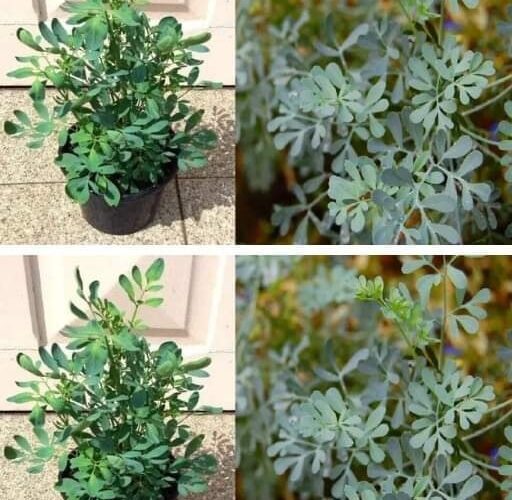
In many homes we can see a rue plant, without a doubt it is a simple and rewarding task at the same time. As it is popularly known for its medicinal properties, it is advantageous to have it, so the question is: How to plant rue at home.
To get to know it a little more about the rue plant, it is characterized by being a “perennial” shrub, ideal for decorating gardens with little care. It is a plant that belongs to the Rutaceae family, that is, extremely large plants.
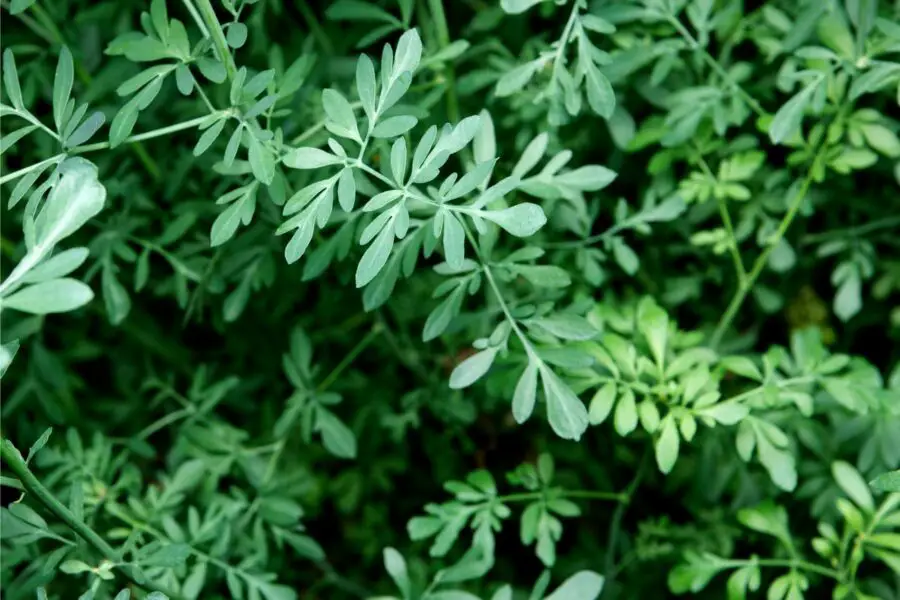
Today it is well known for its medicinal properties and as a food supplement, however you have to be careful with the amount of consumption. Remember, it can produce contractions in the uterus, in fact stimulate labor.
Among other benefits we can mention some:
- Improvement of the circulatory system.
- Sedative activity.
- Improves digestion.
- Antispasmodic effect.
Let’s see below some aspects and factors to take into account when planting rue at home:
Find out how to plant rue
It is important to know that the basic needs of the plant are simple and does not require special conditions for its cultivation, however following some tips will help us to obtain excellent productions.
Soil, substrate and water quantity
The rue plant adapts to all types of soils, although it develops best in medium soils, between sand and silt with good drainage.
In addition, organic matter benefits growth and even improves nutrient absorption. This also allows for good moisture preservation, thus producing new leaves.
With respect to irrigation, full sun and high temperatures, it is necessary to distribute the irrigation to 3 per week or 1 liter per plant.
Climate and weather
Remember that the rue plant adapts to warm environments and with good lighting, when temperatures drop it is necessary to use means of protection such as growing indoors in pots.
In case we decide to grow in pots, let’s provide them with an environment with good access to light.
Plant development
The rue plant is sown in the spring season and always observing that the temperature is not low, so we will go to the pot inside the home.
In fact, a seedbed with a transparent lid can be used to conserve the plant’s moisture and heat for the plant’s initial development.
The germination process can be accelerated through the seed in a pot, we control the substrate and constant humidity. In addition, we can change the weather conditions, i.e. by transporting the pot inside the home or outside the house.
When we observe that the plant already has the first 10 cm. of development, it is time to transplant it to the final place. We can place it in a large pot or in the garden.
Prepare a rue cut:
To achieve this, we will look for a well-formed and healthy branch. Remove the leaves from the bottom and we can place it in a vase with previously moistened substrate, it is watered 2 times a week on hot days and 1 time a week in cold weather.
When we see that the plant begins to produce the new roots, it will be ready to transplant.
Protect it from pests such as insects
Generally rue is grown around vegetables, because in this way it protects and scares away the biting insects from the leaves.
These pests can happen because they contain chemical extracts that reduce the mobility of many insects, such as whiteflies, aphids, mites, among others.
Let’s follow all these tips and recommendations to successfully plant our rue at home!
👉 Follow our page, like 👍, and share this post. Every click can make a difference—perhaps saving your own life or that of a loved one.