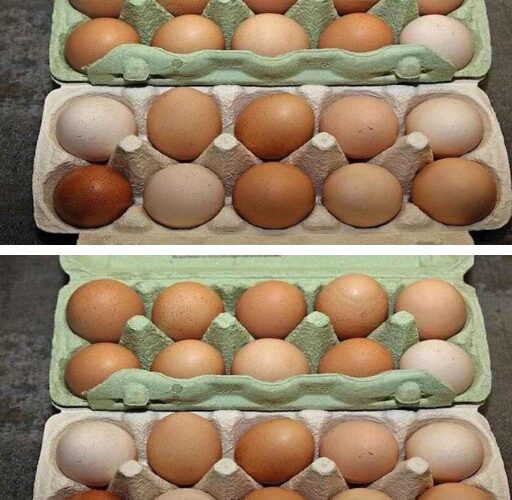
Storing eggs properly is essential to ensure freshness, flavor, and food safety. Eggs are a basic ingredient in many kitchens, and their correct preservation helps to maintain their nutritional quality.
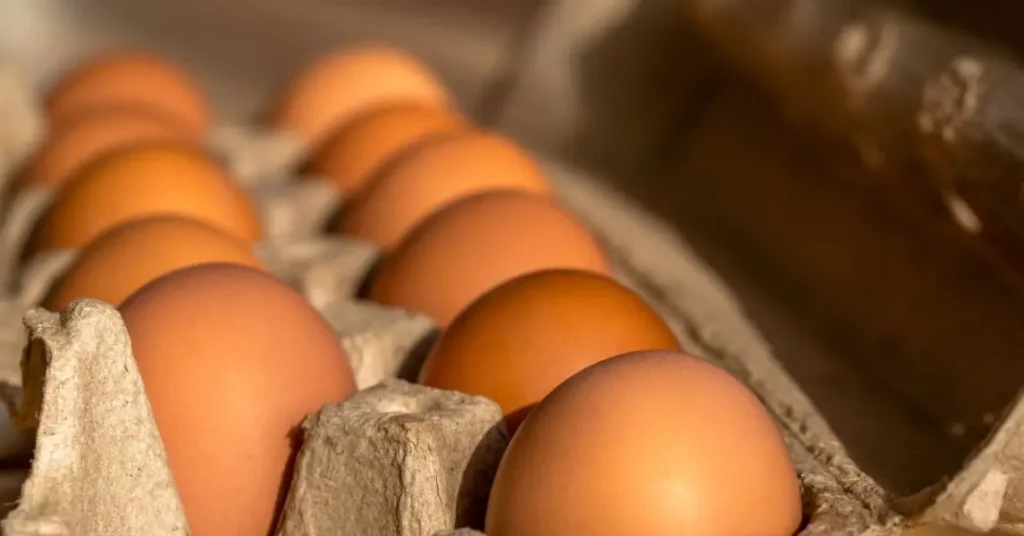
In addition, it is vital to prevent possible contamination, which is why it is so important to choose the right way to do it.
In this article, we’ll explore the best practices for storing eggs, considering factors such as temperature, humidity, and egg orientation.
Without a doubt, with proper handling, the shelf life of eggs can be extended and an optimal cooking experience can be guaranteed.
Index
Storage Method
- Store eggs tip down Skip the traditional method of egg storage. The key to extending the freshness of the eggs is to place them with the thin end towards the bottom.
This simple modification in the arrangement inside the cardboard or any other packaging can significantly extend the durability of the eggs by keeping the yolk in a central position and away from the air chamber.
Eliminates Unpleasant Odors:
Eggs, like sponges, have a tendency to absorb odors from nearby foods easily:
- To preserve their natural and delicious flavor, we suggest storing them individually or in hermetically sealed containers. This will prevent contamination by strong odors from other foods and extend the freshness of the eggs.
Keep them in the Refrigerator:
Low temperatures slow down the aging and deterioration processes, which is applicable to eggs:
- Stored in the refrigerator, where the temperature is kept at optimal levels, eggs retain their structure, flavor and nutritional value for longer periods.
In addition, the cold also inhibits the development of bacteria, especially salmonella, which can cause serious food poisoning. Therefore, the consumption of refrigerated eggs becomes even safer.
What you should avoid: DO NOT wash eggshells:
Although cleaning is essential, this rule does not apply to eggshells, which lose their protective coating during washing.
This barrier is essential to prevent harmful bacteria and viruses from entering the egg. By preserving this protective layer, we prevent dangerous infections and at the same time extend the shelf life of the eggs.
By following these simple tips, you’ll not only ensure that your eggs stay fresh longer, but you’ll also contribute to a safer and healthier diet.
Experiment with these methods and see the difference in preserving the quality of the eggs you bring home.