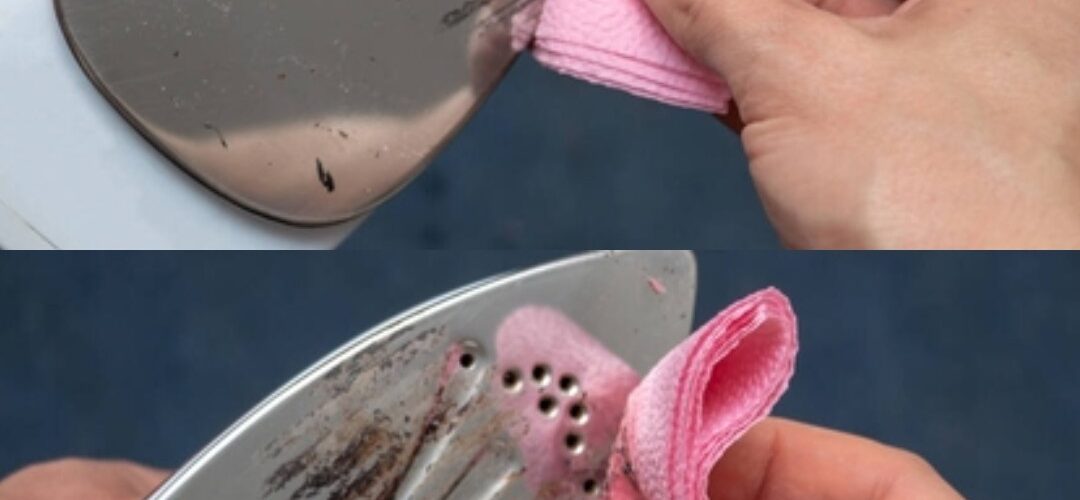
Black spots on the base of the iron and tartar buildup inside it can be a real headache. Not only do they ruin our favorite garments, but they also affect the performance of the iron.
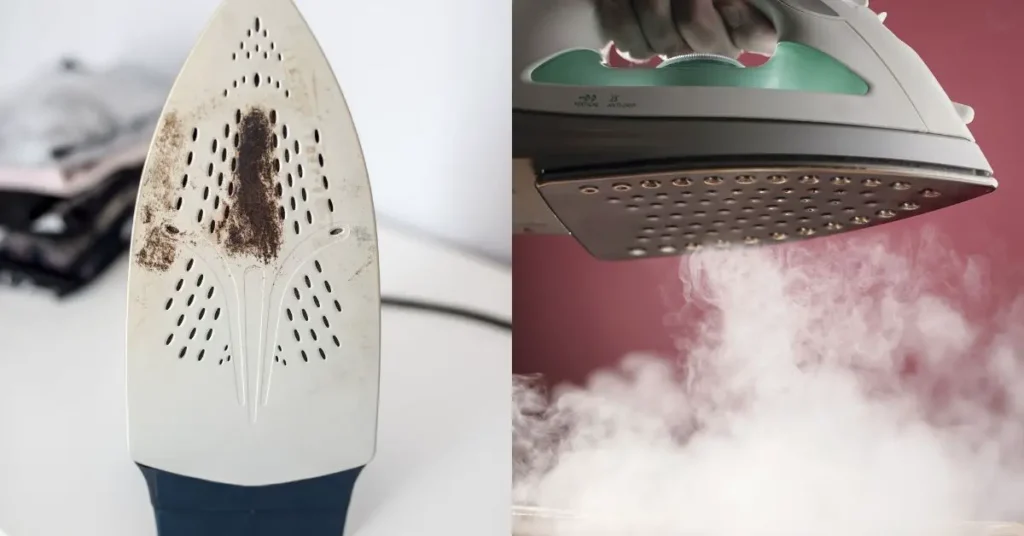
However, you don’t need to resort to expensive chemicals or specialized tools to solve this problem. With a few simple tricks and products that you surely have at home, you can have your iron looking like new in a matter of minutes.
How to clean your burnt iron and remove built-up scale in seconds
Pay attention to the following steps, to leave your iron as good as new:
1- Internal cleaning with vinegar
- The first step to getting your iron back is to clean the inside, removing any scale residue or accumulated dirt.
- To do this, fill the iron reservoir with white vinegar, a natural and effective cleaner. Make sure to fill the tank to its maximum capacity and select the maximum power on the iron.
- This adjustment will ensure that the vinegar reaches its maximum effectiveness in breaking down the internal scale deposits.
2- Steam action to expel dirt
- Once the vinegar is in the reservoir and the iron is at full power, place the iron on an old rag, preferably one that you no longer use, as it can get dirty.
- Activate the steam button repeatedly as you slide the iron over the rag. This step is crucial, as the steam, combined with the vinegar, will help to dissolve and expel dirt, especially the scale that tends to build up in the steam vents. You will see how, little by little, the dirt begins to come out and settles on the cloth, leaving the inside of your iron clean and free of obstructions.
3- Removal of black stains on the base of the iron
For annoying black stains on the base of the straightener, the following trick will surprise you with its effectiveness.
- With the hot iron, take an ibuprofen or paracetamol pill in your hand. Very carefully, rub the tablet directly onto the stains on the base of the iron. If possible, use a silicone glove so as not to burn yourself.
- The tablet will melt slightly on contact with heat, creating a kind of polish that will remove stains. It is important to carry out this process with gentle and continuous movements until the surface is completely clean.
You will notice how the stains disappear and the base of the iron regains its original shine. By following these tips, you will keep your iron in perfect condition and prevent the base from staining, ensuring a clean and efficient ironing with each use.
Tips for staining the base of the iron
Keeping the base of the iron clean and free of stains is essential to ensure efficient ironing and to prevent your garments from being damaged. Here are some practical tips to prevent the base of your iron from staining:
1. Adjust the temperature appropriately: Each type of fabric has a recommended temperature level. Always use the correct settings for the type of material you are ironing. Using too high a temperature on synthetic fabrics can cause them to melt and leave residue on the base of the iron.
2. Use distilled water in the reservoir: Tap water can contain minerals that, when evaporated, leave residue at the base of the iron. Using distilled water reduces the risk of scale buildup and stains.
3. Clean the iron regularly: Do a regular cleaning of the base of the iron, even if you don’t see visible stains. A soft cloth with white vinegar or a mixture of baking soda and water will keep the surface clean and prevent residue buildup.
4. Use a protective cloth: If you are ironing delicate or synthetic fabrics, place a thin cloth or cotton cloth on the garment before ironing. This will protect both the garment and the iron base from any material transfer.
4. Avoid contact with zippers and buttons: When ironing garments with zippers, buttons or any other metal accessory, be careful not to run the iron directly over these elements, as they can scratch the base and leave residue.
6. Don’t use abrasive products: When cleaning the iron, avoid products that are too abrasive, such as metal scouring pads or harsh chemical cleaners. These can damage the coating on the base of the iron and make it more prone to staining.