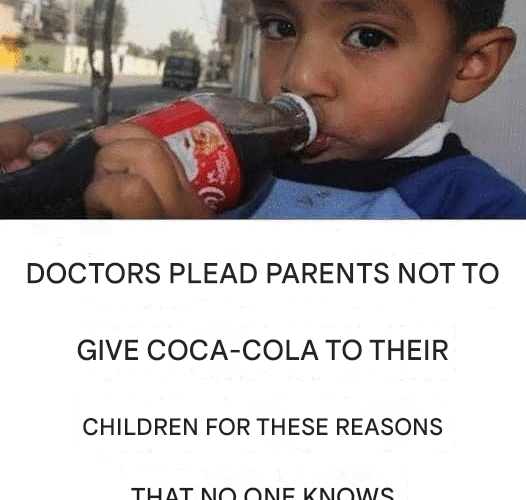
Sugary drinks like Coca Cola have become part of many families’ daily lives, but it’s easy to underestimate the impact they can have on children’s health. These drinks are not only delicious and addictive due to their high sugar and caffeine content, but their regular consumption can generate a dependence that is difficult to break.
The combination of sugar and stimulants affects children’s neurological and metabolic systems, causing them to want more, making the cycle difficult to stop. Below, we’ll explore the dangers these drinks pose to children and how we can help them reduce or eliminate their consumption.
The dangers of children drinking Coca Cola
1. Excess sugar and risk of obesity
A can of Coca Cola contains more sugar than the recommended daily amount for a child. Regular consumption of large amounts of sugar not only increases the risk of childhood obesity, but also increases the likelihood that children will develop weight-related diseases, such as type 2 diabetes. Sugar is not only stored as fat when not burned, but it also alters insulin levels in the body, leading to long-term metabolic problems.
2. Dental damage
The sugar and acids present in Coca Cola are highly harmful to teeth. These components erode tooth enamel, leaving teeth more susceptible to cavities and other oral diseases. In children, whose teeth are developing, this damage can be faster and more severe.
3. Concentration and hyperactivity problems
Caffeine, present in Coca Cola, is a stimulant that can negatively affect the nervous system of children. In small doses, it can cause agitation, difficulty concentrating, and even affect sleep. Many parents are not aware that their children may be consuming caffeine through these drinks, leading to behavioral problems, irritability, and hyperactivity.
4. Affects bone health
Coca Cola contains phosphoric acid, which can interfere with the absorption of calcium in the body. For children, who are in the growth stage, calcium is crucial for proper bone development. Excessive consumption of this beverage can lead to bone weakening and increase the risk of fractures as bones do not reach their proper density.
5. Risk of addiction and dependence
The high sugar and caffeine content in Coca Cola can lead to addiction in children. The combination of these ingredients stimulates the release of dopamine in the brain, which produces a temporary feeling of pleasure. In the long term, children may become dependent on this drink, constantly seeking more to get the same effect, making it difficult to reduce their consumption.
Tips to help our children quit Coca Cola
1. Offer healthy alternatives
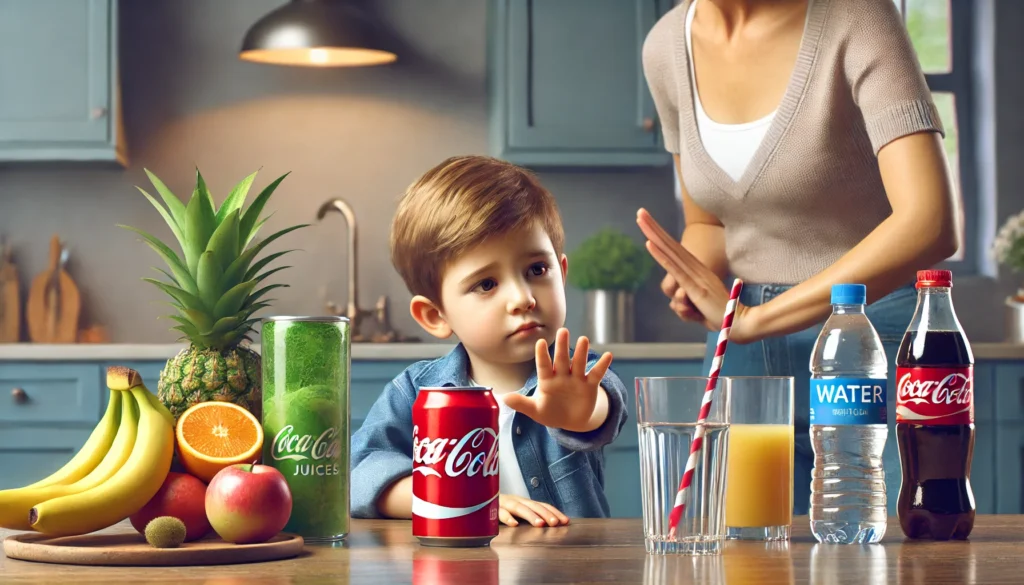
One of the best ways to reduce your Coca Cola consumption is to offer healthier and more appealing options for children. Naturally flavored waters, natural juices with no added sugar, or even cold fruit infusions can be great substitutes. Teach them that water is the best option for hydration.
2. Make a gradual transition
If your child is used to drinking Coke every day, cutting it out all at once can be difficult. Make a gradual transition, reducing the amount you drink and alternating with healthier drinks. In this way, the body gets used to less sugar and caffeine without the child feeling deprived.
3. Involve your children in the process
Get your kids involved in choosing healthier alternatives. They can help you make fruit water, homemade lemonades, or fruit smoothies. When kids feel part of the process, they’re more likely to enjoy the new options and be less inclined to ask for soda.
4. Set clear rules at home
It’s important to set clear boundaries on when and how much soda they can consume. You can create rules that prohibit soda during meals or school days. Over time, this will help reduce the desire to consume Coca Cola on a regular basis.
5. Educate your children about the negative effects
Teaching children about the impact Coca Cola has on their body can be very effective. Explain to them, in an age-appropriate way, how too much sugar affects their health, teeth, and energy. When they understand the reasons, they are more likely to want to reduce their consumption.
Eliminating or reducing Coca Cola from children’s diets will not only improve their physical health in the short and long term, but will also encourage lifelong healthy habits. As parents, we can help our children make better choices by teaching them to enjoy healthier alternatives and limiting their access to these addictive beverages.