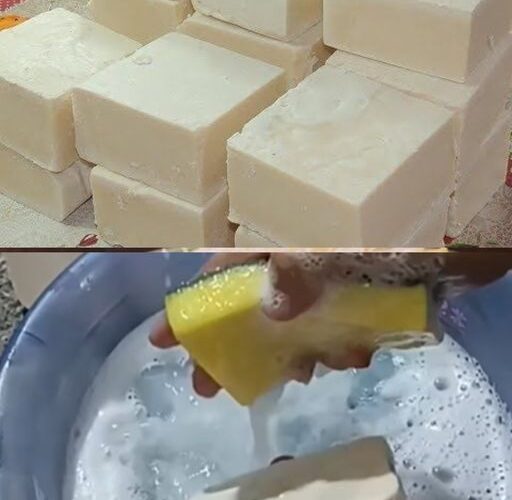
Ingredients
In times when we’re looking for more sustainable and economical ways to take care of our homes, making homemade soap has become an attractive alternative. It not only saves money, but also allows us to reuse and give a second life to products that would otherwise be discarded, such as used cooking oil.
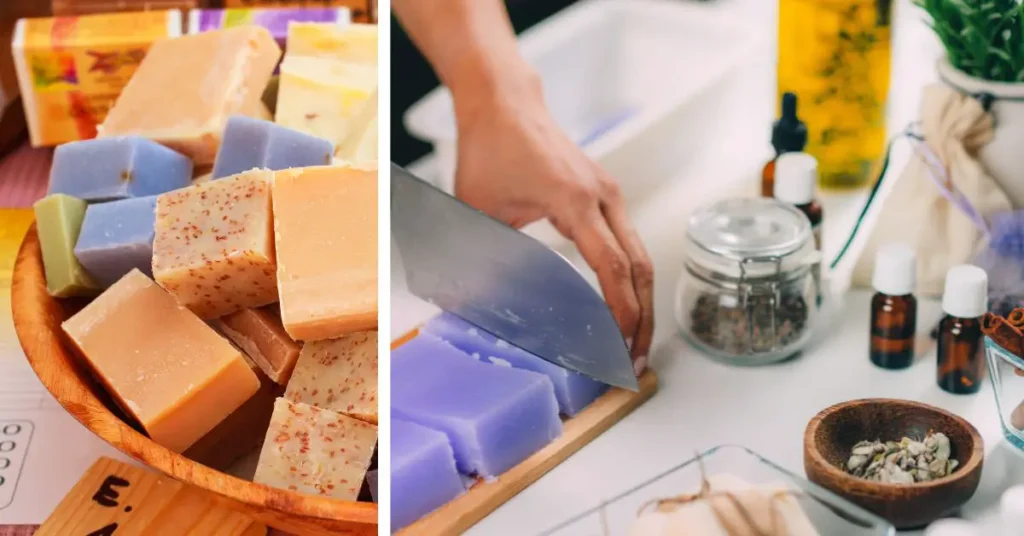
This traditional recipe is ideal for those who want a natural product, free of harsh chemicals and customized to their preferences.
With this simple recipe, you can create an effective soap with just 3 basic ingredients, plus some optional ones to enhance its fragrance and appearance.
- 1 liter of Oil (preferably used and filtered).
- 140 gr of Caustic Soda (99%) .
- 140 ml of water (to dissolve the soda).
- 150 ml of Disinfectant (optional, to provide fragrance and bactericidal action).
- Colorant (optional, to give color to the soap).
Necessary elements:
- Heat-resistant container (preferably stainless steel or heavy-duty plastic).
- Wooden spoon or hand mixer.
- Silicone molds or a container to pour the mixture into.
- Protective gloves and glasses.
- Well-ventilated place to work.
Steps for preparation
- Preparation and Safety : Before you begin, be sure to wear protective gloves and eyewear, as caustic soda is corrosive. Perform the process in a well-ventilated area.
- Dissolving the caustic soda : In a heat-resistant container, pour the 140 ml of water and, very carefully, add the 140 grams of caustic soda little by little, stirring until completely dissolved. Remember to add the soda to the water, not the other way around, to avoid dangerous reactions.
- Add the oil : Let the lye solution cool slightly. Then, slowly add the liter of oil, stirring constantly to combine the ingredients.
- Add the disinfectant and colorant (optional) : If desired, add 150 ml of disinfectant to give the soap fragrance and antibacterial properties. You can also add a few drops of colorant to customize the soap’s appearance.
- Stir until thickened : Continue stirring until the mixture reaches a thick, pudding-like consistency. This process may take 30 to 60 minutes.
- Pour into molds : Once the mixture has reached the right consistency, pour it into silicone molds or a large container.
- Let it set : Allow the soap to sit in the molds for 24 to 48 hours to harden.
- Cutting and Curing : After the soap has hardened, remove it from the molds and cut it into pieces. Let it cure for 4 to 6 weeks in a dry, ventilated place before using.
Additional tips:
- Additional scent : You can add essential oils such as lavender, eucalyptus or lemon to intensify the fragrance.
- Natural exfoliants : If you want an exfoliating soap, incorporate ingredients such as oatmeal, ground coffee, or sea salt during the mixing process.
- Alternative oils : Olive or coconut oil can also be used for a milder soap, although they may alter the final texture and hardness.
With this recipe, you can enjoy homemade soap tailored to your preferences, with affordable ingredients and options to customize it to your needs!