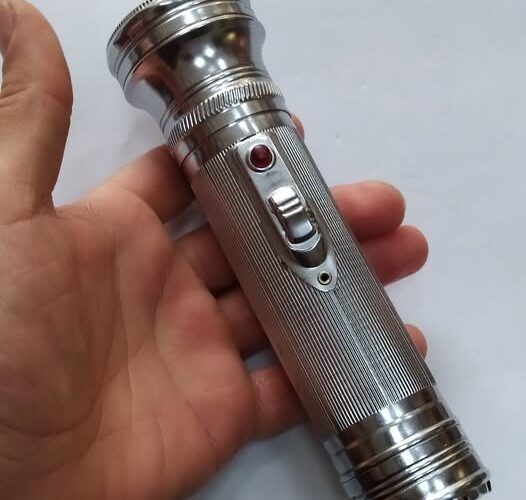
Do you have an old aluminum lantern cornered at home? Before thinking about discarding it, it is important to consider that it can have enormous sentimental, decorative or even practical value. These lanterns, often robust and full of history, can be transformed with a little creativity and effort, becoming unique and functional pieces.
In this article, we’ll explore how to give them a second life, either through restoration or reuse. Don’t throw anything away, RECYCLE AND RESTORE!
Restore options based on your state
The first step in refurbishing an aluminum lantern is to identify its current condition. Is it damaged, rusty, or just plain old? Here we give you solutions according to the problem it presents.
1. Problem: Rust or corrosion
Antique aluminum lanterns, if not well cared for, can develop rust or corrosion stains, especially if they have been exposed to moisture.
Solution:
- Cleaning with vinegar and baking soda:
Mix a paste with these two ingredients, apply it to the affected area, and rub with a soft-bristled brush. This will remove surface rust. - Polishing with fine steel wool:
If rust persists, use steel wool to soften the stains. Wipe off the remains with a damp cloth.
Bonus tip: Apply a protective sealant after cleaning to prevent future corrosion problems.
2. Problem: Damaged electrical system
Over time, the internal system of flashlights can deteriorate, causing them to not function properly.
Solution:
- Electrical circuit replacement:
Purchase a flashlight refurbishment kit available at electronics stores. These kits include modern LEDs that offer greater brightness and lower consumption. - Using rechargeable batteries:
Opt for current batteries instead of old ones, which are often hard to come by.
Bonus tip: Retrofitting your electrical system can increase both the functionality and efficiency of your flashlight.
3. Problem: Worn or scratched surface
Aluminum can lose its luster over time, developing scratches and dullness.
Solution:
- Deep clean:
Use warm soapy water and a soft cloth to wipe the entire surface. For deeper scratches, try a metal polisher. - Polishing with specialized paste:
There are pastes designed to restore the shine to metals. Apply it with a cloth and rub in circular motions.
Bonus tip: If you prefer a matte finish, use a fine sandpaper to gently sand the surface.
4. Problem: Damaged glass or exterior parts
If the glass is broken or the plastic outer parts are deteriorated, a replacement may be necessary.
Solution:
- Glass replacement:
Look for similar glass at parts stores or online. If you can’t find it, consider using clear acrylic as an alternative. - Plastic renewal:
For plastic parts, sand them lightly and apply a special plastic paint that mimics the original color.
Bonus tip: Consider customizing the glass by painting it with a color effect, such as a warm yellow tint.
5. Problem: Lack of aesthetics or outdated design
Sometimes the flashlight can work well, but its design doesn’t fit in with a modern style.
Solution:
- Spray paint:
Use metal paint in bold or trendy colors. Matte black, gold, and brushed silver are popular choices. - Add decorative details:
You can glue small metal plates, ropes or leather to give it a vintage or rustic style.
Bonus tip: Try painting it with a unique pattern, such as camouflage, stripes, or geometric patterns.
General Tips for Restoring Old Flashlights
- Do your research before you act: If your flashlight is a collector’s item, consult with an expert before making modifications that may reduce its value.
- Work in a well-ventilated place: Especially if you use chemicals or paint.
- Do it yourself with caution: Wear gloves and goggles if you work with abrasive tools or products.
- Be patient: Restorations take time, but the results are worth it.
Giving a new life to an aluminum lantern is not only rewarding, but it also contributes to sustainability by preventing a functional object from ending up as waste.