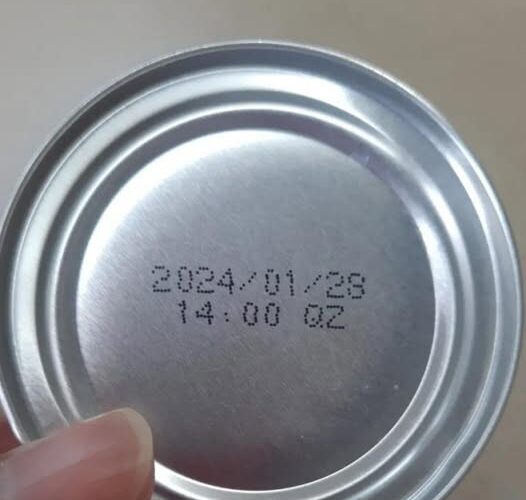
Have you ever found yourself staring at a bottle of milk or a package of chicken, wondering if it’s still safe to consume even though the expiration date has passed? You’re not alone. Expiration dates on food can seem like a confusing conundrum, leading many to throw away good products just because the date on the packaging has expired.
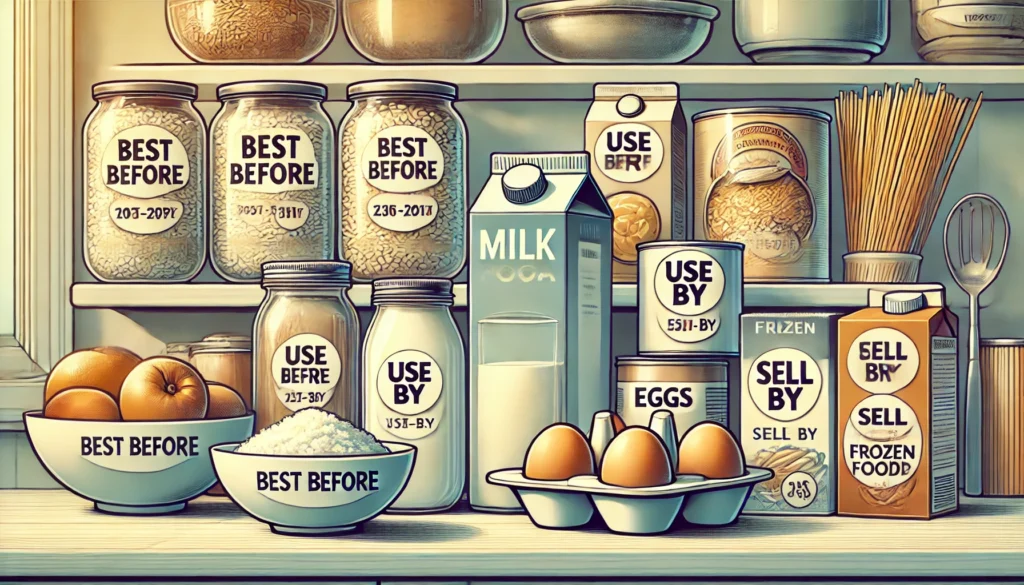
Understanding these dates is essential not only to avoid waste, but also to make informed decisions that benefit both your budget and the environment.
The mystery behind expiration dates
Expiration dates appear on almost all the products we buy and are presented in various ways:
- “Best if consumed before”: It indicates the period during which the product maintains its best flavor and quality. Consuming it after this date may affect its freshness, but it does not necessarily mean that it is unsafe.
- “Use before”: It is the manufacturer’s estimate of the last date for optimal quality, especially in perishable products such as dairy and meat. Consuming these foods after this date could reduce their quality, but they can be safe if stored correctly.
- “Sell by”: This label is primarily intended for retailers to indicate how long the product should be on display. It is not a safety date. Food can be consumed after this date if it has been stored properly.
Shelf life beyond expiration dates:
Let’s look at some common foods and their duration beyond the indicated dates:
- Eggs: They can be safely consumed for up to three to five weeks after purchase. A simple method to check their freshness is the “water test”: place the eggs in a bowl of water. Fresh eggs sink and lie flat on the bottom. If they float, they should be discarded.
- Chicken and meat: They are generally safe a day or two after the expiration date if they have been kept refrigerated consistently. If you don’t plan on cooking them anytime soon, freeze them. Properly frozen meat can last indefinitely, although its quality could decrease over time.
- Milk: It usually stays fresh about a week after the indicated date, as long as it retains a normal smell and appearance. If it smells sour or curdled, it should be discarded.
- Rice and pasta: These dry foods have a long shelf life. If stored in an airtight container in a cool, dry place, they can last for years. Check for signs of deterioration, such as strange smells or the presence of insects.
- Preserved: They can be consumed long after their expiration date, as long as the can is not damaged, bulging or rusty. Inspect the contents for unpleasant odors or abnormal colors.
- Frozen foods: Frozen products remain safe indefinitely at -18 °C (0 °F). However, their quality can decrease over time, affecting their texture and flavor. Check for signs of frostbite, such as grayish and rough spots.
Additional tips to reduce food waste:
- Proper storage: The way you store your food directly influences how long it lasts. For example, fruits such as kiwis, peaches, or plums keep best in the refrigerator, while bananas, tomatoes, peppers, and melons lose flavor if refrigerated.
- Refrigerator organization: Place the meat and fish in the bottom of the refrigerator, where the temperature is lower. Dairy products should be stored just above meat and fish, cheese on the top shelf, and butter or shortening in the refrigerator door.
- Purchase planning: Buy only what you need to avoid accumulations and waste.
- Labeling and organization: Use date labels on frozen or stored foods to keep track of their age.
Understanding expiration dates not only protects your health and your pocketbook, but also contributes to a more sustainable planet!