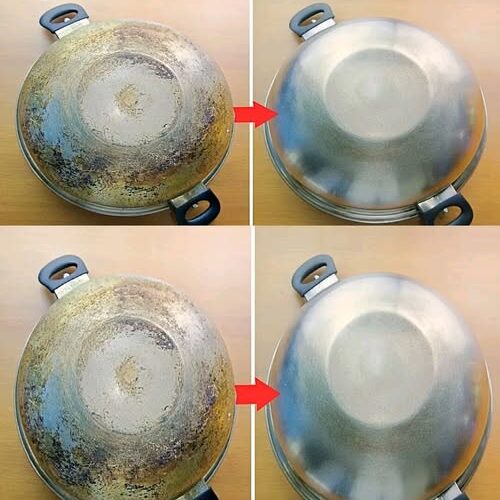
Keeping our dishes impeccable can be a challenge, especially when we are faced with pots with encrusted grease, trays with burnt food residues or crystal glasses that have lost their shine. However, with simple mixing and a quick procedure, you can bring all your dishes back to life in just 5 minutes.
Not only is this homemade trick efficient, but it also uses ingredients you probably already have at home. Say goodbye to dirt and hello to shine in your kitchen!
Restore the shine of your dishes with this mixture
With this simple trick, you’ll have sparkling crockery and a kitchen that inspires cleanliness and order!
Ingredients you need:
- 2 tablespoons baking soda
- 2 tablespoons hydrogen peroxide
- 1 tablespoon dishwashing liquid
These simple ingredients are key to creating a powerful cleaning solution that will do wonders for your dishes. Now we will explain the procedure step by step and some useful tips to maximize the results.
Procedure
- Prepare the mixture: In a bowl, combine the baking soda, hydrogen peroxide, and dishwashing liquid. Mix well until a uniform paste forms.
- Apply to dishes: Using a sponge or soft brush, distribute the mixture over the dirtiest areas of the dishes, such as burnt debris from pots or grease stains on trays. Make sure to completely cover the affected surfaces.
- Let it act: Let the mixture sit on the dishes for 5 minutes. This will allow the ingredients to work together to break down the fat and remove stains.
- Clean and rinse: Rub gently with the sponge and rinse with plenty of warm water. For glassware, use a microfiber cloth to dry them and make sure they are streak-free.
Tips for better results
- Impeccable glassware: After applying the mixture and rinsing, dry the glasses and glasses with a clean cloth to avoid water stains.
- For very stubborn dirt: If the stains are particularly stubborn, you can let the mixture sit a little longer or apply a second coat.
- Do not mix with harsh chemicals: Avoid combining this solution with other industrial cleaners to prevent dangerous chemical reactions.
- Pre-test: Before using on delicate parts, test a small area to make sure the material isn’t damaged.