
Sometimes harmful, sometimes beneficial. This is a very controversial plant. No love, clover? Although it sometimes has a bad reputation, it is still very easy to grow and maintain. In addition, it resists drought very well, makes the garden even more lush and retains its magnificent green color, even in the heat of the heat wave. Honestly, what more could you ask for? One thing is for sure, clover will enrich your lawn in many ways. After reading this article, you will get it without hesitation!
Why plant clover in the lawn?
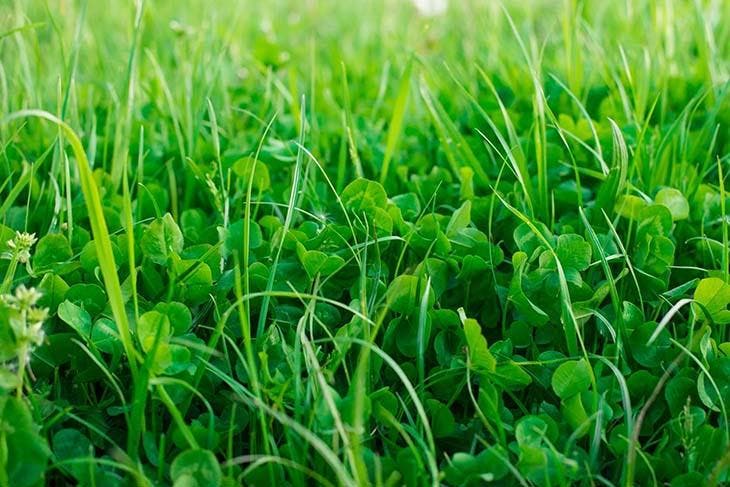
Interestingly, it is often considered a weed , but clover gives the gardener a good helping hand. You don’t need to go broke with synthetic fertilizers, as it has the advantage of converting nitrogen in the air into ammonium, a substance that the grass absorbs to make it even greener and more resistant. You can imagine a little: having a lush and radiant lawn all year round, the dream, right? And that’s not all. Clover flowers can even feed important pollinating insects in your garden. With all that, it would be a shame not to take advantage of it!
- When and how to plant clover?
If you are lucky enough to already have clover in your garden, don’t touch it and make the most of its benefits for a healthier lawn . On the other hand, if you want to add more clover to your garden or sow seeds to enrich your lawn, there are rules to follow. First of all, it is advisable to plant them separately from the grass. Ideally, clover should be planted in early spring, just after the last frost. Make sure the soil is well aerated and be sure to keep it moist enough until the seeds germinate, this takes about two weeks. Quick Tip: To maintain healthy growth of new clover, it should be reseeded every 2 to 3 years.
- What is the best variety of clover for a lawn?
Although it is possible to grow most species of clover in a lawn, most people easily opt for Dutch white clover. This is not surprising, since it is widely more available than other varieties. But, paradoxically, they often complain about their large, tall leaves, which tend to attack sparse grass. Discouraged, they even become disillusioned and curse this plant that they consider undesirable. Don’t worry, to stop spoiling your garden, you just have to change the species: switch to the “Pipolina” clover (or micro-clover), which is much smaller and whose growth is slower. Once cut, it blends
more into the grass and will do you a lot of good. Too many clovers for your taste? You will only have to remove some and plant them in areas where there is a shortage of grass. A brilliant idea to fill in the empty, emaciated parts!
- How to plant dwarf white clover in the lawn?
We strongly invite you to try the virtues of “dwarf clover”. Not only does it contribute to the biodiversity of the lawn, but it will also rid it of all insect pests, such as ugly white grubs. As if that were not enough, this plant grows very easily from seed . Spring or summer, you can sow them directly in your garden: rake the soil, scatter the seeds and water. Clovers will begin to sprout in just two to three days, but depending on the temperature, it can also take 7 to 10 days. Remember to keep this area always humid to accelerate its growth.
What are the benefits of clover in the lawn?
If you’re still not convinced to get started, here are 8 good reasons to plant clovers in your garden.
- good fertilization
Tired of spending a lot of money on nitrogen to fertilize your lawn? Save money with clover! It is an important addition as it fixes atmospheric nitrogen in the soil and eliminates the need for synthetic fertilizers.
- Disease reduction
Grass rust, white or brown spots, yellowing grass… No more insect and fungal damage! Clover will come to your rescue. Because it attracts trace minerals, once it decomposes, it spreads them quickly through the soil. Result: the grass becomes stronger and more resistant to diseases.
- Stop the weeds!
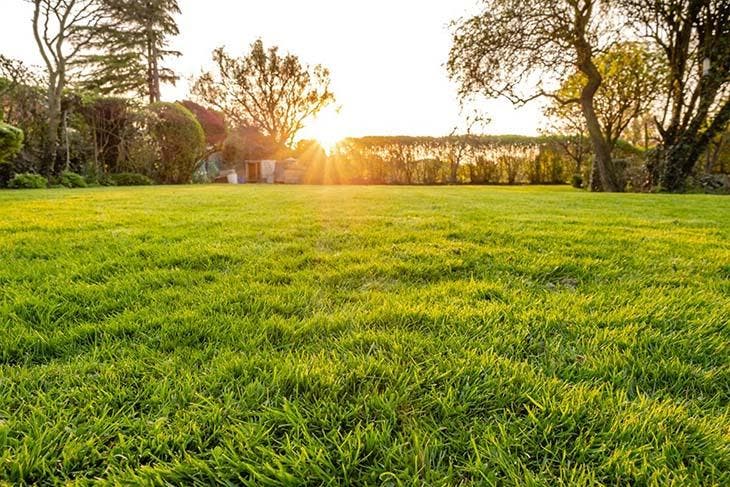
Coincidentally, clover also participates in weeding and does the work for you. As a dense ground cover, it is exceptional for crowding out other broadleaf plants such as dandelions, violets and other vegetation that frequently populate lawns. In the world of gardening and agriculture, we even talk about a “cover crop”: clover is precisely one of them, since its leaves grow densely, thus reducing soil erosion and helping to control weeds. When planted between plantings of main crops, it keeps weeds in agricultural fields for the following year. As an added benefit, this reduces the massive use of herbicides, which limits expenses!
- Save of time and money
What are the main advantages of a clover lawn?
- Low maintenance.
- Less fertilization.
- Reduced risk of disease.
- Reduced irrigation .
- Reduced pest control.
- Less weeding.
- corrosion control
Because clover roots run deep, they help keep soil and nutrients in place even during inclement weather. In addition, they have excellent natural ventilation capacity. How does this help with erosion control? Commonly, compacted soil leads to runoff and degradation. However, thanks to the aeration favored by clover grass, erosion is necessarily reduced.