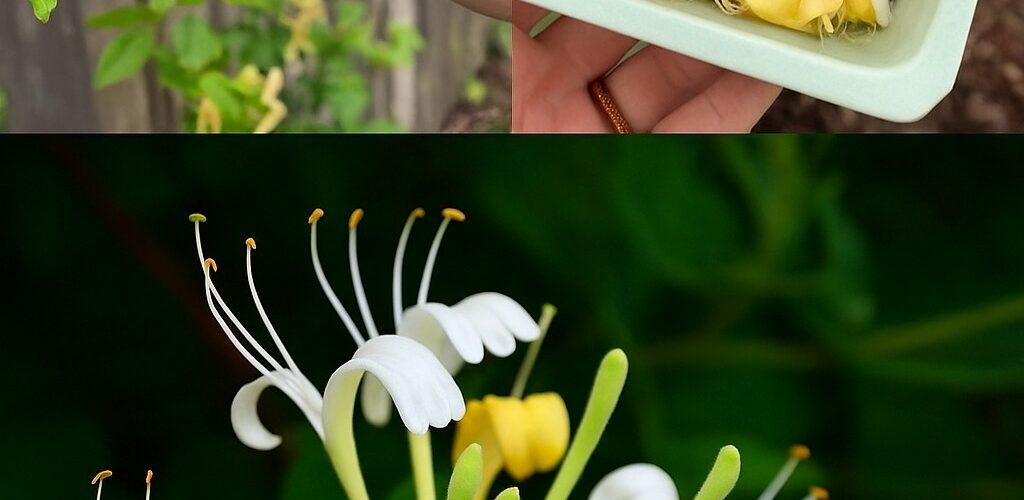
Before incorporating a plant into our home or garden, it is essential to know its characteristics, needs and possible uses. Many times we choose for its appearance without knowing if it is invasive, if it needs special care or if it has properties that we could take advantage of.
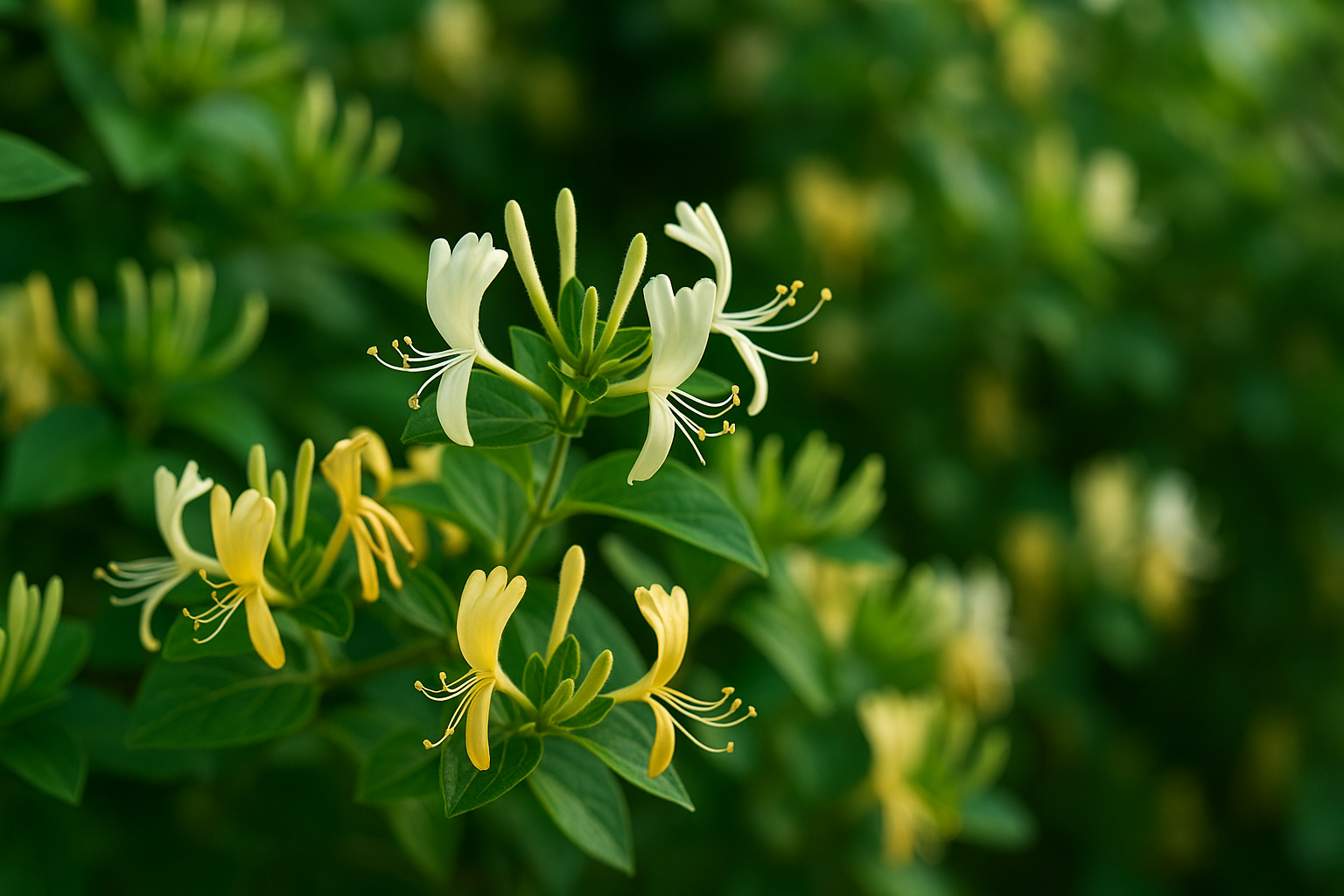
Lonicera japonica, also known as Japanese honeysuckle, is one of those plants that attracts attention for its beauty and aroma, but it hides much more: it is a resistant, fast-growing species with little-known medicinal properties.
Characteristics of Lonicera japonica
Lonicera japonica is a vine native to East Asia. It has spread widely in gardens around the world for its ability to cover walls, pergolas, and fences quickly. Among its main features are:
- Aromatic flowers: it blooms in spring and summer, with white flowers that turn yellow over time. Its sweet aroma is one of its greatest attractions.
- Evergreen or semi-evergreen leaves: Depending on the climate, you can keep your foliage green for much of the year.
- Rapid growth: it is a very vigorous climbing plant that can spread quickly if left unchecked.
- Black berries: at the end of flowering, it produces small dark berries.
Care that Japanese honeysuckle needs
Although it is a resistant plant, it needs certain care to grow healthily and not become invasive:
- Light: prefer places with direct sun or semi-shade. While it tolerates shade, it will bloom less.
- Watering: moderate. It adapts well to drought once established, but needs more water for the first few months.
- Pruning: essential to control its growth and prevent it from expanding more than desired.
- Substrate: tolerates different types of soil, although it prefers those that are well drained and rich in organic matter.
- Support: Requires a climbing structure, such as a trellis or fence.
Health benefits of consuming Lonicera japonica
In traditional Chinese and Japanese medicine, Lonicera japonica has been used for centuries for its therapeutic properties. Dried flowers and, to a lesser extent, leaves are mainly used. However, always consult a specialist before consuming it.
Features and benefits:
- Anti-inflammatory and antibacterial: ideal for treating respiratory infections, fever or sore throats.
- Depurative: promotes the elimination of toxins from the body.
- Antiviral: It has been used to strengthen the immune system.
- Digestive: helps relieve mild stomach discomfort.
Tips for medicinal use
- Infusion of dried flowers:
Collect the fresh flowers and let them dry in a ventilated place without direct light. Then, prepare an infusion with a teaspoon of flowers per cup of hot water. Let stand for 10 minutes and strain before drinking. - External use:
Infusions can also be applied with compresses to treat mild inflammation or skin irritations.
Caution: While its flowers have benefits, the berries are potentially toxic if consumed in large quantities. Its intake without medical supervision is not recommended. Always consult with a professional before incorporating any medicinal plant into your routine.
Lonicera japonica is much more than an ornamental plant. Its perfume, its ability to cover green spaces and its medicinal properties make it a multifaceted ally, as long as it is given the care and respect it deserves.