
After a long day, it’s tempting to take a hot shower and go straight to bed with wet hair. Many people do it without thinking too much about the consequences. However, this common practice could affect your health, your skin and even the quality of your hair.
In this article we tell you what really happens when you sleep with wet hair and what precautions you should take if you can’t avoid it.
What can happen when we sleep with wet hair?
Sleeping with wet hair may seem harmless, but there are negative effects you should be aware of. Here are some of the most common ones:
1. Increased risk of fungus and dandruff
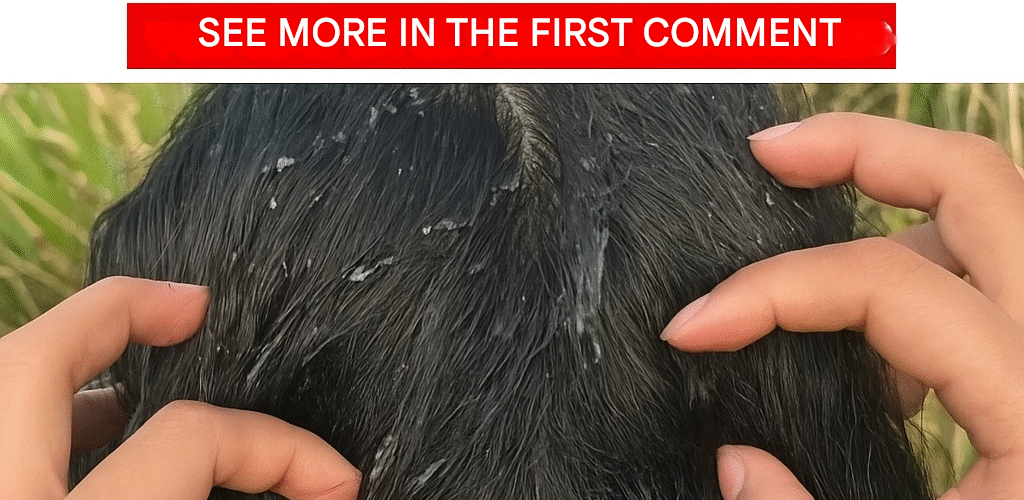
Constant moisture on the scalp can create a perfect environment for fungal growth. This favors the appearance of dandruff, itching and even infections such as seborrheic dermatitis.
2. Fragility and hair breakage
Wet hair is weaker than dry hair. When moving while sleeping, rubbing against the pillow can cause hair to break more easily. In addition, tangles are difficult to manage in the morning.
3. Muscle aches and headaches
Sleeping with a wet head can cause sudden changes in body temperature. This can lead to neck tension, muscle aches, and headaches, especially in people who are sensitive to cold.
4. Bad smell in the hair and pillow
Lack of ventilation in the wet scalp for hours can lead to an unpleasant odor. In addition, the moisture that is transferred to the pillow can promote the appearance of mold or bacteria.
Tips if you can’t avoid sleeping with damp hair
If at any time you have no other option, follow these recommendations to minimize the risks:
- Dry it as much as possible with a towel before going to bed. Avoid sleeping with completely wet hair.
- Use a satin or silk pillowcase. These fabrics reduce friction and better protect the hair.
- Don’t tie it too tightly. If you need to hold it up, opt for a loose braid or a low ponytail with a soft elastic.
- Keep the room ventilated. Avoid the environment being closed or humid, as this aggravates the effects.
- Use anti-frizz products or natural oils. They help protect hair while you sleep and prevent frizz.
Sleeping with wet hair may seem like a harmless habit, but it hides risks to your health and well-being. From hair problems to muscle aches, their consequences can add up over time. Whenever you can, try to dry it before bed, or apply preventive measures so that your rest does not end up affecting your body. Your health and hair will thank you.