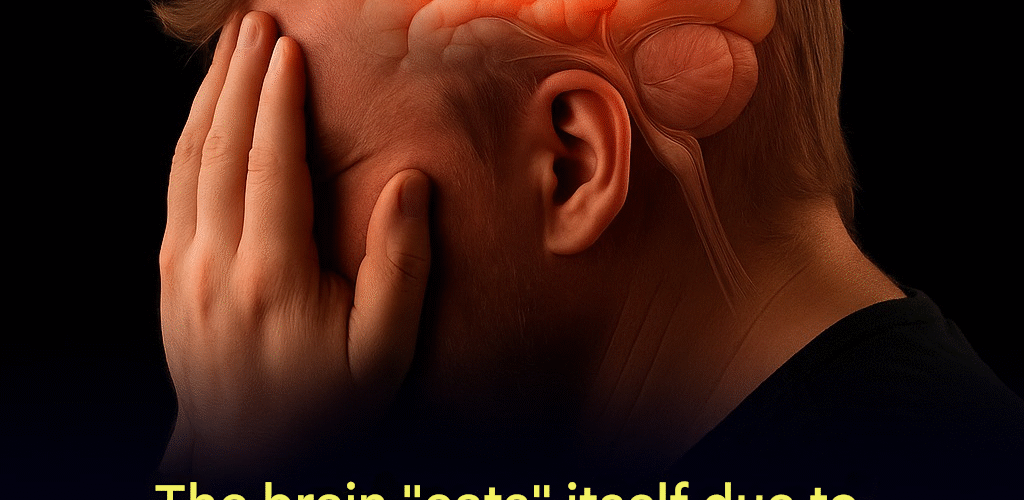

Sleep is not a luxury, it is a vital necessity. However, in an increasingly fast-paced world, many people reduce their hours of rest without knowing that they are compromising one of their most powerful tools: the brain.
Prolonged sleep deprivation not only causes tiredness, moodiness and difficulty concentrating, but also produces profound alterations in brain function that can have serious long-term consequences. But how exactly does sleep deprivation affect the brain?
What causes sleep deprivation in the brain?
When we don’t get enough sleep, the brain begins to function irregularly. One of the most noticeable effects is the decrease in cognitive ability: memory is weakened, attention is dispersed and reaction time becomes slower. This is because sleep fulfills essential functions for neuronal repair and the consolidation of memories.
In addition, lack of sleep alters communication between neurons. In scientific studies, it has been observed that synapses – the connections between neurons – become less efficient after prolonged periods of wakefulness. This creates a sense of “foggy mind” and reduces the ability to make decisions or solve problems.
Profound risks: Alzheimer’s, altered emotions and uneliminated toxins
Chronic sleep deprivation also increases the accumulation of a protein called beta-amyloid, linked to neurodegenerative diseases such as Alzheimer’s. During deep sleep, the brain activates a cleaning system that eliminates toxic waste; If we don’t sleep well, that system can’t do its job properly.
Another worrying effect is emotional imbalance. The amygdala, the part of the brain responsible for processing emotions, becomes overactive without adequate rest, which can lead to increased irritability, anxiety, and even depression.
Advice for lack of sleep: What can I do?
If you are going through a stage of insomnia or you are simply not resting enough, here are some recommendations that can help you regain control over your rest:
- Establish a routine: Try to go to bed and wake up at the same time every day, even on weekends. This helps regulate the biological clock.
- Avoid screens before bed: Blue light from electronic devices inhibits the production of melatonin, the hormone that regulates sleep.
- Watch your diet: Avoid heavy meals, caffeine, and alcohol close to bedtime.
- Create a conducive environment: The bedroom should be a dark, quiet place with a pleasant temperature. Wear thick curtains or a mask if necessary.
- Limit naps: While a short nap can be beneficial, sleeping too much during the day can make it difficult to get a good night’s rest.
- Relax before bed: Reading a book, practicing deep breathing, or listening to soft music can help calm the mind.
- Consult a specialist: If insomnia persists, do not hesitate to seek professional help. There may be medical or psychological causes that need to be treated appropriately.
Sleep is not only a way to regain energy: it is essential for the brain to function optimally. Lack of rest affects memory, learning, emotional balance and even increases the risk of neurodegenerative diseases. So, don’t underestimate the power of a good night’s sleep. Your brain—and your whole body—will thank you.