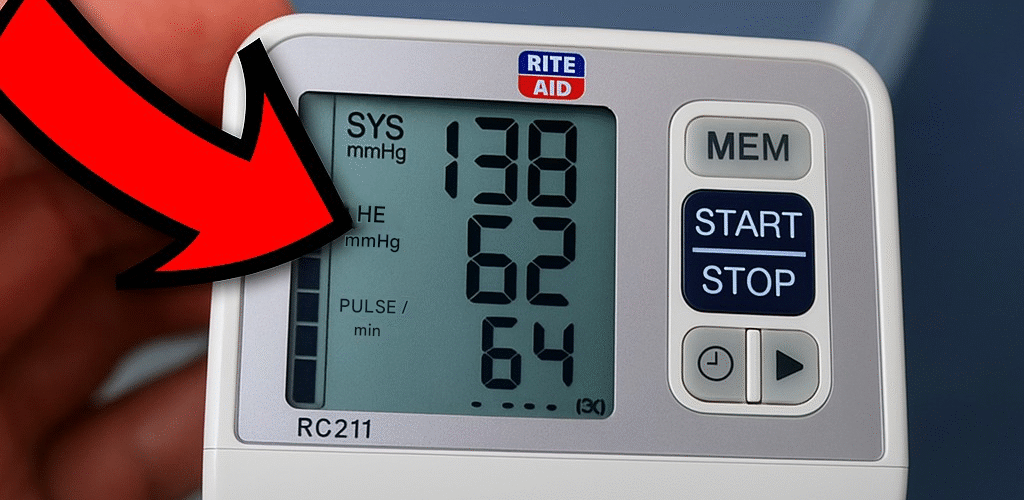
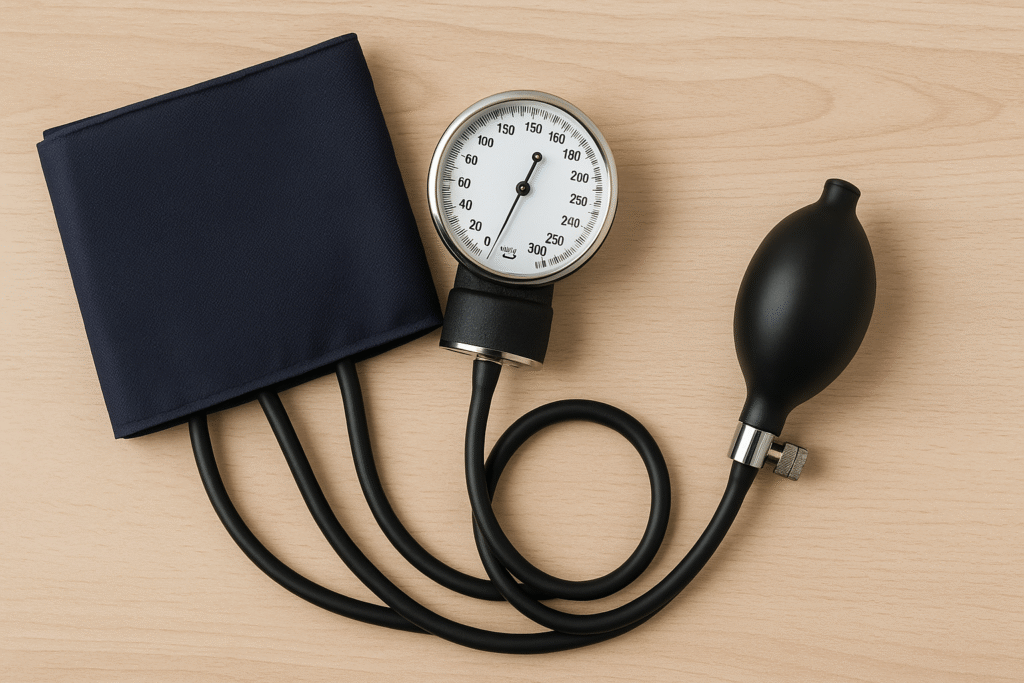
Improperly measuring blood pressure can lead to misdiagnosis, unnecessary treatment, or failure to intervene when it’s really needed.
This article compiles the 12 most common mistakes when performing this measurement, explaining how the results affect and proposing practical solutions and additional tips to improve your cardiovascular health.
1. Do not rest before the measurement
- Consequence: You can increase the pressure up to 12 points.
- Solution: Sit at rest for at least 5 minutes before measuring your blood pressure, avoiding the use of your mobile phone or other distractions.
Bonus Tip: Take advantage of this time to take deep breaths, which helps relax your nervous system.
2. Talking During Measurement
- Consequence: Raises the pressure up to 7 points.
- Solution: Keep silent during the measurement.
Bonus Tip: Let people close to you know that you need silence during the process.
3. Measure in just one arm
- Consequence: You may underestimate or overestimate the pressure.
- Solution: Measure both arms the first time and always use the highest value.
Warning: Differences greater than 10 points between arms may indicate vascular problems. See a doctor.
4. Cross-legged or unsupported feet
- Consequence: It can increase up to 15 points.
- Solution: Sit with your feet flat on the floor, without crossing your legs.
5. Unsupported or poorly positioned arm
- Consequence: If it is below the heart, it increases up to 7 points; If it is above, you can fake the result downwards.
- Solution: Rest your arm at heart level.
Bonus Tip: Use pillows or the armrest of a firm chair to maintain the correct position.
6. Unsupported back
- Consequence: It can increase up to 11 points.
- Solution: Use a chair with a backrest that allows you to support your back.
7. Using an improper cuff
- Consequence: Large arm + small cuff = falsely high pressure; Thin arm + large cuff = falsely low pressure.
- Solution: Wear a cuff that fits around the perimeter of your arm.
Bonus Tip: Measure your arm and make sure the cuff is within the range specified on the device.
8. Recent caffeine consumption
- Consequence: Raises the pressure to 10 points.
- Solution: Avoid caffeine at least 30 minutes beforehand.
Note: This includes green tea, coffee, and soft drinks. Assess your personal sensitivity to caffeine.
9. Measuring with a full bladder
- Consequence: Increases up to 15 points.
- Solution: Urinate before your blood pressure is measured.
10. Not considering environmental effects (white/masked coat hypertension)
- Consequence: False results depending on the environment.
- Solution: Also take measurements at home to get a more realistic average.
11. Not keeping home control
- Consequence: Incorrect diagnoses.
- Solution: Measure your blood pressure 3 times a day for a week before your appointment. Write down time, values and pulse.
Bonus Tip: Use dedicated apps or notebooks to keep track of this.
12. Using uncalibrated or low-quality devices
- Consequence: Inaccurate results for years.
- Solution: Use validated digital arm blood pressure monitors and calibrate your equipment at least once a year.
Normal Pressure References:
- American Society: <120/<80 mmHg is ideal.
- European Society: <130/<85mmHg is acceptable.
Note: The criteria may vary slightly depending on the region, consult your doctor.
Avoiding these mistakes can mean the difference between correct and wrong treatment!