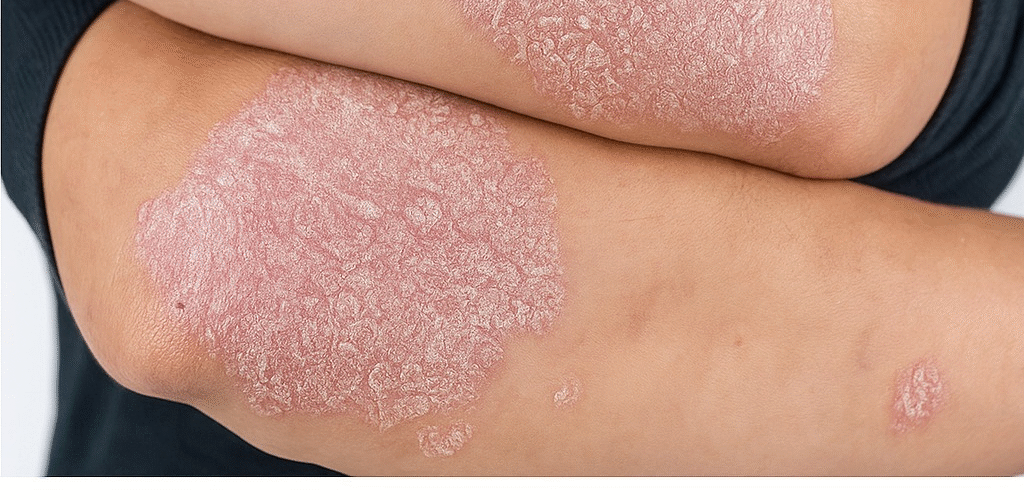
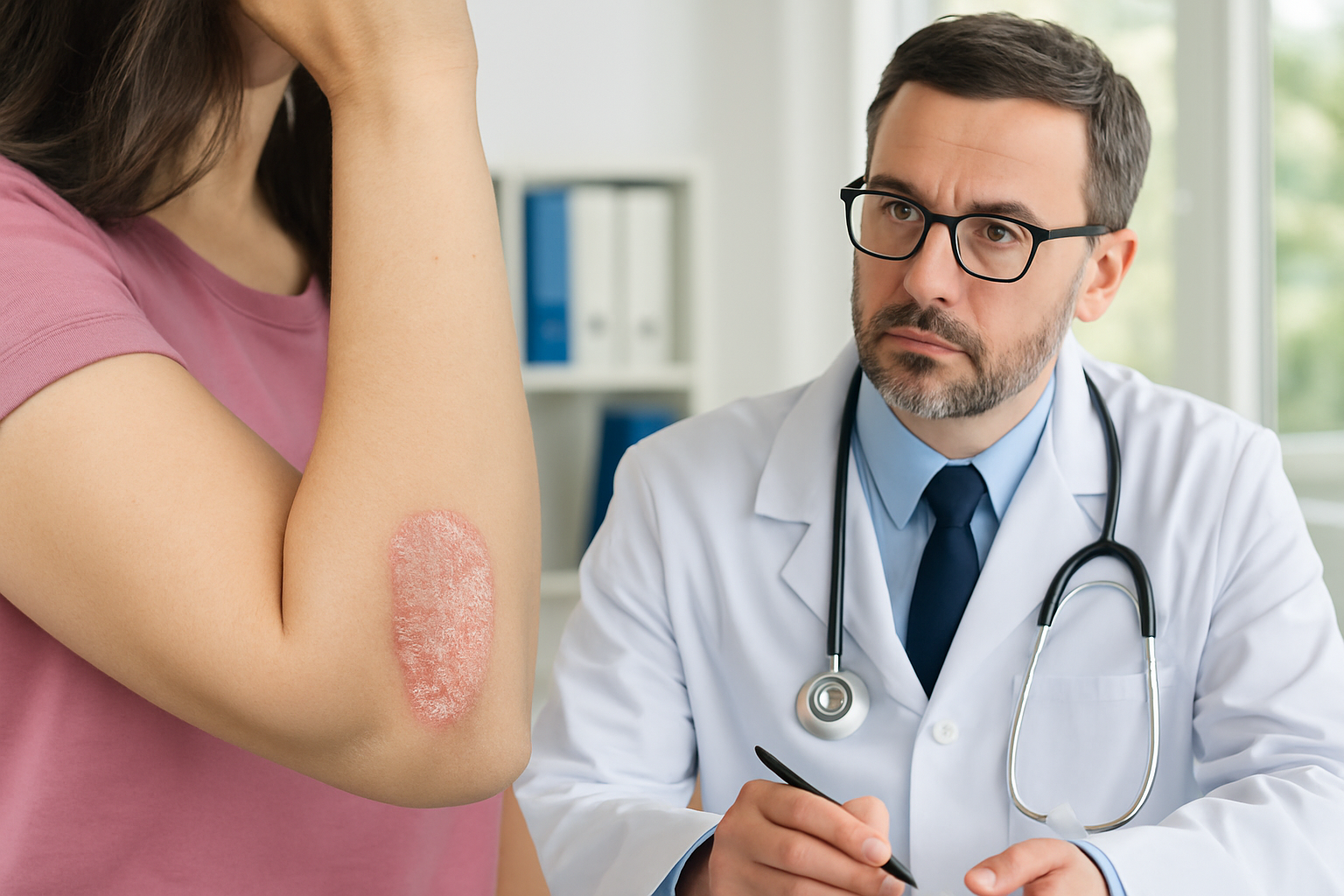
Psoriasis is a disease that affects millions of people around the world, but despite its scope, it is still surrounded by misinformation and stigmas. It is not only a skin condition: it can impact the emotional and social quality of life of those who suffer from it. Although it is not contagious, many people feel embarrassed or discriminated against, which further aggravates their situation.
Really knowing what psoriasis is, why it appears and what can be done to relieve it is key to understanding it and also to providing support to those who suffer from it. In this article, we tell you the essentials of this disease, debunk myths and give you practical advice. And remember: if you have any symptoms or doubts, you should always consult a doctor.
What is psoriasis and why does it appear?
Psoriasis is a chronic autoimmune inflammatory disease that accelerates the life cycle of skin cells. This causes them to build up quickly on the surface forming red, scaly, and often itchy or painful plaques. It can affect the scalp, elbows, knees, back, nails, and in some cases, the joints (arthritic psoriasis).
Why does it occur in certain people?
Although the exact causes are not fully known, it is known that there is a combination of genetic and environmental factors. In other words, there may be a hereditary predisposition that, in the face of certain triggers, triggers the appearance of symptoms.
Factors that can aggravate or trigger an outbreak include:
- Emotional stress
- Infections (such as tonsillitis)
- Hormonal changes
- Cold and dry climates
- Alcohol or tobacco use
- Certain medications (such as beta-blockers or antimalarials)
Possible solutions and treatments for psoriasis
Although there is no definitive cure, there are multiple forms of treatment that help control symptoms and improve quality of life. It is essential that all these treatments are indicated and supervised by a specialized doctor.
1. Topical treatments
- Corticosteroid creams
- Vitamin D derivatives (such as calcipotriol)
- Coal tar and salicylic acid
- Intensive moisturisers to prevent dryness
2. Phototherapy
- Controlled exposure to ultraviolet (UVB) rays
- Excimer laser in localized cases
3. Systemic treatments
- Oral or injectable immunosuppressive medications (methotrexate, cyclosporine)
- Biologic drugs that act directly on the immune system
Useful tips to live better with psoriasis
- Avoid stress: relaxation techniques, yoga or meditation can be key allies.
- Take care of your skin daily: use neutral soaps, moisturizers and avoid very hot showers.
- Moderate sun exposure: with caution, as the sun can help in many cases.
- Avoid scratching: It can worsen injuries and lead to infections.
- Maintain a balanced diet: some people find relief by reducing the consumption of sugars, processed fats and increasing the consumption of anti-inflammatory foods such as omega 3.
- Consult the dermatologist regularly: proper follow-up improves treatment results.
- Do not self-medicate: many products can irritate the skin and worsen the condition.
- If you have any doubts or worsening symptoms, always consult a health professional.
Psoriasis is not only seen, it is also felt. Understanding it is the first step to treating it with empathy and effectiveness. With correct information, medical accompaniment and good habits, it is possible to keep it under control and lead a full life. Never replace medical diagnosis with information from the internet: your health should always be in professional hands.