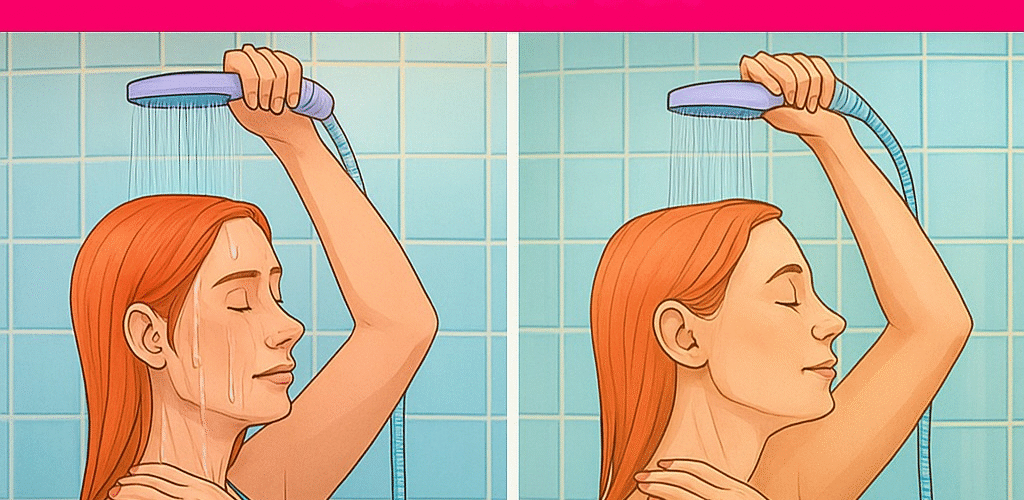

Daily showering is an ingrained habit in many people. However, more and more studies and dermatology experts question whether it is really necessary to shower every day.
In reality, the ideal frequency depends on various factors such as skin type, daily activities, climate, and even the environment in which we live.
Do you need to shower every day?
For many people, a daily shower is synonymous with hygiene and freshness. But from a medical point of view, this is not always indispensable. Washing too often can strip the skin’s natural oils, weakening the skin barrier and promoting dryness, irritation and other dermatological conditions.
Experts agree that, unless there is excessive sweating or exposure to dirt or pollutants, showering every 2 or 3 days can be enough to maintain good personal hygiene without damaging the skin.
What do dermatologists say?
Dermatologists explain that the skin has a natural microbiome made up of good bacteria that protect against external agents. By showering every day with hot water and harsh soaps, this balance is affected, which can lead to imbalances such as eczema or dermatitis.
The general recommendation is:
- Shower 2 to 3 times a week in winter, especially if you have dry or sensitive skin.
- Increase the frequency in summer or in humid climates, always considering the condition of the skin.
- Wash the intimate areas, armpits, feet and face daily, even if you do not take a complete shower.
How to maintain good hygiene without showering daily?
Staying clean doesn’t always mean taking an entire shower. These practices can be equally effective:
- Perform daily “localized hygiene” with a damp cloth and mild soap.
- Change underwear and sweat clothing every day.
- Use appropriate deodorants and keep your hair clean according to the type of scalp.
Additional skin care tips:
- Avoid water that is too hot: prefer warm water so as not to remove protective oils from the skin.
- Use neutral or dermatological soaps: especially in people with sensitive skin.
- Moisturise the skin after bathing: apply moisturising cream to maintain elasticity and prevent dryness.
- Observe how your skin responds: If you notice dryness, itching, or redness, you could be showering too often.
There is no universal rule about the ideal frequency of showering. The most important thing is to listen to your body and adopt a hygiene routine adapted to your personal needs and the environment in which you live.
Keeping your skin healthy also means taking care of its natural balance, which sometimes requires less showering than we think!