1. Choose the right place and the right time to plant lily of the valley
The lily of the valley (Convallaria majalis) is a plant that appreciates rich, cool and well-drained soils.
It grows best under trees or shrubs, where it benefits from light or partial shade. In fact, this forest plant develops naturally in humus soils and sheltered from direct sunlight. Therefore, it is important to provide similar conditions in your garden.
The lily of the valley is generally planted in autumn, between September and November, to promote rooting before winter and thus benefit from flowering the following spring. However, it is also possible to plant plants in pots in spring, taking care to water them regularly to ensure good recovery.
2. Prepare the soil and plant the claws or lily of the valley seedlings.
Before planting, it is essential to prepare the soil well to promote the development of the roots of the lily of the valley.
Thus, you must work at a depth of about 20 to 30 centimeters, eliminating stones, roots and weeds. You can also amend the soil with compost or potting soil to enrich it and facilitate drainage.
Lily of the valley spreads primarily by its rhizomes , called crowns, which can be purchased at a garden center or collected at divide the bush of an already established plant. To plant the claws, dig a hole about 2 inches deep and place the claw horizontally, making sure to spread the roots.
Then cover with soil and tamp lightly. The claws should be 10 to 15 centimeters apart to allow the plant to spread well.
If you opt for potted lily of the valley plants , all you have to do is carefully remove them from their container and plant them in a hole the same depth as the pot. Make sure to keep a distance of at least 10 centimeters between each plant to give them room to grow.
After planting, water thoroughly to promote rooting, then mulch the soil with dead leaves, wood chips or straw to preserve moisture and prevent weed growth.
3. Encourages abundant and fragrant flowering
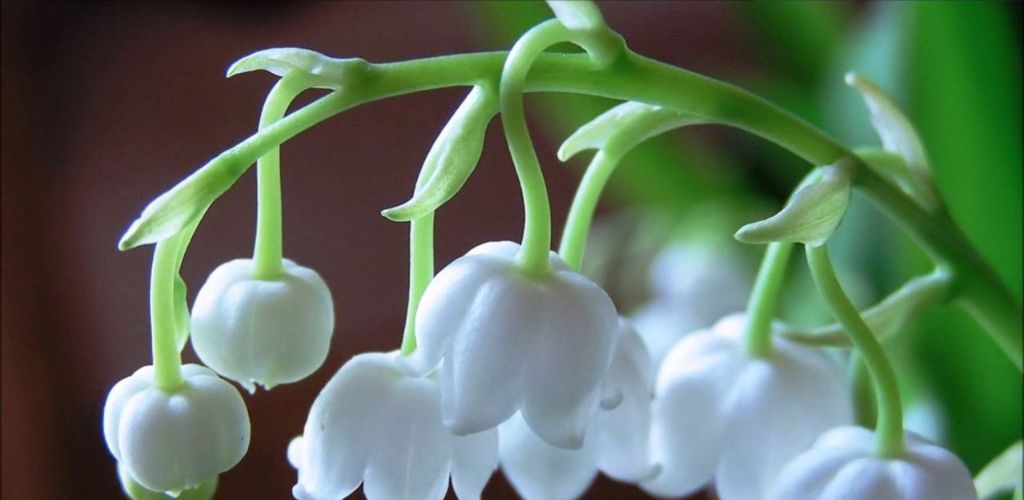
The lily of the valley valley usually blooms between April and June and offers beautiful clusters of white bells with a bewitching aroma.
To promote abundant flowering, several tips can be implemented:
- Regular watering: Lily of the valley likes cool soil, so it is important to water it regularly, especially in case of drought or high heat. However, be careful not to leave the soil soggy, as this can lead to root rot.
- Add fertilizer: Adding organic fertilizer, such as compost or rotted manure, can be beneficial in stimulating the growth and flowering of lily of the valley. Make this contribution in the fall or early spring, mixing it into the soil around the plants.
- Mulch: Mulch helps maintain soil moisture and protects roots from the winter cold, while limiting weed growth. Renew it every year.
4. Maintain lily of the valley for harmonious development
Lily of the valley valley is a fairly easy plant to maintain, as long as you follow some basic rules:
- Pruning: It is generally not necessary to prune lily of the valley as its leaves wilt naturally at the end of the season. However, you can cut off wilted flowers to prevent them from setting seeds, which would unnecessarily exhaust the plant.
- Division: Division of the clump is an important step to ensure the renewal and vigor of the lily of the valley. Carry out this operation every 3 or 4 years, in autumn, taking the claws with a shovel and immediately replanting them in the desired place.
- Disease and parasite monitoring: Lily of the valley can be prone to certain diseases, such as powdery mildew or gray rot, as well as attack by slugs and snails. Regularly inspect your plants and treat them if necessary with suitable products.
5. Take advantage of the benefits of lily of the valley in the garden and in bouquets
The lily of the valleys valleys is a plant that brings many benefits to your garden:
- Aesthetics: Its clusters of snowdrops and soft green foliage provide an elegant and refreshing contrast, ideal for brightening shady areas of your garden.
- Aroma: The captivating aroma of lily of the valley, also called the “aroma of happiness”, is a real asset to create a romantic and relaxing atmosphere in your outdoor space.< /span>
- Ground cover: Thanks to its rapid growth and ability to spread through its rhizomes, lily of the valley is an excellent ground cover for shady areas , where the grass struggles to grow.
The lily of the valley valley can also be collected to make beautiful bouquets, to offer or to have at home to enjoy its fragrance and charm. To do this, cut the stems at the base and quickly place them in fresh water. You can combine them with other flowers, such as roses or peonies, to create delicate and fragrant flower arrangements.
In short, the lily of the valley is a plant that is both beautiful and easy to care for, which will add a touch of charm and freshness to your garden. By following these planting, flowering and maintenance tips, you will be able to make the most of its assets and share the happiness it symbolizes. So don’t hesitate and give yourself an enchanted garden thanks to the lily of the valley!