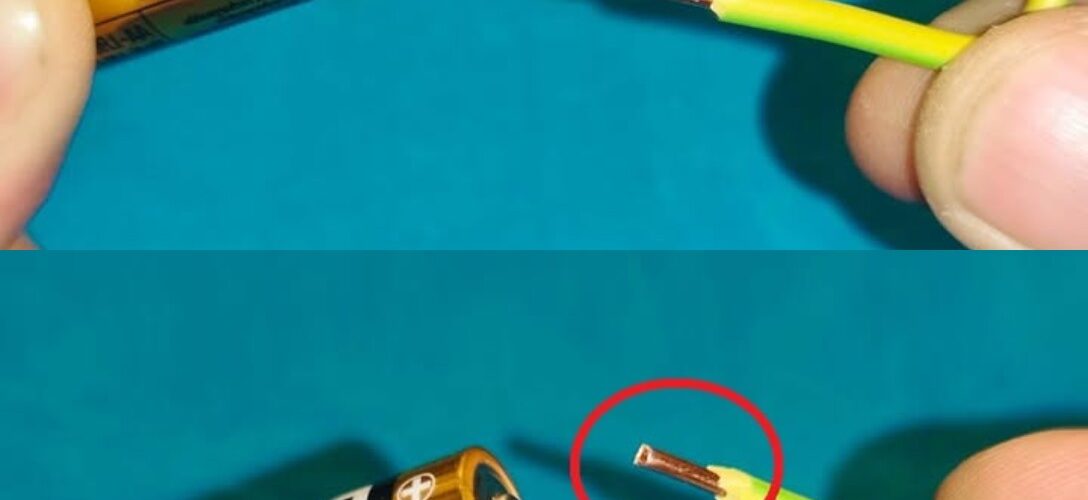

Batteries are an indispensable source of energy in our daily lives, but they also represent an environmental problem when they are not disposed of correctly. However, there is a trick that will allow you to reuse certain batteries safely, avoiding unnecessary waste and saving money in the process.
In this article, we explain how to distinguish between rechargeable and non-rechargeable batteries, and how to give them a second life safely.
Materials Needed
- Rechargeable batteries (NiMH or Li-ion)
- Charger suitable for the type of battery
- Multimeter (optional, to check battery voltage)
- A dry cloth to clean the contacts
- A safe and well-ventilated space for charging
Procedure
- Identify the type of battery: Before attempting to recharge a battery, it is essential to make sure that it is rechargeable. Nickel-Metal Hydride (NiMH) and Lithium-Ion (Li-ion) batteries are safe to recharge, while alkaline batteries are not and can explode or leak dangerously if attempted to be recharged.
- Select a suitable charger: Not all rechargeable batteries can be charged with the same device. Verify that the charger is compatible with the type of battery you want to recharge. A good charger should regulate the voltage and current to avoid overheating and short circuits.
- Prepare the batteries: Before placing them in the charger, wipe the contacts with a dry cloth to ensure an efficient connection. If you have a multimeter, check that the battery still has some residual charge; If the voltage is too low, it may need to be discarded.
- Start the charging process: Place the batteries in the charger, making sure to follow the correct polarity. Connect it to power and let the charging cycle complete. Most modern chargers automatically shut down when the battery is fully charged.
- Check the condition of the batteries: Once charging is complete, remove them and wait a few minutes before using them. If you notice that any battery is getting too hot or deformed, dispose of it immediately at a suitable recycling center.
Additional Tips
- Avoid recharging alkaline batteries: Although some homemade tricks suggest that it is possible, this process is highly risky and can lead to toxic leaks or explosions.
- Don’t mix different types of batteries: If you’re using devices that require multiple batteries, try to make them all the same type and brand to avoid load imbalances.
- Store batteries properly: Store rechargeable batteries in a cool, dry place to prolong their life.
- Use a quality charger: Avoid low-quality generic chargers, as they may not have the proper safety mechanisms.
By following these steps, you can make the most of your rechargeable batteries and contribute to the reduction of electronic waste. You will never dispose of a battery again without first checking if it can be reused!