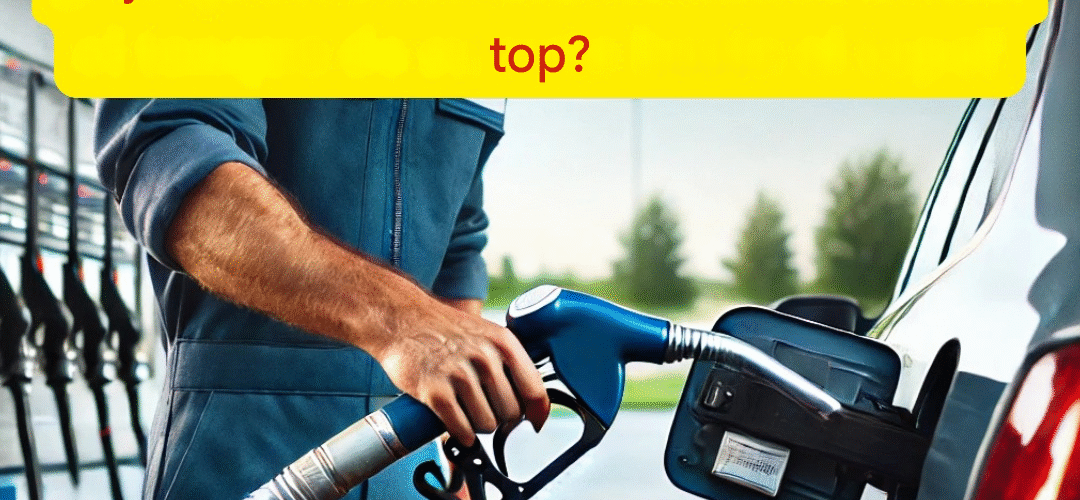

If you’ve ever observed a mechanic refueling their vehicle, you may have noticed a curious habit: they rarely fill the fuel tank to the top. Although many people believe that taking the tank to the maximum is the most convenient way to avoid frequent stops at the gas station, mechanical experts have well-founded reasons to avoid it.
1. Fuel Expansion and Risk of Spills
One of the main reasons mechanics avoid filling the tank to the top is fuel expansion. Liquids change in volume depending on temperature, and gasoline is no exception.
- When the tank is completely filled, there is not enough room left for the fuel to expand with the heat.
- If the car is exposed to the sun or high temperatures, the gasoline can expand and generate excessive pressure inside the tank, increasing the risk of leaks or spills.
- Many modern vehicles have gas evaporation systems to control these effects, but overfilling can overload these systems and reduce their efficiency.
2. Damage to the evaporation system (EVAP)
Modern cars are equipped with an evaporative emission control system (EVAP), which prevents fuel vapors from being released into the atmosphere.
- This system features an activated carbon canister that traps vapors and redirects them to the engine to be burned efficiently.
- If the tank is filled to the brim, excess gasoline can enter the canister, saturating the activated carbon and damaging the EVAP system.
- Once this system is damaged, the vehicle may begin to exhibit problems such as difficulty starting, engine failure, and the Check Engine light coming on.
3. Higher fuel consumption
It may seem counterintuitive, but filling the tank to the brim can result in higher fuel consumption for several reasons:
- Higher weight: A full tank increases the overall weight of the vehicle, which increases engine stress and therefore fuel consumption.
- Evaporation of excess: By overfilling the tank, more gasoline can evaporate through the tank cap or EVAP system, resulting in unnecessary fuel loss.
4. Risk of spills and contamination
When the tank is filled to the top, fuel can easily spill, especially if the cap is not closed tightly or if the vehicle moves abruptly. Not only is this a waste of money, but it also poses an environmental and safety risk.
- Gasoline is highly flammable, and a spill in a hot area or near a spark could cause a fire.
- In addition, contact with the car’s paint can deteriorate it over time.
What is the best way to refuel?
Mechanics recommend following these tips when filling up the fuel tank:
- Do not exceed the first “click” of the hose: When the gas station pump stops automatically, it means that the tank has reached a safe level. Avoid continuing to fill it out beyond this point.
- Keep the tank with at least a quart of fuel: This helps prevent the gas pump from idling, which could damage it.
- Refueling in cool hours: Refueling early in the morning or evening minimizes evaporation and improves filling efficiency.
- Use good quality fuel: Opting for good origin gasoline guarantees better performance and less accumulation of residues in the system.
Although it may seem like a harmless practice, filling the tank to the brim can bring more problems than benefits. Mechanics avoid it because they know it can damage the EVAP system, cause spills, increase fuel consumption, and affect vehicle performance. Therefore, following their advice and refueling wisely can help you take care of your car, save money and avoid mechanical complications in the long term.