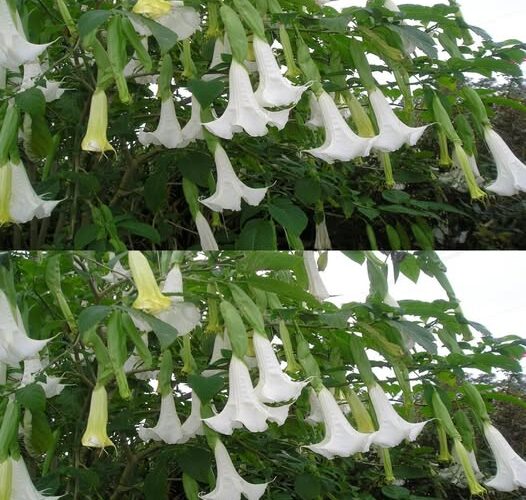
Many people enjoy growing ornamental plants in their gardens without knowing that some can pose a serious health hazard. There are plant species that, despite their attractive appearance, contain toxic substances capable of causing serious poisoning in humans and animals.
One of these plants, which is often found in gardens without its owners knowing its toxicity, is Datura Stramonium.
Datura Stramonium: a beautiful but dangerous plant
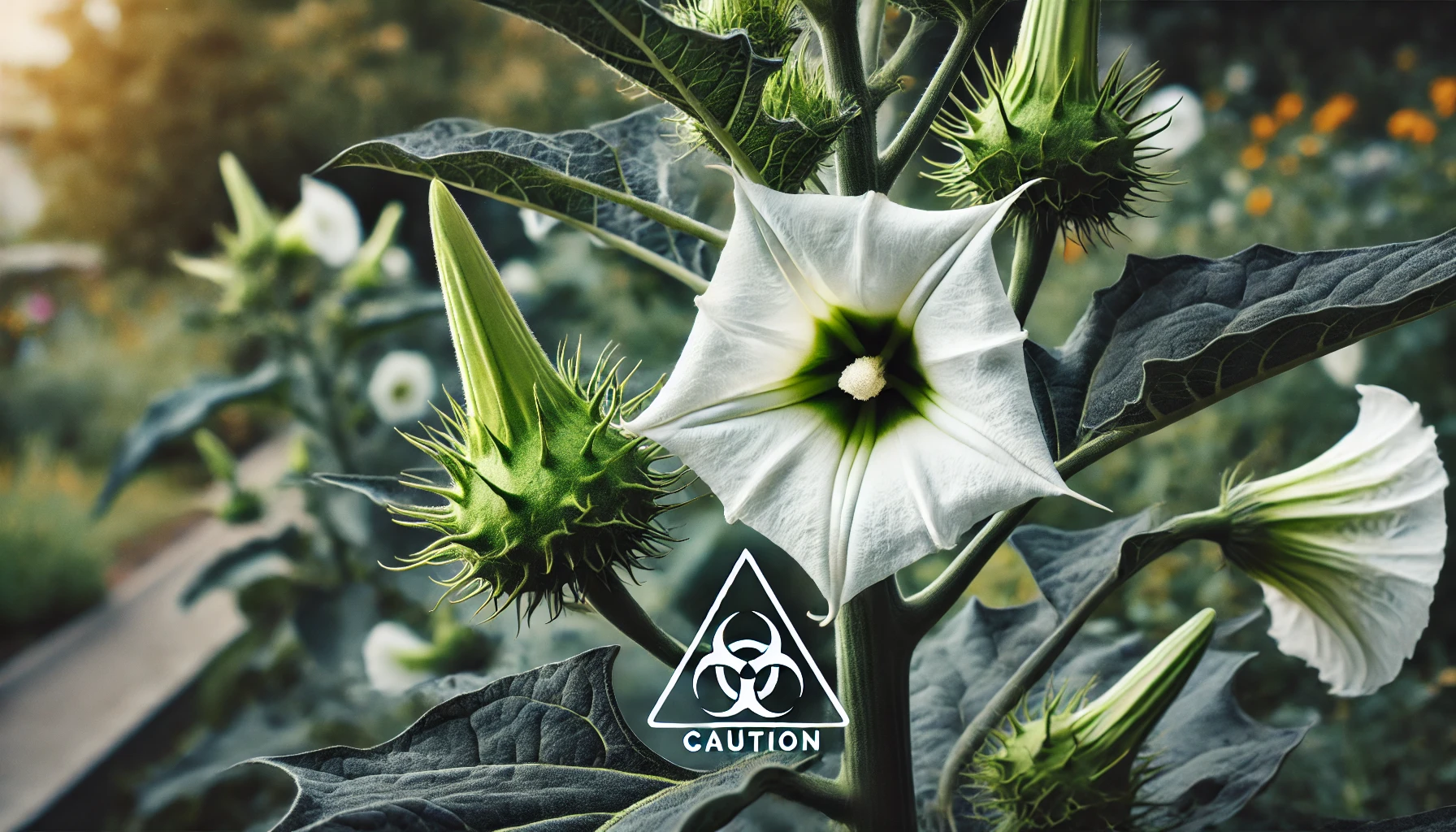
Datura Stramonium, also known as stramonium, devil’s trumpet or crazy fig, is a herbaceous plant in the nightshade family. It is distinguished by its large, trumpet-shaped flowers and prickly fruits, making it visually striking and popular in some gardens. However, its beauty hides a high level of toxicity.
Why is it poisonous?
All parts of Datura Stramonium, including its leaves, seeds, and flowers, contain tropane alkaloids such as atropine, scopolamine, and hyoscyamine, which affect the central nervous system. Accidental ingestion or contact with its parts can lead to serious symptoms such as:
- Hallucinations and delusions
- Tachycardia and increased body temperature
- Dry mouth and difficulty swallowing
- Blurred vision and dilated pupils
- Disorientation and loss of motor control
- In severe cases, it can cause coma or death
How does it affect our garden?
Although Datura Stramonium grows easily and is hardy, it can pose a hazard in any garden due to:
- Danger to children and pets: Their visual appeal can induce curiosity, and a simple contact or ingestion can be lethal.
- Rapid dissemination: It produces a large number of seeds that can spread easily, becoming an invasive species.
- Difficulty eradicating it: Once established, removing it can be tricky, as its seeds can remain viable in the soil for years.
What to do if you have one in your garden? Tips and precautions
If you’ve identified this plant in your garden, it’s important to act quickly to avoid risks. Here are some key tips:
- Uproot the plant: Use thick gloves and gardening tools to remove it completely, making sure to remove all seeds and roots.
- Don’t compost: Seeds can survive in compost and re-propagate.
- Use protection when handling it: Since its alkaloids can be absorbed through the skin, it is essential to wear gloves and wash your hands thoroughly after contact.
- Keep an eye on your garden: Regularly inspect the area to make sure it doesn’t grow back.
- Inform others: If you have neighbors or family members who grow this plant without knowing its toxicity, warn them about the dangers it poses.
By taking these precautions, you can avoid risks to your family and pets, and contribute to a safer garden free of poisonous plants. Check your garden and act in time!