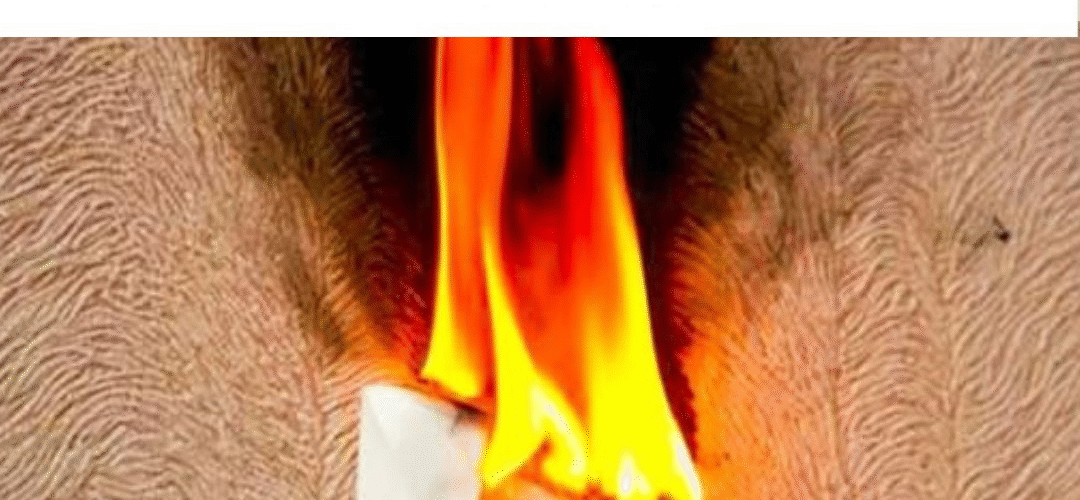
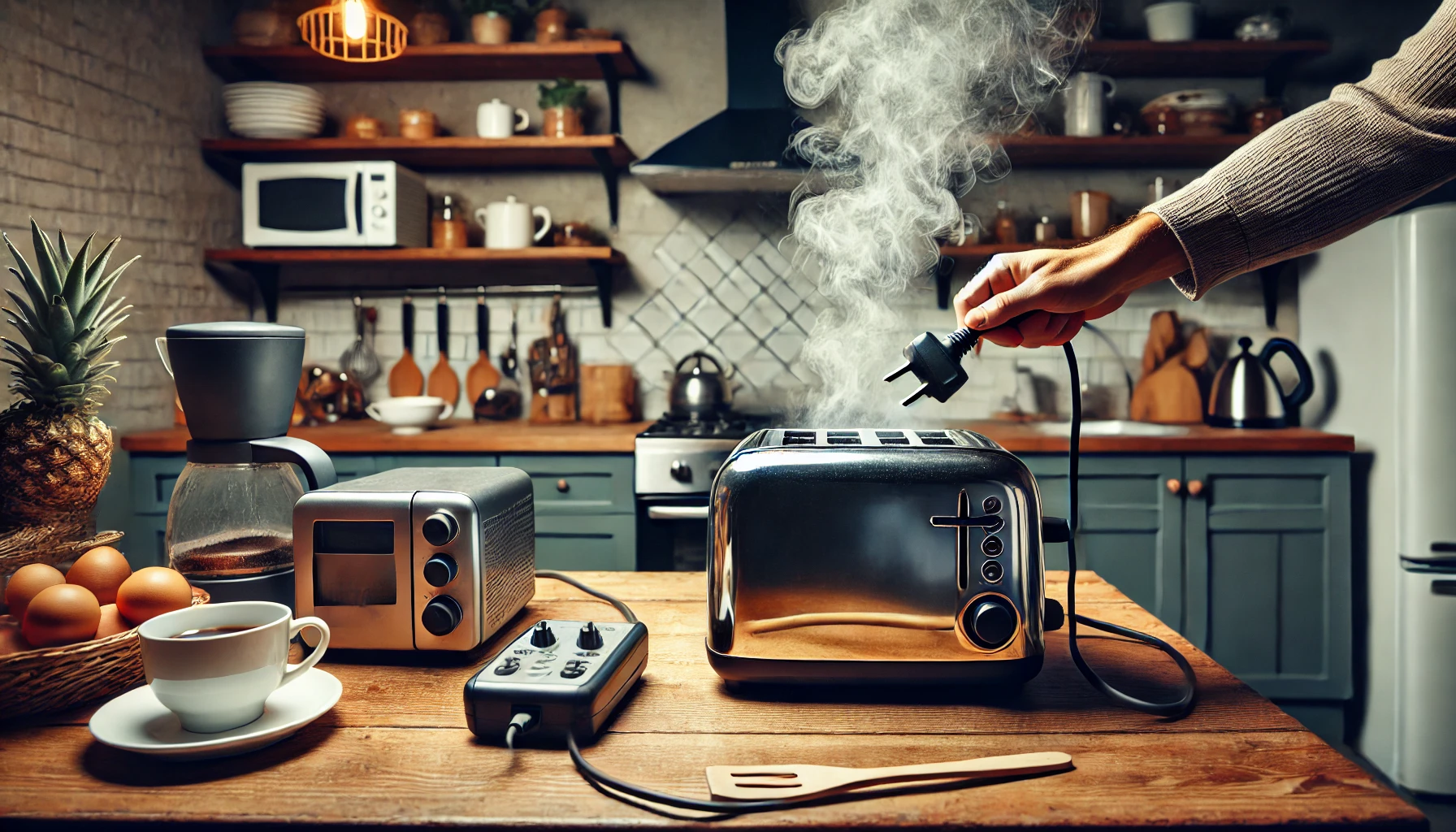
In the kitchen, we use a wide variety of appliances on a daily basis, but few of us stop to think about the risks they can pose if they remain plugged in overnight. Some appliances can short circuit, overheat, or even cause unexpected fires.
To avoid accidents, it is essential to know which devices may represent a greater danger and to adopt preventive measures.
The toaster: a silent danger in the kitchen
One of the appliances that should always be unplugged after use is the toaster. Although it is a common appliance and for daily use, it can become extremely dangerous if left plugged in unattended.
The accumulation of crumbs inside it can generate spontaneous fires if the resistance is accidentally activated or if the appliance has an electrical fault. To avoid risks, it is best to unplug it every time it is finished using it and clean its interior regularly.
Appliances that can be dangerous if left plugged in
Unplugging appliances after using them is a simple action that can prevent major disasters. Prevention is key to ensuring home safety and avoiding unexpected accidents.
- Toaster: It can cause fires due to the accumulation of crumbs or unexpected short circuits.
- Microwave: If your wiring is damaged, it can overheat and generate sparks.
- Electric coffee maker: Some continue to consume energy and generate heat if they are not turned off properly.
- Clothes or hair straightener: Leaving it plugged in could cause a fire if it comes into contact with flammable materials.
- Phone or laptop chargers: Although small, they can overheat and pose a fire hazard if they remain plugged in for long periods without use.
Tips and what to do in case of fire
- Prevention:
- Unplug appliances when not in use, especially before sleeping or leaving the house.
- Periodically check cords and plugs for signs of wear or damage.
- Avoid overloading outlets and use power regulators when necessary.
- Regularly clean appliances such as the toaster to prevent the accumulation of flammable residues.
- In the event of a fire:
- Do not use water if the fire is electrical in origin, as it can cause a shock.
- Disconnect the power source if it is safe to do so.
- Use a Class C fire extinguisher (special for electrical fires).
- If the fire spreads quickly, evacuate immediately and call emergency services.