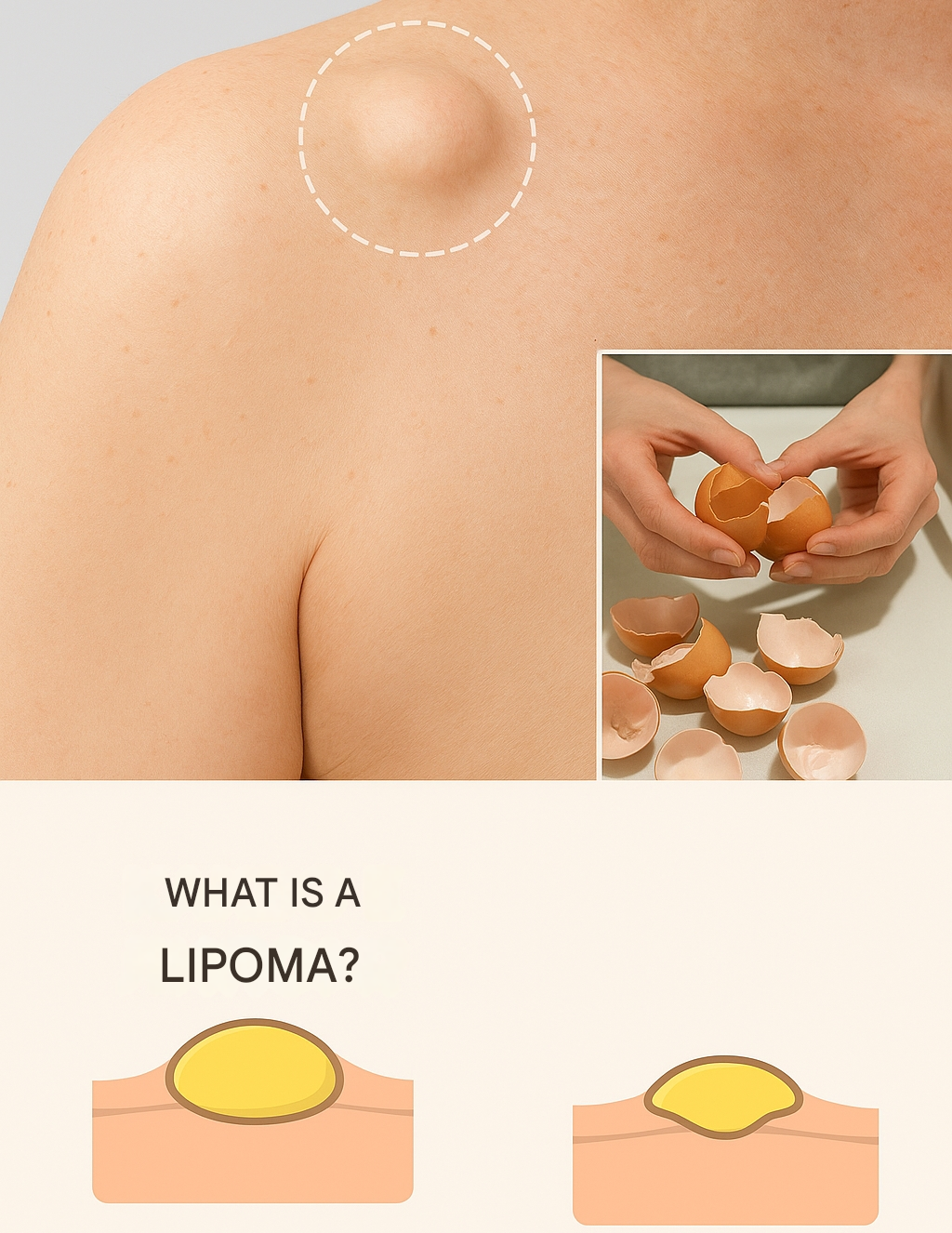
A lipoma is a non-cancerous (benign) growth of fat cells that forms just beneath the skin. It is one of the most common types of soft tissue tumors. While generally harmless, lipomas can cause discomfort or cosmetic concerns if they grow large or occur in visible areas. If you or someone you know is dealing with a lipoma, it’s important to understand what it is, its causes, and how it can be treated or removed.
What is a Lipoma?
A lipoma is essentially a lump of fatty tissue that grows slowly under the skin. These growths are typically soft to the touch, movable, and usually painless. Lipomas vary in size; they can be small, ranging from a few centimeters, or grow as large as several inches. They often appear on the shoulders, back, arms, or thighs but can develop anywhere on the body. Most lipomas are isolated, but some individuals may develop multiple lipomas over time, a condition known as familial multiple lipomatosis.
Although lipomas are generally harmless, they can sometimes grow large enough to cause discomfort, especially if they press on nerves or other tissues. Additionally, while they are benign and not cancerous, lipomas can occasionally cause cosmetic concerns due to their appearance.
Symptoms of Lipomas
- A soft, rubbery lump under the skin that can be moved easily.
- Painless in most cases, but they can sometimes cause discomfort, especially if they press on nearby nerves or muscles.
- Slow growth over time.
- Size varies from small to large (up to several inches).
- Located anywhere on the body, but common spots include the back, shoulders, and arms.
While lipomas are usually asymptomatic and benign, it is important to seek medical advice if you notice a lump or if it becomes painful, grows rapidly, or shows any unusual changes.
Causes of Lipomas
The exact cause of lipomas is still unclear, but several factors may contribute to their development:
- Genetics: In some cases, lipomas run in families, indicating a genetic predisposition. Individuals with a family history of lipomas are more likely to develop them.
- Age: Lipomas are most common in adults, typically developing between the ages of 40 and 60. However, they can occur at any age.
- Trauma or Injury: There is no direct scientific evidence to suggest that injury causes lipomas, but in some cases, trauma or injury to a specific area of the body may lead to the growth of a lipoma.
- Medical Conditions: Certain conditions, such as Gardner’s syndrome or Adiposis dolorosa, may predispose individuals to develop multiple lipomas.
How to Remove a Lipoma
In most cases, a lipoma does not require removal unless it causes pain, discomfort, or cosmetic concerns. Here are several methods to remove a lipoma:
1. Surgical Removal
The most common and effective treatment for lipomas is surgical removal. The procedure involves making a small incision in the skin over the lipoma and removing the fatty tissue. This is typically performed under local anesthesia, meaning the area around the lipoma is numbed, and you can remain awake during the procedure. In some cases, a drain may be placed to prevent fluid buildup after surgery. The recovery time is relatively short, and most people can resume normal activities within a few days.
2. Liposuction
Liposuction is another method that can be used to remove a lipoma, especially if the fatty growth is large. This procedure involves using a suction device to remove the fatty tissue. Unlike traditional surgery, liposuction usually leaves behind smaller scars. However, it may not be as effective as surgical removal for completely eliminating the lipoma, and there’s a risk that the lipoma could return.
3. Steroid Injections
In some cases, doctors may inject steroids into the lipoma to reduce its size. While this method may shrink the lipoma, it does not completely remove it. Steroid injections are usually only recommended for smaller lipomas that do not cause much discomfort.
4. Minimal Excision
For smaller lipomas, some dermatologists may opt for a minimal excision, a less invasive technique. This involves making a smaller incision and removing only the fatty tissue that is visible, leaving the surrounding skin largely intact. This method can reduce scarring, but it may not be suitable for larger or deeper lipomas.
5. Natural Remedies
Although there is no scientifically proven natural remedy to completely remove a lipoma, some people try home treatments like massaging essential oils (e.g., turmeric, frankincense) into the area. While these may reduce inflammation or help with mild symptoms, they are unlikely to fully eliminate a lipoma. It’s important to consult with a healthcare professional before attempting any home remedies.
When to See a Doctor
While most lipomas do not require medical intervention, you should consult a healthcare provider if:
- You notice any changes in the size or appearance of the lump.
- The lipoma becomes painful or tender.
- You develop multiple lipomas.
- The lipoma is causing significant cosmetic concern.
A doctor can help confirm that the lump is a lipoma and rule out other conditions that may require different treatments, such as liposarcoma (a rare form of cancer).
Conclusion
A lipoma is a benign, fatty tumor that is usually harmless, but it can cause discomfort or cosmetic concerns. If you have a lipoma that bothers you, there are several options for removal, including surgery, liposuction, and steroid injections. It’s essential to consult with a healthcare professional to determine the best treatment option for your situation.
If you found this information helpful, please don’t forget to like and share this post with others! Let’s spread awareness about lipomas and other common health conditions.