In a world where emergencies can happen at any time, it’s essential to be prepared. One of the most practical ways to do this is to store food long-term. This is not only useful in case of natural disasters or emergencies, but also to save time and money.
In this article, we’ll explore which foods have the longest shelf life and how to store them properly to ensure their freshness and quality for years to come.
Food we can store long-term
1. White Rice
White rice is a staple food that can last for 20 to 30 years if stored properly. It is rich in carbohydrates and energy, making it an excellent food for emergencies.
2. Dried legumes
Lentils, beans and chickpeas have a shelf life of more than 10 years. These legumes are rich in protein and essential nutrients, ideal for a balanced diet.
3. Wheat flour
If stored in a dry, airtight place, the flour can last up to 10 years. It is a versatile ingredient for preparing bread, cakes, and other foods.
4. Sugar
Sugar does not spoil because it does not contain water, which prevents the growth of microorganisms. It can last indefinitely if stored in an airtight container.
5. Salt
Like sugar, salt has an indefinite shelf life. In addition, it can be used to preserve other foods, such as meat and fish.
6. Honey
Honey is one of the few foods that doesn’t really expire. Its antibacterial and antioxidant properties make it ideal for prolonged storage.
7. Dry pasta
With a shelf life of 10 to 15 years, dried pasta is an easy food to prepare and store. It is an excellent source of carbohydrates.
8. Preserves
Canned foods such as fruits, vegetables, meats, and fish have a shelf life of between 2 and 5 years, depending on the product and storage conditions.
9. Powdered milk
With a shelf life of up to 25 years, milk powder is an excellent choice for ensuring dairy availability.
10. Whole grains
Cereals such as wheat and oats can last between 10 and 20 years if stored in a dry, dark environment.
Storage Tips
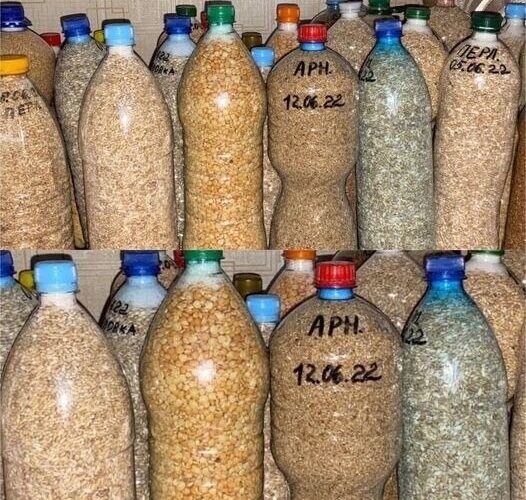
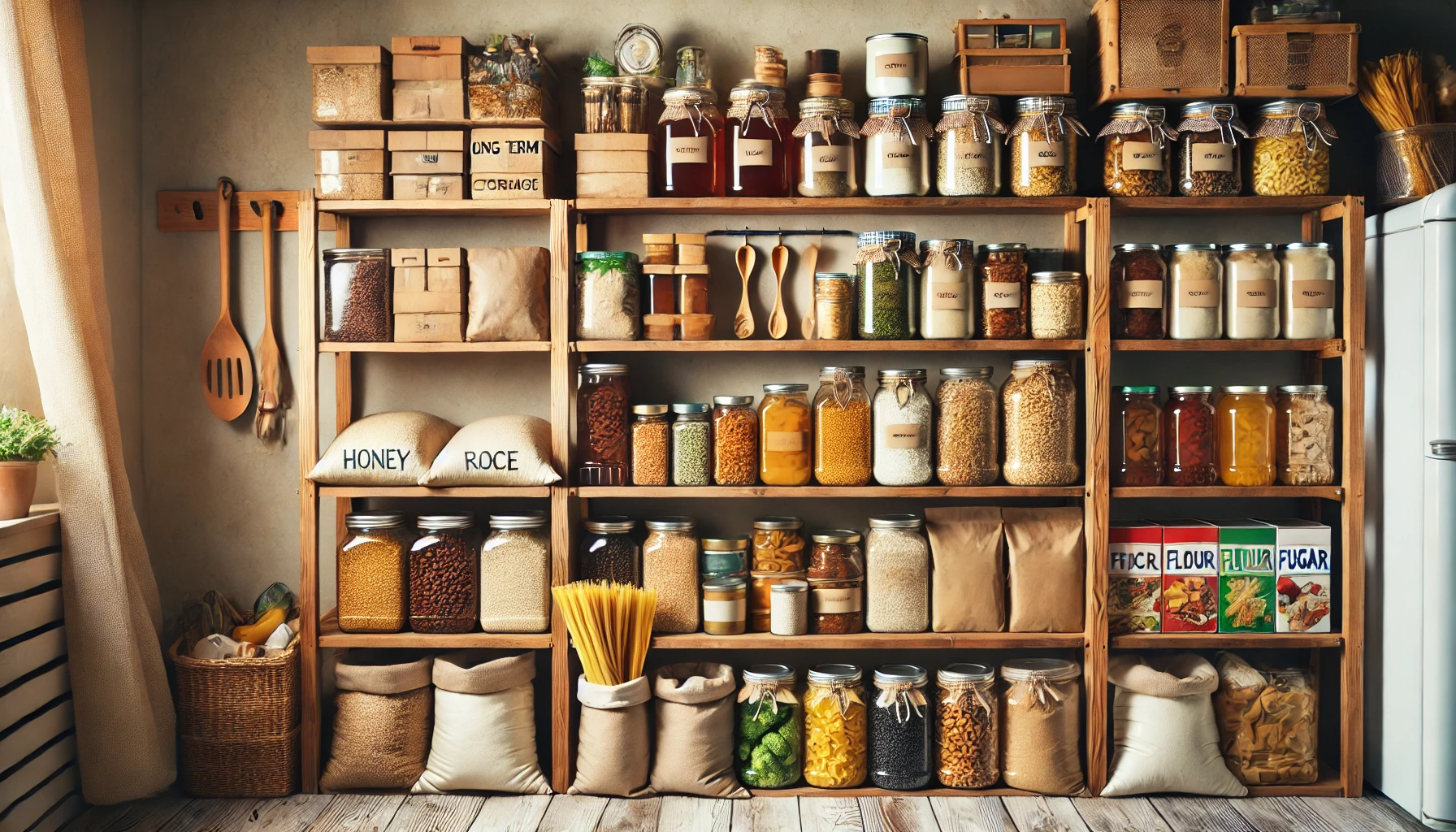
- Airtight containers: Use airtight containers to protect food from moisture, insects, and contaminants.
- Temperature control: Store food in a cool, dark place to prevent spoilage caused by heat or direct sunlight.
- Rotation: Make sure to consume the oldest foods first to keep a fresh inventory.
- Vacuum sealing: If possible, use a vacuum sealer to extend the shelf life of food.
- Labeling: Place labels with storage and expiration dates for easy organization and control.
- Regular check-up: Inspect food regularly for signs of spoilage or infestation.
By following these tips and choosing the right foods, you can ensure a safe and reliable supply of food for years to come. Having a well-stocked pantry not only provides peace of mind, but it’s also an investment in your safety and well-being.