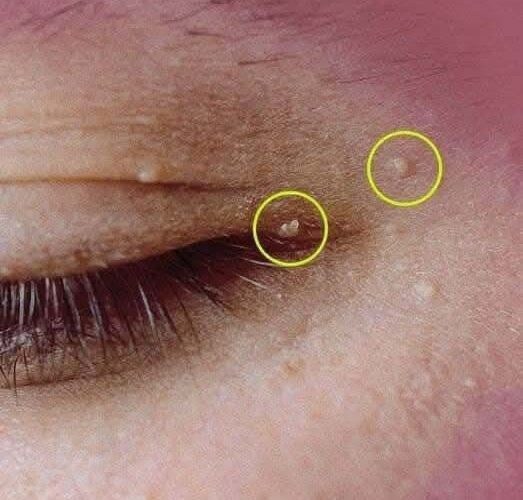
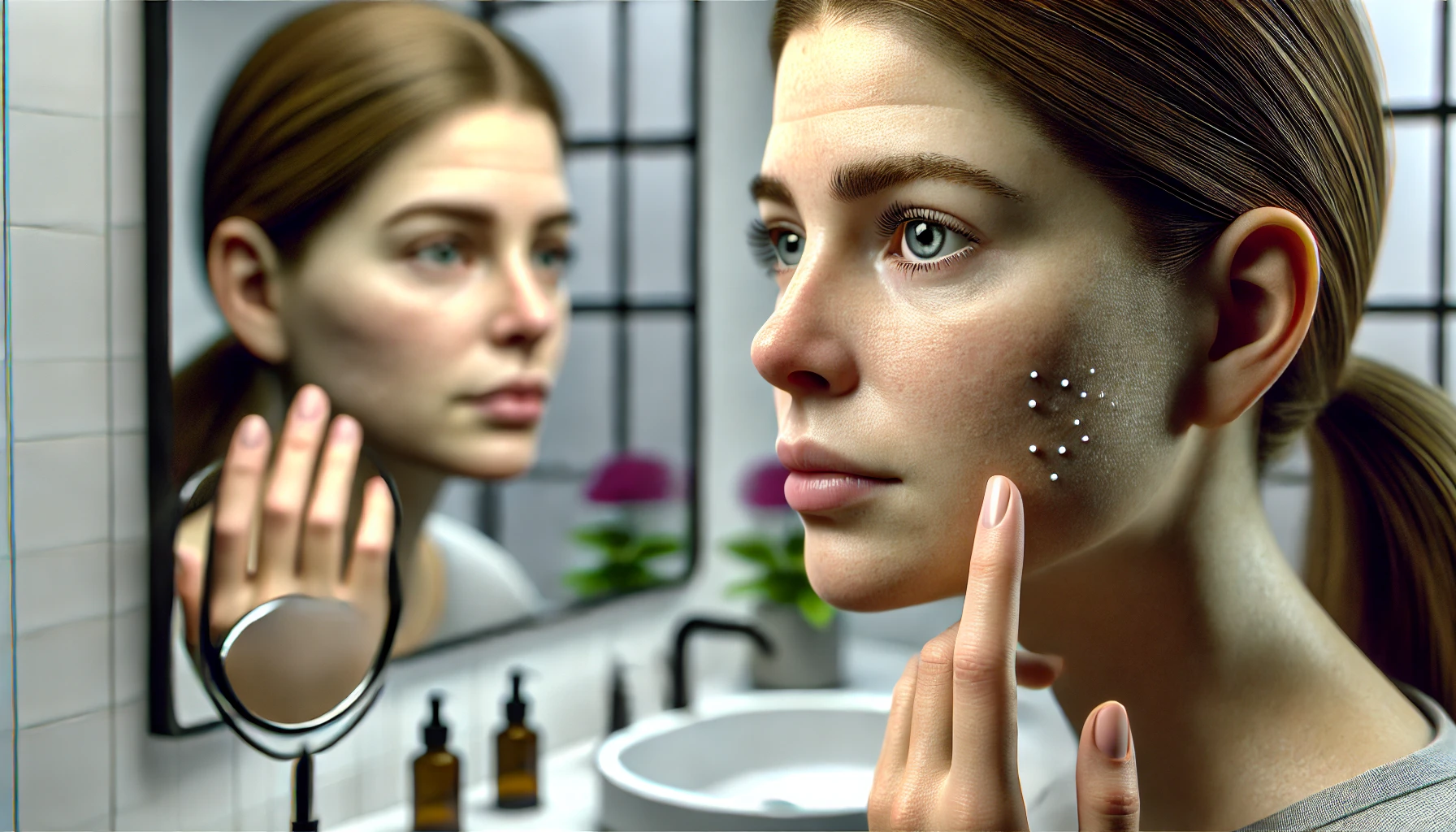
Milium cysts, also known as milium, are small white or yellowish cysts that appear under the surface of the skin. These little lumps of fat are usually not painful or dangerous, but they can be annoying from an aesthetic point of view. Below, we’ll explore what they are, why they appear, and how you can safely delete them.
What are milium cysts?
Milium cysts are collections of keratin trapped under the skin. They usually appear on the face, especially around the eyes, cheeks, and nose, although they can also appear on other parts of the body. These pellets are more common in newborns, but they also affect adults.
Why do milium cysts appear?
There are several reasons why these cysts can appear:
- Clogged pores: Keratin buildup can block hair follicles or sebaceous glands.
- Sun exposure: Sun damage can thicken the skin, making it difficult for dead skin cells to be removed naturally.
- Use of heavy products: Some cosmetic products can contribute to the formation of milium by clogging pores.
- Skin lesions: Scars, burns or irritations can promote their appearance.
How to get rid of milium cysts?
There are several methods to treat milium cysts, but it is important to be careful and avoid trying to remove them without proper knowledge, as this could damage your skin. Here are some options:
- Proper skin cleansing:
- Wash your face daily with a gentle cleanser that won’t clog pores.
- Exfoliate the skin once or twice a week to remove dead skin cells.
- Steam Application:
- The steam helps to open the pores, facilitating the removal of impurities.
- Fill a bowl with hot water, place your face on the steam (at a safe distance), and cover yourself with a towel. Do this for 5-10 minutes.
- Topical Products:
- Creams with salicylic acid, retinoids, or glycolic acid can help reduce milium over time.
- Consult a dermatologist before using these products to make sure they’re suitable for your skin.
- Professional treatment:
- A dermatologist can remove milium cysts safely using sterile tools.
- Other treatments include chemical peels, microdermabrasion, or laser therapy, depending on the case.
What should you not do?
- Never attempt to squeeze or puncture milium cysts with needles or unsterilized objects, as this could cause infection or scarring.
- Avoid using products that are too greasy or heavy that can worsen the condition.
The importance of seeing a doctor
Although milium cysts are usually harmless, it is always advisable to consult a dermatologist before applying any treatment, especially if you have doubts about their origin or if they do not disappear over time. A professional can assess your situation and offer you the best solution to take care of your skin safely.
Remember that every skin is different, and what works for one person may not be right for another. Always prioritize your health and well-being by consulting a specialist before attempting any remedy.