
Whatever its shape: round or elongated, its colour: green, white or purple, the aubergine is one of the most consumed foods in the world. Tasty, this versatile vegetable can be cooked in different forms, according to your desires: salad, gratin, mashed potatoes and even lasagne. However, and although it has few calories, aubergine ends up absorbing a lot of fat during cooking. There you have it, an effective and foolproof tip to remedy this.
Grilled, sautéed or fried, aubergines are a real fatty sponge. Here’s the foolproof trick to rid them of all the fat.
The trick to prevent aubergines from absorbing too much fat
Follower of light and healthy recipes, you mainly opt for healthy and balanced cuisine. So don’t hesitate to favor seasonal vegetables by using them in different ways, both for the preparation of appetizers and dishes. And if there is a vegetable that lends itself to it, it is undoubtedly the aubergine. Moussaka, ratatouille, caponata, lasagne… many dishes whose protagonist are aubergines. However, this vegetable has a big drawback: its pulp absorbs too much fat during cooking . As a result, eggplants end up full of oil, which tends to make your dishes heavier and less tasty in the mouth.
Read also:Asian chefs’ trick to prevent rice from sticking to the pan: perfectly cooked separated grains
But rest assured, there is a trick to prevent the aubergines from absorbing too much oil and becoming too greasy. An advantage if you want to maintain your figure while enjoying the nutritional benefits of this vegetable.
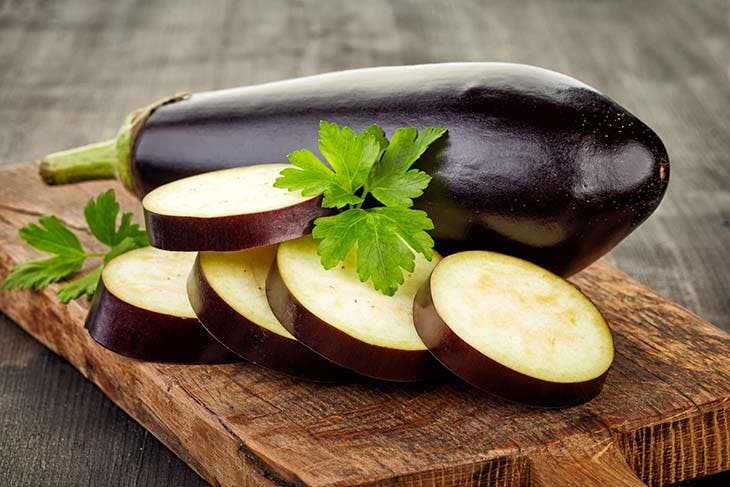
Egg white for less fatty aubergines
Often when you decide to bake a cake or tart, you find yourself having to separate the whites from the yolks. The problem is that you don’t know how to use them later, especially since they don’t keep that long. Since you can’t use them, you are forced to throw them away most of the time. A real waste, especially if you have decided to reduce your food waste as much as possible. But, from now on, you won’t have to get there anymore.
Thanks to simple egg whites you will obtain, after cooking, aubergines delicious and above all less fatty. In fact, by covering your aubergines with egg white, the latter will form a protective layer that will prevent the oil from penetrating the pulp of the aubergines . . a>
How to use egg white on aubergines?
If you still don’t know how to use egg whites to cook your aubergines, here is a fairly simple and quick method that you can adopt whenever you want to prepare a dish based on this healthy vegetable.
- Wash the aubergines by running them under running water;
- Cut them into cubes, rings or slices depending on the dish you intend to prepare;
- Take an egg, divide it and separate the white from the yolk;
- Whisk the egg white vigorously in the bowl;
- Lightly brush the aubergines with egg white using a pastry brush;
- Place your aubergines in a pan, accompanying them with a light drizzle of vegetable oil to cook them.
Now you will no longer have to worry about excess fat covering your aubergines, even if you decide to immerse them in boiling oil to cook them.
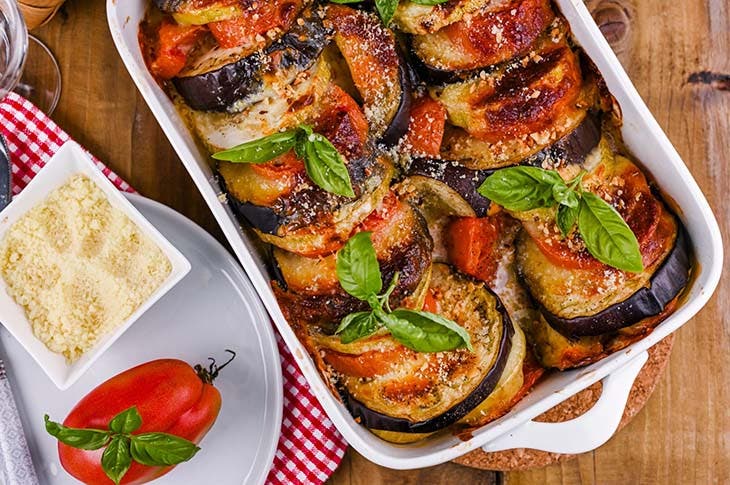
Milk and a pinch of coarse salt for less bitter aubergines
There is a method to prevent your eggplants from retaining their bitter taste after cooking. Take the aubergines that you have cut into thick slices, then immerse them in a mixture of milk and coarse salt for about 3 hours. After three hours, let them drain naturally using a colander or using absorbent paper to dry them more quickly.
Read also: Sprouted potatoes: can we eat them?
This technique will not only eliminate all the water that aids in the absorption of the oil during cooking, but also to drain the aubergines .
Thanks to this trick you will be able to give free rein to your greediness but above all you will no longer have any excuses for not eating aubergines in the future, regardless of their cooking method.
Read also: The trick to making delicious chips in the microwave: a surprise ingredient makes the difference