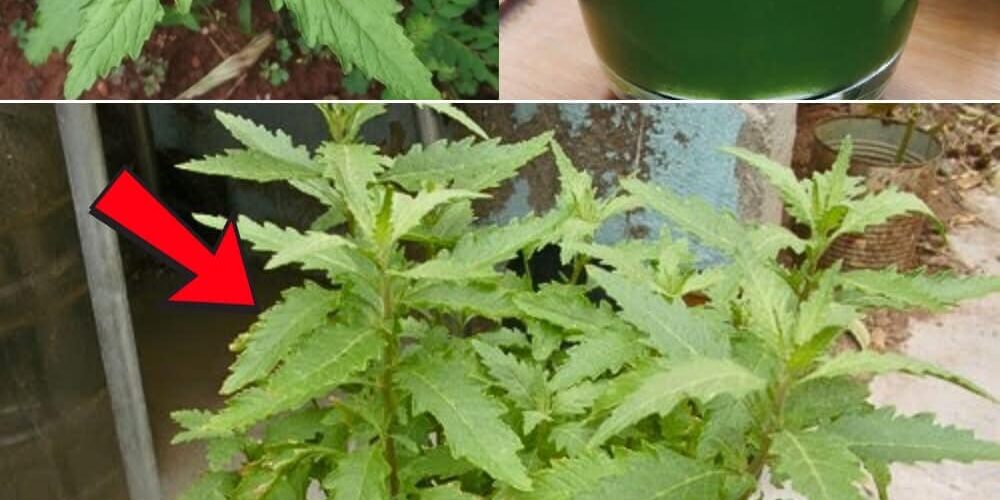
Epazote is a plant that’s often overlooked outside of its native regions, but it’s a true treasure for both health and culinary purposes. Not only will you learn about its medicinal benefits, but also its incredible applications in the kitchen. For centuries, this herb has been used in traditional dishes, particularly in Mexican cuisine, where it brings a unique flavor profile and offers health benefits that you might not be familiar with.
The Medicinal Benefits of Epazote
Epazote is more than just a culinary herb; it has a rich history of medicinal use. Traditionally, it’s been used to treat a variety of ailments, particularly digestive issues. One of its most well-known uses is in alleviating symptoms of indigestion and bloating. Many people add it to beans and legumes in cooking because it helps reduce the uncomfortable gas that can be produced from these foods.
In addition to its digestive properties, epazote is also known for its ability to act as a mild analgesic (pain reliever) and an anti-inflammatory agent. It’s often used to soothe menstrual cramps, ease headaches, and even as a remedy for anxiety. It’s also considered to have antimicrobial properties, making it a helpful herb for fighting off infections.
While epazote’s medicinal properties are vast, it should be noted that it should be used in moderation. In larger quantities, epazote can be toxic, so it’s essential to be aware of its proper use and dosage.
Epazote in the Kitchen: A Flavorful Addition
Beyond its medicinal uses, epazote shines as an ingredient in cooking. This herb is often used in Mexican and Central American dishes to add a distinctive flavor. Its taste is bold and unique, often described as a combination of savory, citrusy, and earthy notes. It has a strong aroma that can be overwhelming to some, but when used correctly, it adds depth to a dish that is unmatched by other herbs.
Epazote is commonly added to beans, soups, and stews, as its digestive benefits help offset the gas-causing effects of beans. It’s also a fantastic addition to tamales, quesadillas, and even salsas. The herb can be used fresh or dried, but fresh epazote is often preferred for its bright, vibrant flavor.
One traditional Mexican dish that often features epazote is “frijoles de la olla”, or simple boiled beans. A sprig of epazote is added during cooking to help neutralize the gassy effects of beans, while infusing the broth with a unique, savory flavor. Another classic recipe is “quesadillas de epazote”, where the herb is paired with cheese and stuffed in tortillas for a fragrant, flavorful meal.
Cooking with Epazote: Tips and Tricks
If you’re new to cooking with epazote, it’s important to use it sparingly. A little goes a long way, as the flavor is quite strong. Here are some tips for incorporating epazote into your meals:
- Beans: Add a sprig of epazote to your pot of beans while they cook. It will enhance the flavor and make the beans easier to digest.
- Soups and Stews: Add fresh or dried epazote to your soups, especially those with beans or root vegetables, for an earthy depth of flavor.
- Tacos and Tamales: Epazote pairs beautifully with cheese and meats. Use it to season tacos or tamales for a burst of authentic flavor.
- Herbal Teas: You can even brew epazote as a tea to take advantage of its digestive benefits. Simply steep a few leaves in hot water for a calming, medicinal drink.
The Bottom Line: Why You Should Embrace Epazote
Epazote is one of those herbs that many people have yet to discover, but it holds so much potential for both your health and your culinary adventures. Its digestive benefits alone make it worth adding to your diet, and when used in the right dishes, it can elevate your cooking to new heights. If you enjoy exploring different flavors and enhancing your meals with natural ingredients, epazote should definitely be on your radar.
Spread the Word
If you found this information about epazote interesting and helpful, don’t forget to share this post with your friends and family! Let them know about the health benefits and unique flavor of epazote, and inspire them to try it in their next meal. Don’t forget to like the post and spread the knowledge. The more we share, the more we can all discover the wonders of this incredible herb!